In "Critique of the Gotha Programme," Karl Marx delivers a profound analysis of the political program proposed by the German Workers' Party in 1875. The text is an incisive examination of the limitations of the bourgeois approach to socialism, articulated through a combination of rigorous dialectical reasoning and passionate critique. Marx adeptly addresses fundamental questions about labor, distribution, and the nature of class struggle within a capitalistic framework. The style is both accessible and deeply philosophical, reflecting his intent to forge a theoretical foundation that aligns with the revolutionary goals of the proletariat while critiquing opportunism within the socialist movement. Karl Marx, one of the most influential figures in political philosophy and economic theory, wrote this text in the context of his lifelong commitment to the working-class struggle against exploitation. His experiences in the tumultuous socio-economic climate of 19th-century Europe, marked by burgeoning industrialization and profound class disparities, shaped his critique of the Gotha Programme as a call for a more rigorous and principled socialist practice. I recommend "Critique of the Gotha Programme" not only as a vital historic document but also as an essential reading for contemporary thinkers and activists. By engaging with Marx's arguments, readers will gain critical insights into the ever-relevant discourse on socialism, communism, and the dynamics of class politics.


Diferencia entre la filosofía de la naturaleza en Demócrito y en Epicuro : La tesis de Marx: una mirada griega para pensar el mundo moderno

Manifesto of the Communist Party
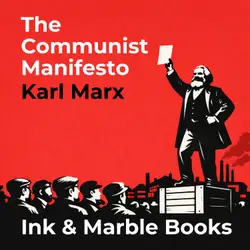
The Communist Manifesto
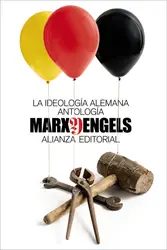
La ideología alemana (Antología)

Das Kapital : "Hayatı ve Das Kapital Üzerine Bir İnceleme"

The Communist Manifesto

The Communist Manifesto : Karl Marx & Friedrich Engels' Revolutionary Call

The Communist Manifesto : A Landmark in Political Theory and Global Social Movements
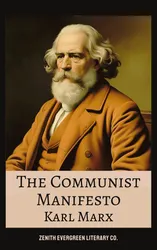
The Communist Manifesto : A Groundbreaking Vision of Class Struggle and Revolutionary Change

El capital: crítica de la economía política, tomo I, libro I : El proceso de producción del capital

The Communist Manifesto : Rediscover Revolutionary Ideas
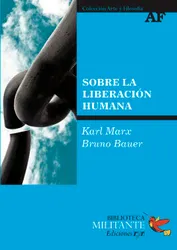
Sobre la liberación humana
Critique of the Gotha Programme
Critique of the Gotha Programme
Skrevet af Karl Marx
Diferencia entre la filosofía de la naturaleza en Demócrito y en Epicuro : La tesis de Marx: una mirada griega para pensar el mundo moderno
Manifesto of the Communist Party
The Communist Manifesto
La ideología alemana (Antología)
Das Kapital : "Hayatı ve Das Kapital Üzerine Bir İnceleme"
The Communist Manifesto
The Communist Manifesto : Karl Marx & Friedrich Engels' Revolutionary Call
The Communist Manifesto : A Landmark in Political Theory and Global Social Movements
The Communist Manifesto : A Groundbreaking Vision of Class Struggle and Revolutionary Change
El capital: crítica de la economía política, tomo I, libro I : El proceso de producción del capital
The Communist Manifesto : Rediscover Revolutionary Ideas
Sobre la liberación humana
Om denne bog
In "Critique of the Gotha Programme," Karl Marx delivers a profound analysis of the political program proposed by the German Workers' Party in 1875. The text is an incisive examination of the limitations of the bourgeois approach to socialism, articulated through a combination of rigorous dialectical reasoning and passionate critique. Marx adeptly addresses fundamental questions about labor, distribution, and the nature of class struggle within a capitalistic framework. The style is both accessible and deeply philosophical, reflecting his intent to forge a theoretical foundation that aligns with the revolutionary goals of the proletariat while critiquing opportunism within the socialist movement. Karl Marx, one of the most influential figures in political philosophy and economic theory, wrote this text in the context of his lifelong commitment to the working-class struggle against exploitation. His experiences in the tumultuous socio-economic climate of 19th-century Europe, marked by burgeoning industrialization and profound class disparities, shaped his critique of the Gotha Programme as a call for a more rigorous and principled socialist practice. I recommend "Critique of the Gotha Programme" not only as a vital historic document but also as an essential reading for contemporary thinkers and activists. By engaging with Marx's arguments, readers will gain critical insights into the ever-relevant discourse on socialism, communism, and the dynamics of class politics.