4.2(25)

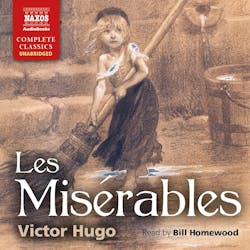
Les Misérables

Victor Hugo's "Les Misérables" is a monumental exploration of justice, redemption, and the human condition, set against the backdrop of early 19th-century France. Through its intricate narrative, featuring vivid characters such as Jean Valjean, Javert, and Fantine, the novel employs a rich, emotive literary style that deftly blends melodrama with philosophical introspection. This epic work is not only a gripping tale of suffering and resilience but also a profound social commentary, reflective of the tumultuous political landscape and class struggles of its era, serving as a harbinger for later humanitarian movements. Victor Hugo, a titan of French literature and a vocal advocate for social reform, crafted this masterpiece during a period of deep personal and political upheaval. His experiences with poverty, exile, and political injustice greatly influenced his writing. Amidst his literary pursuits, Hugo sought to awaken the conscience of society, and "Les Misérables" epitomizes this mission, intertwining personal tragedy with broader social critique, capturing the zeitgeist of his time. To readers seeking a transformative literary experience, "Les Misérables" is an essential narrative that transcends time and geography. It invites reflection on the inherent dignity of all individuals, challenging societal norms and moral conventions. This novel not only captivates with its storytelling but also serves as a catalyst for empathy and understanding, making it a timeless classic worthy of exploration.


Om denne bog

Victor Hugo's "Les Misérables" is a monumental exploration of justice, redemption, and the human condition, set against the backdrop of early 19th-century France. Through its intricate narrative, featuring vivid characters such as Jean Valjean, Javert, and Fantine, the novel employs a rich, emotive literary style that deftly blends melodrama with philosophical introspection. This epic work is not only a gripping tale of suffering and resilience but also a profound social commentary, reflective of the tumultuous political landscape and class struggles of its era, serving as a harbinger for later humanitarian movements. Victor Hugo, a titan of French literature and a vocal advocate for social reform, crafted this masterpiece during a period of deep personal and political upheaval. His experiences with poverty, exile, and political injustice greatly influenced his writing. Amidst his literary pursuits, Hugo sought to awaken the conscience of society, and "Les Misérables" epitomizes this mission, intertwining personal tragedy with broader social critique, capturing the zeitgeist of his time. To readers seeking a transformative literary experience, "Les Misérables" is an essential narrative that transcends time and geography. It invites reflection on the inherent dignity of all individuals, challenging societal norms and moral conventions. This novel not only captivates with its storytelling but also serves as a catalyst for empathy and understanding, making it a timeless classic worthy of exploration.

Kom i gang med denne bog i dag for 0 kr.

  • Få fuld adgang til alle bøger i appen i prøveperioden
  • Ingen forpligtelser, opsiges når som helst
Prøv gratis nu
Mere end 52.000 mennesker har givet Nextory fem stjerner i App Store og Google Play.