

eller

Find en historie med det samme

Spring listen over
  1. 3.5

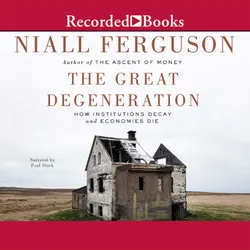
    The Great Degeneration: How Institutions Decay and Economics Die

    Niall Ferguson

  2. 4.0

    Om historien

    Maurizio Viroli, Cory J. Clark, Janne Haaland Matláry, Vernon Bogdanor, Michael Burleigh, Erica Benner, Nathan Shachar, Rob Johnson, Brendan Simms, Emma Sky, Elisabeth Kendall, Josef Joffe, Peter Ricketts, Karin Svanborg-Sjövall, Fraser Nelson, Gudrun Persson, Andrew Monaghan, Calder Walton, Christopher Coker, Iain Martin, Niall Ferguson, Jonathan Fenby, Rana Mitter, Yu Jie, John Bew, Philip Bobbit, Kori Schake

  3. 4.7

    Past and present

    Brendan Simms, Peter Ricketts, Gudrun Persson, Fraser Nelson, Andrew Monaghan, Rana Mitter, Iain Martin, Elisabeth Kendall, Rob Johnson, Josef Joffe, Janne Haaland Matláry, Niall Ferguson, Jonathan Fenby, Christopher Coker, Cory J. Clark, Michael Burleigh, Vernon Bogdanor, Phillip Bobbitt, John Bew, Erica Benner

  4. 4.3

    Inside the House of Money, Revised and Updated : Top Hedge Fund Traders on Profiting in the Global Markets

    Steven Drobny, Niall Ferguson

  5. 3.0

    The Great Degeneration

    Niall Ferguson

  6. 5.0

    The History of the Medieval World : From the Conversion of Constantine to the First Crusade

    Susan Wise Bauer

  7. 4.5

    Chip War : The Fight for the World's Most Critical Technology

    Chris Miller

  8. 4.4

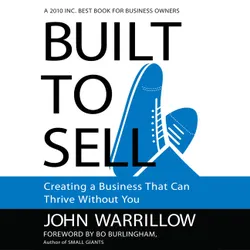
    Built to Sell : Creating a Business That Can Thrive Without You

    John Warrillow

  9. 4.4

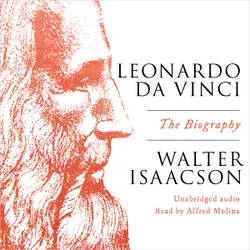
    Leonardo Da Vinci

    Walter Isaacson

  10. 4.5

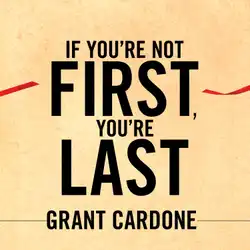
    If You're Not First, You're Last : Sales Strategies to Dominate Your Market and Beat Your Competition

    Grant Cardone

  11. 4.1

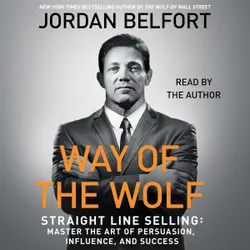
    The Way of the Wolf: Straight Line Selling: Master the Art of Persuasion, Influence, and Success

    Jordan Belfort

  12. 4.4

    Be Obsessed Or Be Average

    Grant Cardone

4.0(6)

The Ascent of Money : A Financial History of the World

Bread, cash, dough, loot, moolah, readies, the wherewithal: Call it what you like, it matters. To Christians, love of it is the root of all evil. To generals, it's the sinews of war. To revolutionaries, it's the chains of labor. But in The Ascent of Money, Niall Ferguson shows that finance is, in fact, the foundation of human progress. What's more, he reveals financial history as the essential back story behind all history.

Through Ferguson's expert lens, familiar historical landmarks appear in a new and sharper financial focus. Suddenly, the civilization of the Renaissance looks very different: a boom in the market for art and architecture made possible when Italian bankers adopted Arabic mathematics. The rise of the Dutch republic is reinterpreted as the triumph of the world's first modern bond market over insolvent Habsburg absolutism. And the origins of the French Revolution are traced back to a stock market bubble caused by a convicted Scot murderer.

With the clarity and verve for which he is known, Ferguson elucidates key financial institutions and concepts by showing where they came from. What is money? What do banks do? What's the difference between a stock and a bond? Why buy insurance or real estate? And what exactly does a hedge fund do?

This is history for the present. Ferguson travels to post-Katrina New Orleans to ask why the free market can't provide adequate protection against catastrophe. He also delves into the origins of the subprime mortgage crisis.

Perhaps most important, The Ascent of Money documents how a new financial revolution is propelling the world's biggest countries, India and China, from poverty to wealth in the space of a single generation—an economic transformation unprecedented in human history.

Yet the central lesson of the financial history is that sooner or later every bubble bursts—sooner or later the bearish sellers outnumber the bullish buyers; and sooner or later greed flips into fear. And that is why, whether you're scraping by or rolling in it, there's never been a better time to understand the ascent of money.


eller

Find en historie med det samme

Spring listen over
  1. 3.5

    The Great Degeneration: How Institutions Decay and Economics Die

    Niall Ferguson

  2. 4.0

    Om historien

    Maurizio Viroli, Cory J. Clark, Janne Haaland Matláry, Vernon Bogdanor, Michael Burleigh, Erica Benner, Nathan Shachar, Rob Johnson, Brendan Simms, Emma Sky, Elisabeth Kendall, Josef Joffe, Peter Ricketts, Karin Svanborg-Sjövall, Fraser Nelson, Gudrun Persson, Andrew Monaghan, Calder Walton, Christopher Coker, Iain Martin, Niall Ferguson, Jonathan Fenby, Rana Mitter, Yu Jie, John Bew, Philip Bobbit, Kori Schake

  3. 4.7

    Past and present

    Brendan Simms, Peter Ricketts, Gudrun Persson, Fraser Nelson, Andrew Monaghan, Rana Mitter, Iain Martin, Elisabeth Kendall, Rob Johnson, Josef Joffe, Janne Haaland Matláry, Niall Ferguson, Jonathan Fenby, Christopher Coker, Cory J. Clark, Michael Burleigh, Vernon Bogdanor, Phillip Bobbitt, John Bew, Erica Benner

  4. 4.3

    Inside the House of Money, Revised and Updated : Top Hedge Fund Traders on Profiting in the Global Markets

    Steven Drobny, Niall Ferguson

  5. 3.0

    The Great Degeneration

    Niall Ferguson

  6. 5.0

    The History of the Medieval World : From the Conversion of Constantine to the First Crusade

    Susan Wise Bauer

  7. 4.5

    Chip War : The Fight for the World's Most Critical Technology

    Chris Miller

  8. 4.4

    Built to Sell : Creating a Business That Can Thrive Without You

    John Warrillow

  9. 4.4

    Leonardo Da Vinci

    Walter Isaacson

  10. 4.5

    If You're Not First, You're Last : Sales Strategies to Dominate Your Market and Beat Your Competition

    Grant Cardone

  11. 4.1

    The Way of the Wolf: Straight Line Selling: Master the Art of Persuasion, Influence, and Success

    Jordan Belfort

  12. 4.4

    Be Obsessed Or Be Average

    Grant Cardone

Om denne bog

Bread, cash, dough, loot, moolah, readies, the wherewithal: Call it what you like, it matters. To Christians, love of it is the root of all evil. To generals, it's the sinews of war. To revolutionaries, it's the chains of labor. But in The Ascent of Money, Niall Ferguson shows that finance is, in fact, the foundation of human progress. What's more, he reveals financial history as the essential back story behind all history.

Through Ferguson's expert lens, familiar historical landmarks appear in a new and sharper financial focus. Suddenly, the civilization of the Renaissance looks very different: a boom in the market for art and architecture made possible when Italian bankers adopted Arabic mathematics. The rise of the Dutch republic is reinterpreted as the triumph of the world's first modern bond market over insolvent Habsburg absolutism. And the origins of the French Revolution are traced back to a stock market bubble caused by a convicted Scot murderer.

With the clarity and verve for which he is known, Ferguson elucidates key financial institutions and concepts by showing where they came from. What is money? What do banks do? What's the difference between a stock and a bond? Why buy insurance or real estate? And what exactly does a hedge fund do?

This is history for the present. Ferguson travels to post-Katrina New Orleans to ask why the free market can't provide adequate protection against catastrophe. He also delves into the origins of the subprime mortgage crisis.

Perhaps most important, The Ascent of Money documents how a new financial revolution is propelling the world's biggest countries, India and China, from poverty to wealth in the space of a single generation—an economic transformation unprecedented in human history.

Yet the central lesson of the financial history is that sooner or later every bubble bursts—sooner or later the bearish sellers outnumber the bullish buyers; and sooner or later greed flips into fear. And that is why, whether you're scraping by or rolling in it, there's never been a better time to understand the ascent of money.