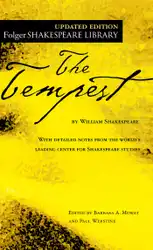
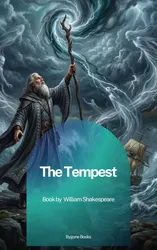
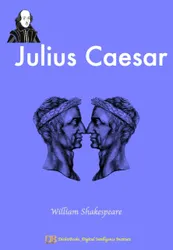
William Shakespeare's "The Tempest" stands as a quintessential exploration of themes such as power, betrayal, redemption, and the human capacity for forgiveness. Set on a remote island, the play weaves a rich tapestry of supernatural elements and intricate character dynamics, embodying Shakespeare's signature blend of poetic dialogue and profound insights into human nature. The narrative centers around Prospero, a wronged Duke who wields magic to navigate his quest for justice, encapsulating the transitional period of the early 17th century—marked by a burgeoning interest in exploration and the complexity of colonial encounters. Shakespeare, often hailed as the greatest playwright in the English language, drew from his own experiences and the contemporary socio-political landscape of England, influenced perhaps by the age's fascination with the New World and the nature of sovereignty. His intimate understanding of human psyche and societal structures enriches "The Tempest," allowing for multiple interpretations, from a post-colonial lens to a philosophical inquiry into agency and free will. Highly recommended for readers and scholars alike, "The Tempest" offers a deep philosophical reflection on the interplay between man and nature, as well as personal and collective transformation. Its layers of meaning ensure that it remains perpetually relevant, inviting the audience to engage with its enchanting narrative and the weighty moral questions it raises.
Vurdering: 3.8 ud af 5, baseret på 4 anmeldelser3.8(4)
William Shakespeare's "The Tempest" stands as a quintessential exploration of themes such as power, betrayal, redemption, and the human capacity for forgiveness. Set on a remote island, the play weaves a rich tapestry of supernatural elements and intricate character dynamics, embodying Shakespeare's signature blend of poetic dialogue and profound insights into human nature. The narrative centers around Prospero, a wronged Duke who wields magic to navigate his quest for justice, encapsulating the transitional period of the early 17th century—marked by a burgeoning interest in exploration and the complexity of colonial encounters. Shakespeare, often hailed as the greatest playwright in the English language, drew from his own experiences and the contemporary socio-political landscape of England, influenced perhaps by the age's fascination with the New World and the nature of sovereignty. His intimate understanding of human psyche and societal structures enriches "The Tempest," allowing for multiple interpretations, from a post-colonial lens to a philosophical inquiry into agency and free will. Highly recommended for readers and scholars alike, "The Tempest" offers a deep philosophical reflection on the interplay between man and nature, as well as personal and collective transformation. Its layers of meaning ensure that it remains perpetually relevant, inviting the audience to engage with its enchanting narrative and the weighty moral questions it raises.
Kom i gang med denne bog i dag for 0 kr.
Få fuld adgang til alle bøger i appen i prøveperioden
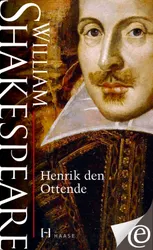
William Shakespeare (1564-1616) var engelsk digter og dramatiker.
Da han ikke var så kendt i sin samtid, ved man ikke meget om hans opvækst. Han fødtes og døde i byen Stratford-upon-Avon og var gift med den 8 år ældre Anne Hathaway med hvem han havde tre børn. Han ernærede sig først som skuespiller, siden som manuskriptforfatter og instruktør, og var ved sin død en velhavende mand.
Shakespeare er en af de helt store skikkelser i litteraturhistorien, og hans teaterstykker er verdensberømte. Hans popularitet skyldes især hans forståelse for den menneskelige psyke, som ses i de nuancerede personportrætter, og hans evne til at skrive i flere genrer - og blande dem sammen.
Læs mere om William Shakespeare hos Den Store Danske.