Sobre este libro

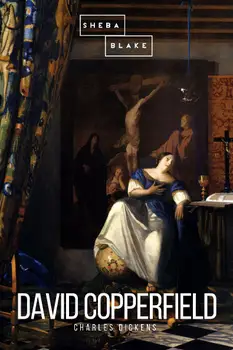
David Copperfield is the eighth novel by Charles Dickens. Many elements of the novel follow events in Dickens' own life, and it is often considered as his veiled autobiography. It was Dickens' favorite among his own novels. In the preface to the 1867 edition, Dickens wrote, "like many fond parents, I have in my heart of hearts a favourite child. And his name is David Copperfield." The story follows the life of David Copperfield from childhood to maturity. David was born in Blunderstone, Suffolk, England, six months after the death of his father. David spends his early years in relative happiness with his loving, childish mother and their kindly housekeeper, Peggotty. When he is seven years old his mother marries Edward Murdstone. During the marriage, partly to get him out of the way and partly because he strongly objects to the whole proceeding, David is sent to lodge with Peggotty's family in Yarmouth. Her brother, fisherman Mr Peggotty, lives in a house built in an upturned boat on the beach, with his adopted relatives Emily and Ham, and an elderly widow, Mrs Gummidge. "Little Em'ly" is somewhat spoilt by her fond foster father, and David is in love with her. On his return, David is given good reason to dislike his stepfather and has similar feelings for Murdstone's sister Jane, who moves into the house soon afterwards. Between them they tyrannise his poor mother, making her and David's lives miserable, and when, in consequence, David falls behind in his studies, Murdstone attempts to thrash him - partly to further pain his mother. David bites him and soon afterwards is sent away to a boarding school, Salem House, under a ruthless headmaster, Mr. Creakle. There he befriends an older boy, James Steerforth, and Tommy Traddles. He develops an impassioned admiration for Steerforth, perceiving him as something noble, who could do great things if he would.
Empieza este libro hoy por 0 €

  • Disfruta de acceso completo a todos los libros de la app durante el periodo de prueba
  • Sin compromiso, cancela cuando quieras
Pruébalo gratis ahora
Más de 52 000 clientes han dado a Nextory 5 estrellas en la App Store y Google Play.

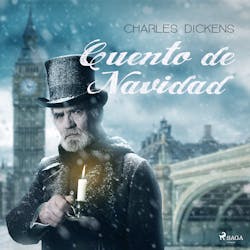
  1. 4.3

    Cuento de navidad

    Charles Dickens

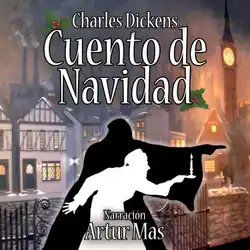
  2. 4.3

    Cuento de Navidad

    Charles Dickens

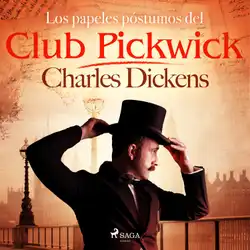
  3. 4.7

    Los papeles póstumos del Club Pickwick

    Charles Dickens

  4. 100 obras maestras que debes leer antes de morir

    Francis Scott Fitzgerald, Mary Shelley, Lyman Frank Baum, Edith Nesbit, Dante Alighieri, Jane Austen, Ambrose Bierce, Emily Brontë, Edgar Rice Burroughs, Lewis Carroll, Wilkie Collins, René Descartes, Charles Dickens, Emily Dickinson, Alexandre Dumas, Gustave Flaubert, Benito Pérez Galdós, Johann Wolfgang Goethe, Thomas Hardy, E. T. Hoffmann, Washington Irving, Henry James, James Joyce, Franz Kafka, Gaston Leroux, Federico García Lorca, H.P. Lovecraft, Publio Virgilio Marón, Lucy Maud Montgomery, John William Polidori, Marco Polo, Antoine de Saint-Exupéry, Emilio Salgari, Walter Scott, Mark Twain, Jules Verne

  5. 100 Obras Maestras Que Debes Leer Antes De Morir

    Francis Scott Fitzgerald, Mary Shelley, Lyman Frank Baum, Edith Nesbit, Dante Alighieri, Jane Austen, Ambrose Bierce, Emily Brontë, Edgar Rice Burroughs, Lewis Carroll, Wilkie Collins, René Descartes, Charles Dickens, Emily Dickinson, Alexandre Dumas, Gustave Flaubert, Benito Pérez Galdós, Johann Wolfgang von Goethe, Thomas Hardy, E T A Hoffmann, Washington Irving, Henry James, James Joyce, Franz Kafka, Gaston Leroux, Federico García Lorca, H.P. Lovecraft, Publio Virgilio Marón, Lucy Maud Montgomery, John William Polidori, Marco Polo, Antoine de Saint-Exupéry, Emilio Salgari, Walter Scott, Mark Twain, Jules Verne, H.G. Wells, Edith Wharton, Mary Wollstonecraft, Fernando de Rojas

  6. 3.8

    Historia de dos ciudades

    Charles Dickens

  7. 4.2

    Canción de Navidad

    Charles Dickens

  8. 4.5

    Grandes Esperanzas :

    Charles Dickens

  9. 100 Clásicos de la Literatura

    Francis Scott Fitzgerald, Mary Shelley, Lyman Frank Baum, Louisa May Alcott, Dante Alighieri, Jane Austen, Ambrose Bierce, Emily Brontë, Edgar Rice Burroughs, Lewis Carroll, Wilkie Collins, René Descartes, Charles Dickens, Emily Dickinson, Alexandre Dumas, Gustave Flaubert, Benito Pérez Galdós, Johann Wolfgang von Goethe, Thomas Hardy, E T A Hoffmann, Washington Irving, Henry James, James Joyce, Franz Kafka, Gaston Leroux, Federico García Lorca, H.P. Lovecraft, Publio Virgilio Marón, Lucy Maud Montgomery, John William Polidori, Marco Polo, Antoine de Saint-Exupéry, Emilio Salgari, Walter Scott, Mark Twain, Jules Verne, H.G. Wells, Edith Wharton, Mary Wollstonecraft, Fernando de Rojas

  10. 100 Clásicos de la Literatura Universal

    Francis Scott Fitzgerald, Mary Shelley, Lyman Frank Baum, Louisa May Alcott, Dante Alighieri, Jane Austen, Ambrose Bierce, Emily Brontë, Edgar Rice Burroughs, Lewis Carroll, Wilkie Collins, René Descartes, Charles Dickens, Emily Dickinson, Alexandre Dumas, Gustave Flaubert, Benito Pérez Galdós, Johann Wolfgang von Goethe, Thomas Hardy, E T A Hoffmann, Washington Irving, Henry James, James Joyce, Franz Kafka, Gaston Leroux, Federico García Lorca, H.P. Lovecraft, Publio Virgilio Marón, Lucy Maud Montgomery, John William Polidori, Marco Polo, Antoine de Saint-Exupéry, Emilio Salgari, Walter Scott, Mark Twain, Jules Verne, Julio Verne, H.G. Wells, Edith Wharton, Mary Wollstonecraft, Stefan Zweig, Sun Tzu, Bram Stoker, - Aristoteles, George Bernard Shaw, Henryk Sienkiewicz, Concepción Arenal, Charlotte Brontë, Miguel de Cervantes, G.K. Chesterton, Daniel Defoe, Fyodor Mikhailovich Dostoyevsky, Arthur Conan Doyle, Sigmund Freud, H. Rider Haggard, Homero, Immanuel Kant, Rudyard Kipling, Molière, Friedrich Nietzsche, Fernando de Rojas, Sófocles, William Makepeace Thackeray, León Tolstói, Voltaire, Ramón María del Valle-Inclán, Oscar Wilde, Virginia Woolf

  11. Nuevo

    El Misterio de Edwin Drood

    Charles Dickens

  12. 4.7

    Nicholas Nickleby

    Charles Dickens