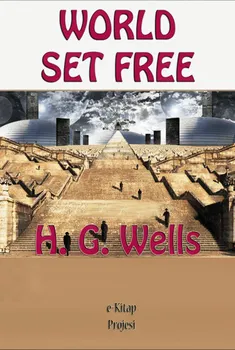
The World Set Free

THE WORLD SET FREE was written in 1913 and published early in 1914, and it is the latest of a series of three fantasias of possibility, stories which all turn on the possible developments in the future of some contemporary force or group of forces. The World Set Free was written under the immediate shadow of the Great War. Every intelligent person in the world felt that disaster was impending and knew no way of averting it, but few of us realised in the earlier half of 1914 how near the crash was to us. The reader will be amused to find that here it is put off until the year 1956. He may naturally want to know the reason for what will seem now a quite extraordinary delay. As a prophet, the author must confess he has always been inclined to be rather a slow prophet.

The war aeroplane in the world of reality, for example, beat the forecast in Anticipations by about twenty years or so. I suppose a desire not to shock the sceptical reader's sense of use and wont and perhaps a less creditable disposition to hedge, have something to do with this dating forward of one's main events, but in the particular case of The World Set Free there was, I think, another motive in holding the Great War back, and that was to allow the chemist to get well forward with his discovery of the release of atomic energy. 1956—or for that matter 2056—may be none too late for that crowning revolution in human potentialities. And apart from this procrastination of over forty years, the guess at the opening phase of the war was fairly lucky; the forecast of an alliance of the Central Empires, the opening campaign through the Netherlands, and the despatch of the British Expeditionary Force were all justified before the book had been published six months. And the opening section of Chapter the Second remains now, after the reality has happened, a fairly adequate diagnosis of the essentials of the matter. One happy hit (in Chapter the Second, Section 2), on which the writer may congratulate himself, is the forecast that under modern conditions it would be quite impossible for any great general to emerge to supremacy and concentrate the enthusiasm of the armies of either side.

There could be no Alexanders or Napoleons. And we soon heard the scientific corps muttering, 'These old fools,' exactly as it is here foretold.

These, however, are small details, and the misses in the story far outnumber the hits. It is the main thesis which is still of interest now; the thesis that because of the development of scientific knowledge, separate sovereign states and separate sovereign empires are no longer possible in the world, that to attempt to keep on with the old system is to heap disaster upon disaster for mankind and perhaps to destroy our race altogether. The remaining interest of this book now is the sustained validity of this thesis and the discussion of the possible ending of war on the earth.

Sobre este libro

THE WORLD SET FREE was written in 1913 and published early in 1914, and it is the latest of a series of three fantasias of possibility, stories which all turn on the possible developments in the future of some contemporary force or group of forces. The World Set Free was written under the immediate shadow of the Great War. Every intelligent person in the world felt that disaster was impending and knew no way of averting it, but few of us realised in the earlier half of 1914 how near the crash was to us. The reader will be amused to find that here it is put off until the year 1956. He may naturally want to know the reason for what will seem now a quite extraordinary delay. As a prophet, the author must confess he has always been inclined to be rather a slow prophet.

The war aeroplane in the world of reality, for example, beat the forecast in Anticipations by about twenty years or so. I suppose a desire not to shock the sceptical reader's sense of use and wont and perhaps a less creditable disposition to hedge, have something to do with this dating forward of one's main events, but in the particular case of The World Set Free there was, I think, another motive in holding the Great War back, and that was to allow the chemist to get well forward with his discovery of the release of atomic energy. 1956—or for that matter 2056—may be none too late for that crowning revolution in human potentialities. And apart from this procrastination of over forty years, the guess at the opening phase of the war was fairly lucky; the forecast of an alliance of the Central Empires, the opening campaign through the Netherlands, and the despatch of the British Expeditionary Force were all justified before the book had been published six months. And the opening section of Chapter the Second remains now, after the reality has happened, a fairly adequate diagnosis of the essentials of the matter. One happy hit (in Chapter the Second, Section 2), on which the writer may congratulate himself, is the forecast that under modern conditions it would be quite impossible for any great general to emerge to supremacy and concentrate the enthusiasm of the armies of either side.

There could be no Alexanders or Napoleons. And we soon heard the scientific corps muttering, 'These old fools,' exactly as it is here foretold.

These, however, are small details, and the misses in the story far outnumber the hits. It is the main thesis which is still of interest now; the thesis that because of the development of scientific knowledge, separate sovereign states and separate sovereign empires are no longer possible in the world, that to attempt to keep on with the old system is to heap disaster upon disaster for mankind and perhaps to destroy our race altogether. The remaining interest of this book now is the sustained validity of this thesis and the discussion of the possible ending of war on the earth.
Empieza este libro hoy por 0 €

  • Disfruta de acceso completo a todos los libros de la app durante el periodo de prueba
  • Sin compromiso, cancela cuando quieras
Pruébalo gratis ahora
Más de 52 000 clientes han dado a Nextory 5 estrellas en la App Store y Google Play.

  1. 101 Libros Imprescindibles Para Leer En Tu Vida

    Sun Tzu, Teresa de Jesús, Mark Twain, Julio Verne, Friedrich Nietzsche, Lewis Carroll, L. Frank Baum, Franz Kafka, Voltaire, Victor Hugo, Ignacio De Loyola, Nicolás Maquiavelo, Homero, Benito Pérez Galdós, Platón, León Tolstoi, Antón Chéjov, Arthur Conan Doyle, Jane Austen, Emily Brontë, Robert Louis Stevenson, Oscar Wilde, Mary Shelley, Bram Stoker, H.G. Wells, Edgar Allan Poe, H.P. Lovecraft, Washington Irving, Harriet Beecher Stowe, Herman Melville, Jack London, Seneca, San Agustín, Dante Alighieri, Giovanni Boccaccio, Miguel Cervantes, Hans Christian Andersen, Hermanos Grimm, William Shakespeare, John Milton, Tomás Moro, Jean-Jacques Rousseau, Immanuel Kant, Federico García Lorca, Sófocles, Vicente Blasco Ibáñez, Juan Valera, Leopoldo Alas, Miguel De Unamuno, Emilia Pardo Bazán, Duque de Rivas, José Martí, Antonio Machado, Ramón María del Valle-Inclán, Jorge Isaacs, Horacio Quiroga, Gustavo Adolfo Bécquer, Rubén Darío, Charles Baudelaire, Henrik Ibsen, Gibrán Jalil Gibrán

  2. 100 Obras Maestras de la Literatura Universal : Edición enriquecida. Viaje intertemporal por iconos mundiales y el diálogo cultural histórico

    Johann Wolfgang von Goethe, Gustave Flaubert, Franz Kafka, Lewis Carroll, Sigmund Freud, Henrik Ibsen, Charles Dickens, Honoré de Balzac, Mark Twain, Immanuel Kant, Friedrich Schiller, Harriet Beecher Stowe, Oscar Wilde, Robert Louis Stevenson, Edgar Allan Poe, William Shakespeare, Dante Alighieri, Giovanni Boccaccio, Bram Stoker, Charlotte Brontë, Emily Brontë, Jack London, Henry James, Louisa May Alcott, Victor Hugo, Arthur Conan Doyle, Joseph Conrad, Jane Austen, José Rizal, Edgar Rice Burroughs, Herman Melville, Jonathan Swift, Gustavo Adolfo Bécquer, Vicente Blasco Ibáñez, Benito Pérez Galdós, Jean-Jacques Rousseau, Daniel Defoe, Pedro Calderón de la Barca, Virginia Woolf, Washington Irving, Juan Valera, Horacio Quiroga, Nathaniel Hawthorne, Charles Baudelaire, Wilkie Collins, William Makepeace Thackeray, Voltaire, Apuleius, Leopoldo Alas, John Milton, José Martí, Lope de Vega, Emilio Salgari, Francisco de Quevedo, Rubén Darío, Antonio Machado, José Zorrilla, Tirso de Molina, Emilia Pardo Bazán, Fernando de Rojas, L. Frank Baum, H.G. Wells, J.M. Barrie, H. Rider Haggard, H.P. Lovecraft, Seneca, Hans Christian Andersen, Friedrich Nietzsche, Mary Shelley, Baltasar Gracián, Sófocles, Sun Tzu, Fiódor Dostoyevski, Antón Chéjov, León Tolstoi, Tomás Moro, San Agustín, Nikolái Gógol, Julio Verne, Homero, Platón, Alejandro Dumas, Aristóteles, Hermanos Grimm, Jorge Isaacs, Ignacio De Loyola, Nicolás Maquiavelo, Miguel Cervantes, Teresa de Jesús, Alejandro Dumas hijo, Mijaíl Bakunin, Miguel De Unamuno, Duque de Rivas, Ramón María del Valle-Inclán, Federico García Lorca, Gibrán Jalil Gibrán

  3. Hombres como Dioses : Novela Distópica - Sueños de perfección y la aventura en mundos paralelos

    H.G. Wells

  4. 4.0

    La Guerra De Los Mundos

    H.G. Wells

  5. 4.2

    La guerra de los Mundos

    H.G. Wells

  6. 3.8

    El país de los ciegos

    H.G. Wells

  7. 101 Libros Imprescindibles Para Leer En Tu Vida : Edición enriquecida. Explorando la vastedad literaria a través de 101 obras imprescindibles

    Franz Kafka, Lewis Carroll, Henrik Ibsen, Mark Twain, Immanuel Kant, Harriet Beecher Stowe, Oscar Wilde, Robert Louis Stevenson, Edgar Allan Poe, William Shakespeare, Dante Alighieri, Giovanni Boccaccio, Bram Stoker, Emily Brontë, Jack London, Victor Hugo, Arthur Conan Doyle, Jane Austen, Herman Melville, Gustavo Adolfo Bécquer, Vicente Blasco Ibáñez, Benito Pérez Galdós, Jean-Jacques Rousseau, Washington Irving, Juan Valera, Horacio Quiroga, Charles Baudelaire, Voltaire, Leopoldo Alas, John Milton, José Martí, Rubén Darío, Antonio Machado, Emilia Pardo Bazán, L. Frank Baum, H.G. Wells, H.P. Lovecraft, Seneca, Hans Christian Andersen, Friedrich Nietzsche, Mary Shelley, Sófocles, Sun Tzu, Antón Chéjov, León Tolstoi, Tomás Moro, San Agustín, Julio Verne, Homero, Platón, Hermanos Grimm, Jorge Isaacs, Ignacio De Loyola, Nicolás Maquiavelo, Miguel Cervantes, Teresa de Jesús, Miguel De Unamuno, Duque de Rivas, Ramón María del Valle-Inclán, Federico García Lorca, Gibrán Jalil Gibrán

  8. 4.0

    La isla del doctor Moreau

    H.G. Wells

  9. 100 Clásicos de la Literatura

    Francis Scott Fitzgerald, Mary Shelley, Lyman Frank Baum, Louisa May Alcott, Dante Alighieri, Jane Austen, Ambrose Bierce, Emily Brontë, Edgar Rice Burroughs, Lewis Carroll, Wilkie Collins, René Descartes, Charles Dickens, Emily Dickinson, Alexandre Dumas, Gustave Flaubert, Benito Pérez Galdós, Johann Wolfgang von Goethe, Thomas Hardy, E T A Hoffmann, Washington Irving, Henry James, James Joyce, Franz Kafka, Gaston Leroux, Federico García Lorca, H.P. Lovecraft, Publio Virgilio Marón, Lucy Maud Montgomery, John William Polidori, Marco Polo, Antoine de Saint-Exupéry, Emilio Salgari, Walter Scott, Mark Twain, Jules Verne, H.G. Wells, Edith Wharton, Mary Wollstonecraft, Fernando de Rojas

  10. 100 Obras Maestras Que Debes Leer Antes De Morir

    Francis Scott Fitzgerald, Mary Shelley, Lyman Frank Baum, Edith Nesbit, Dante Alighieri, Jane Austen, Ambrose Bierce, Emily Brontë, Edgar Rice Burroughs, Lewis Carroll, Wilkie Collins, René Descartes, Charles Dickens, Emily Dickinson, Alexandre Dumas, Gustave Flaubert, Benito Pérez Galdós, Johann Wolfgang von Goethe, Thomas Hardy, E T A Hoffmann, Washington Irving, Henry James, James Joyce, Franz Kafka, Gaston Leroux, Federico García Lorca, H.P. Lovecraft, Publio Virgilio Marón, Lucy Maud Montgomery, John William Polidori, Marco Polo, Antoine de Saint-Exupéry, Emilio Salgari, Walter Scott, Mark Twain, Jules Verne, H.G. Wells, Edith Wharton, Mary Wollstonecraft, Fernando de Rojas

  11. 3.6

    El hombre invisible

    H.G. Wells

  12. 100 Obras Maestras de la Literatura Universal

    Homero, Sófocles, Platón, Aristóteles, Apuleius, Seneca, San Agustín, Sun Tzu, Teresa de Jesús, Ignacio De Loyola, Nicolás Maquiavelo, Dante Alighieri, Giovanni Boccaccio, Miguel Cervantes, Hans Christian Andersen, Hermanos Grimm, William Shakespeare, John Milton, Tomás Moro, Jean-Jacques Rousseau, Immanuel Kant, Jonathan Swift, Daniel Defoe, Charles Dickens, William Makepeace Thackeray, Jane Austen, Charlotte Brontë, Emily Brontë, Robert Louis Stevenson, Oscar Wilde, Mary Shelley, Bram Stoker, Henry James, Arthur Conan Doyle, Wilkie Collins, Joseph Conrad, H. Rider Haggard, Edgar Rice Burroughs, H.G. Wells, Edgar Allan Poe, H.P. Lovecraft, Washington Irving, Harriet Beecher Stowe, Mark Twain, Herman Melville, Jack London, Nathaniel Hawthorne, Louisa May Alcott, J.M. Barrie, Lewis Carroll, L. Frank Baum, Voltaire, Victor Hugo, Honoré de Balzac, Gustave Flaubert, Alejandro Dumas, Alejandro Dumas hijo, Julio Verne, Emilio Salgari, Johann Wolfgang von Goethe, Friedrich Schiller, Friedrich Nietzsche, Franz Kafka, Sigmund Freud, Nikolái Gógol, Fiódor Dostoyevski, León Tolstoi, Antón Chéjov, Mijaíl Bakunin, Virginia Woolf, Fernando de Rojas, Lope de Vega, Tirso de Molina, Francisco de Quevedo, Pedro Calderón de la Barca, Baltasar Gracián, José Zorrilla, Vicente Blasco Ibáñez, Juan Valera, Leopoldo Alas, Benito Pérez Galdós, Miguel De Unamuno, Emilia Pardo Bazán, Duque de Rivas, José Martí, Antonio Machado, Ramón María del Valle-Inclán, Jorge Isaacs, Horacio Quiroga, Federico García Lorca, Gustavo Adolfo Bécquer, Rubén Darío, Charles Baudelaire, Henrik Ibsen, Gibrán Jalil Gibrán, José Rizal