Salammbô - A Historical Novel (Complete Edition) : Ancient Tale of Blood and Thunder

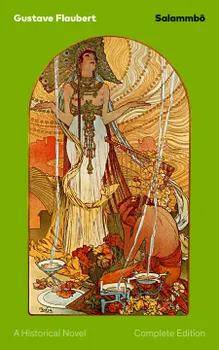
This carefully crafted ebook: "Salammbô - A Historical Novel (Complete Edition)" is formatted for your eReader with a functional and detailed table of contents. Salammbô is a historical novel about a priestess and the daughter of Hamilcar Barca, an aristocratic Carthaginian general. Salammbô is the object of the obsessive lust of Matho, a leader of the mercenaries. With the help of the scheming freed slave, Spendius, Matho steals the sacred veil of Carthage, the Zaïmph, prompting Salammbô to enter the mercenaries' camp in an attempt to steal it back. The Zaïmph is an ornate bejewelled veil draped about the statue of the goddess Tanit in the sanctum sanctorum of her temple: the veil is the city's guardian and touching it will bring death to the perpetrator. The novel is set in Carthage during the 3rd century BC, immediately before and during the Mercenary Revolt which took place shortly after the First Punic War. Flaubert's main source was Book I of Polybius's Histories. It required a great deal of work from the author, who enthusiastically left behind the realism of his masterpiece Madame Bovary for this tale of blood and thunder. The book, which Flaubert researched painstakingly, is largely an exercise in sensuous and violent exoticism. It was another best-seller and sealed his reputation. The Carthaginian costumes described in it even left traces on the fashions of the time. Nevertheless, in spite of its classic status in France, it is not widely known today among English speakers. Gustave Flaubert (1821–1880) was an influential French writer who was perhaps the leading exponent of literary realism of his country. He is known especially for his first published novel, Madame Bovary and for his scrupulous devotion to his style and aesthetics. The celebrated short story writer Maupassant was a protégé of Flaubert.
Om den här boken

This carefully crafted ebook: "Salammbô - A Historical Novel (Complete Edition)" is formatted for your eReader with a functional and detailed table of contents. Salammbô is a historical novel about a priestess and the daughter of Hamilcar Barca, an aristocratic Carthaginian general. Salammbô is the object of the obsessive lust of Matho, a leader of the mercenaries. With the help of the scheming freed slave, Spendius, Matho steals the sacred veil of Carthage, the Zaïmph, prompting Salammbô to enter the mercenaries' camp in an attempt to steal it back. The Zaïmph is an ornate bejewelled veil draped about the statue of the goddess Tanit in the sanctum sanctorum of her temple: the veil is the city's guardian and touching it will bring death to the perpetrator. The novel is set in Carthage during the 3rd century BC, immediately before and during the Mercenary Revolt which took place shortly after the First Punic War. Flaubert's main source was Book I of Polybius's Histories. It required a great deal of work from the author, who enthusiastically left behind the realism of his masterpiece Madame Bovary for this tale of blood and thunder. The book, which Flaubert researched painstakingly, is largely an exercise in sensuous and violent exoticism. It was another best-seller and sealed his reputation. The Carthaginian costumes described in it even left traces on the fashions of the time. Nevertheless, in spite of its classic status in France, it is not widely known today among English speakers. Gustave Flaubert (1821–1880) was an influential French writer who was perhaps the leading exponent of literary realism of his country. He is known especially for his first published novel, Madame Bovary and for his scrupulous devotion to his style and aesthetics. The celebrated short story writer Maupassant was a protégé of Flaubert.
Kom igång med den här boken idag för 0 kr

  • Få full tillgång till alla böcker i appen under provperioden
  • Ingen bindningstid, avsluta när du vill
Prova gratis nu
Mer än 52 000 personer har gett Nextory 5 stjärnor i App Store och på Google Play.

  1. 2.0

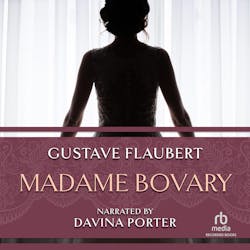
    Madame Bovary

    Gustave Flaubert
  2. 50 Masterpieces you need to read

    Louisa May Alcott, Jane Austen, Joseph Conrad, D. H. Lawrence, George Eliot, Leo Tolstoy, James Joyce, Charles Dickens, Bram Stoker, Oscar Wilde, Honoré de Balzac, Edgar Rice Burroughs, Anne Brontë, Charlotte Brontë, Emily Brontë, Lewis Carroll, Willa Cather, Miguel de Cervantes, E. Cummings, Fyodor Dostoyevsky, Daniel Defoe, Arthur Conan Doyle, Alexandre Dumas, Gustave Flaubert, Henry James, Victor Hugo

  3. 3.2

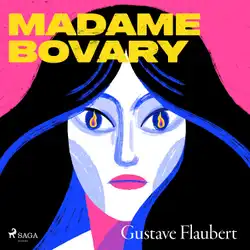
    Madame Bovary

    Gustave Flaubert

  4. 3.5

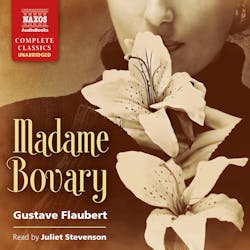
    Madame Bovary

    Gustave Flaubert

  5. 3.3

    Madame Bovary

    Gustave Flaubert

  6. Madame Bovary

    Gustave Flaubert

  7. 5.0

    Madame Bovary - Audiobook

    Gustave Flaubert, Classic Audiobooks

  8. 50 Masterpieces You Must Read Before You Die: Volume 2 : Timeless Classics That Will Enrich Your Mind and Soul

    Louisa May Alcott, Jane Austen, Joseph Conrad, D. H. Lawrence, George Eliot, Leo Tolstoy, James Joyce, Charles Dickens, Bram Stoker, Oscar Wilde, Honoré de Balzac, Edgar Rice Burroughs, Anne Brontë, Charlotte Brontë, Emily Brontë, Lewis Carroll, Willa Cather, Miguel de Cervantes, E. E. Cummings, Fyodor Dostoyevsky, Daniel Defoe, Arthur Conan Doyle, Alexandre Dumas, Gustave Flaubert, Henry James, Victor Hugo, The griffin classics

  9. The Greatest Works of French Literature : Enriched edition. 90+ Novels, Short Stories, Poems, Plays, Philosophical Essays…

    Stendhal, Jules Verne, Gustave Flaubert, Émile Zola, Victor Hugo, Guy De Maupassant, Jean-Jacques Rousseau, François Rabelais, George Sand, Marcel Proust, Gaston Leroux, Charles Baudelaire, Molière, Pierre Corneille, Jean Racine, Voltaire, Pierre Choderlos de Laclos, Alexandre Dumas pere, Alexandre Dumas fils

  10. 50 Masterpieces you have to read : An Unforgettable Journey into Timeless Literature - eBook Edition

    Louisa May Alcott, Jane Austen, Joseph Conrad, D. H. Lawrence, George Eliot, Leo Tolstoy, James Joyce, Charles Dickens, Bram Stoker, Oscar Wilde, Honoré de Balzac, Edgar Rice Burroughs, Anne Brontë, Charlotte Brontë, Emily Brontë, Lewis Carroll, Willa Cather, Miguel de Cervantes, E. Cummings, Fyodor Dostoyevsky, Daniel Defoe, Arthur Conan Doyle, Alexandre Dumas, Gustave Flaubert, Henry James, Victor Hugo

  11. 3.0

    Madam Bovary

    Gustave Flaubert

  12. 3.3

    Madame Bovary

    Gustave Flaubert


Relaterade kategorier