



oder

Finde dein nächstes Lieblingsbuch

  1. Neu

    Emile

    Jean-Jacques Rousseau

  2. Neu

    Die größten Klassiker der französischen Literatur

    Victor Hugo, Marcel Proust, Voltaire, George Sand, Émile Zola, Gustave Flaubert, Honoré de Balzac, Francois Rabelais, Alexandre Dumas, Charles Baudelaire, Stendhal, Denis Diderot, Jean-Jacques Rousseau, Madame de Fayette, Alphonse Daudet

  3. Die größten Klassiker der französischen Literatur

    Victor Hugo, Marcel Proust, Voltaire, George Sand, Émile Zola, Gustave Flaubert, Honoré de Balzac, Francois Rabelais, Alexandre Dumas, Charles Baudelaire, Stendhal, Denis Diderot, Jean-Jacques Rousseau, Madame de Fayette, Alphonse Daudet

  4. Emilio y Sofía o Los solitarios : Texto póstumo continuación de «Emilio o De la educación», tratado clave de Rousseau.

    Jean-Jacques Rousseau

  5. Die größten Klassiker der französischen Literatur

    Victor Hugo, Marcel Proust, Voltaire, George Sand, Emile Zola, Gustave Flaubert, Honoré de Balzac, François Rabelais, Alexandre Dumas, Charles Baudelaire, Stendhal, Denis Diderot, Jean-Jacques Rousseau, Marie-Madeleine de Fayette, Alphonse Daudet

  6. Die größten Klassiker der französischen Literatur

    Victor Hugo, Marcel Proust, Voltaire, George Sand, Emile Zola, Gustave Flaubert, Honoré de Balzac, François Rabelais, Alexandre Dumas, Charles Baudelaire, Stendhal, Denis Diderot, Jean-Jacques Rousseau, Marie-Madeleine La Fayette, Alphonse Daudet

  7. 3.7

    El contrato social

    Jean-Jacques Rousseau

  8. Contrato social

    Jean-Jacques Rousseau

  9. Émile, ou De l'éducation : Traité de pédagogie naturelle, de liberté et de formation morale de l'enfance au siècle des Lumières

    Jean-Jacques Rousseau

  10. Julie ou la Nouvelle Héloïse : Passion interdite, vertu et devoir dans un roman épistolaire aux paysages du lac Léman

    Jean-Jacques Rousseau

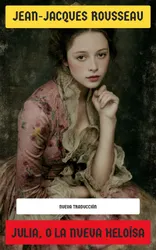
  11. Julia, o La nueva Heloísa

    Jean-Jacques Rousseau

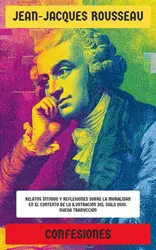
  12. Confesiones : Relatos íntimos y reflexiones sobre la moralidad en el contexto de la Ilustración del siglo XVIII

    Jean-Jacques Rousseau

Über dieses Buch

Jean-Jacques Rousseau's 'EMILE' is a revolutionary treatise on education and human development, published in 1762 during the Enlightenment era. The book follows the life of Emile, a young boy raised in nature by his tutor, exploring themes of individualism, freedom, and the corrupting influence of society. Rousseau's literary style is philosophical and didactic, employing a narrative framework to convey his ideas on the importance of allowing natural growth and nurturing human potential. 'EMILE' challenged traditional educational methods and emphasized the need for personalized education to cultivate virtue and morality in individuals. Rousseau's work is a cornerstone of modern educational philosophy, influencing thinkers such as John Dewey and Maria Montessori. Through 'EMILE,' Rousseau presents a thought-provoking analysis of the human condition and the role of education in shaping society. Readers interested in exploring the foundations of educational theory and the philosophy of childhood will find 'EMILE' a profound and enlightening read.