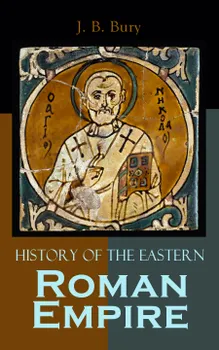
J. B. Bury's History of the Eastern Roman Empire offers a rigorous account of Byzantium from the fall of Irene in 802 to the accession of Basil I in 867, a formative period of military crisis, dynastic instability, administrative resilience, and cultural renewal. Written in a precise, source-critical style, the work situates imperial politics alongside conflicts with Bulgars, Arabs, and Slavs, while treating iconoclasm, diplomacy, and court intrigue as integral to the empire's survival. Bury, the distinguished Irish classicist and historian, brought to Byzantine studies the habits of philology, chronology, and comparative political analysis. As Regius Professor of Modern History at Cambridge and editor of Gibbon, he was deeply engaged with the problem of how the Roman world transformed rather than simply declined. His command of Greek sources and distrust of romantic simplification helped shape this book's sober, analytical character. This volume is recommended to readers seeking more than a conventional chronicle of emperors and battles. It is especially valuable for students of medieval statecraft, Byzantine civilization, and the continuity of Roman institutions in the East. Though demanding in places, it rewards careful reading with a lucid understanding of an empire often misunderstood, revealing Byzantium as adaptive, intellectually complex, and historically indispensable.
This enriched edition has been carefully crafted to add value to your reading experience.
- A succinct Introduction situates the work's timeless appeal and themes.
- The Synopsis outlines the central plot, highlighting key developments without spoiling critical twists.
- A detailed Historical Context immerses you in the era's events and influences that shaped the writing.
- A thorough Analysis dissects symbols, motifs, and character arcs to unearth underlying meanings.
- Reflection questions prompt you to engage personally with the work's messages, connecting them to modern life.
- Hand‐picked Memorable Quotes shine a spotlight on moments of literary brilliance.
- Interactive footnotes clarify unusual references, historical allusions, and archaic phrases for an effortless, more informed read.