Über dieses Buch

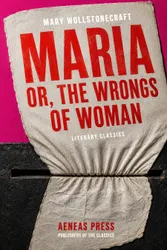
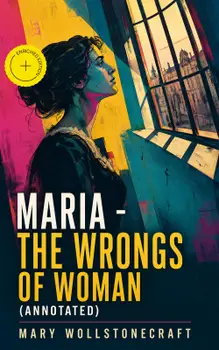
Mary Wollstonecraft's Maria; or, The Wrongs of Woman is an unfinished but powerful philosophical novel that exposes the legal, sexual, and economic oppression of women in late eighteenth-century Britain. Centered on Maria, confined to a madhouse by a tyrannical husband, the narrative blends Gothic confinement, sentimental intensity, and radical social critique. Through Maria's testimony and the story of Jemima, Wollstonecraft transforms fiction into an indictment of marriage laws, class hierarchy, and the moral hypocrisy governing female desire. Wollstonecraft, best known for A Vindication of the Rights of Woman, wrote from the intellectual ferment of the 1790s, when debates over revolution, reason, education, and citizenship reshaped European thought. Her own experiences of precarious independence, unconventional love, and social judgment inform the novel's urgency. Published posthumously in 1798 by William Godwin, the fragment reveals her developing effort to unite political argument with imaginative narrative. This book is essential for readers interested in feminist literary history, Romantic-era radicalism, and the origins of the social-protest novel. Though incomplete, it remains intellectually fierce, emotionally compelling, and strikingly modern in its analysis of gendered injustice.

This enriched edition has been carefully crafted to add value to your reading experience.

- A succinct Introduction situates the work's timeless appeal and themes.

- The Synopsis outlines the central plot, highlighting key developments without spoiling critical twists.

- A detailed Historical Context immerses you in the era's events and influences that shaped the writing.

- An Author Biography reveals milestones in the author's life, illuminating the personal insights behind the text.

- A thorough Analysis dissects symbols, motifs, and character arcs to unearth underlying meanings.

- Reflection questions prompt you to engage personally with the work's messages, connecting them to modern life.

- Hand‐picked Memorable Quotes shine a spotlight on moments of literary brilliance.

- Interactive footnotes clarify unusual references, historical allusions, and archaic phrases for an effortless, more informed read.

Starte noch heute mit diesem Buch für € 0

  • Hole dir während der Testphase vollen Zugriff auf alle Bücher in der App
  • Keine Verpflichtungen, jederzeit kündbar
Jetzt kostenlos testen
Mehr als 52 000 Menschen haben Nextory im App Store und auf Google Play 5 Sterne gegeben.

Mehr von Mary Wollstonecraft

  1. Neu
    2.7

    A Vindication of the Rights of Woman

    Mary Wollstonecraft

  2. Neu

    Una doble vindicación : Textos seleccionados

    Mary Wollstonecraft

  3. 4.0

    Mary (Nórdica Clásicos)

    Mary Wollstonecraft

  4. Maria : or, The Wrongs of Woman

    Mary Wollstonecraft

  5. 2.7

    A Vindication of the Rights of Woman

    Mary Wollstonecraft

  6. A Vindication of the Rights of Woman : The 1792 Argument That Women Deserve an Education, Not Just Admiration

    Mary Wollstonecraft

  7. 2.7

    A Vindication of the Rights of Woman

    Mary Wollstonecraft

  8. 2.0

    A Vindication of the Rights of Woman

    Mary Wollstonecraft

  9. 100 Obras Maestras Que Debes Leer Antes De Morir

    Francis Scott Fitzgerald, Mary Shelley, Lyman Frank Baum, Edith Nesbit, Dante Alighieri, Jane Austen, Ambrose Bierce, Emily Brontë, Edgar Rice Burroughs, Lewis Carroll, Wilkie Collins, René Descartes, Charles Dickens, Emily Dickinson, Alexandre Dumas, Gustave Flaubert, Benito Pérez Galdós, Johann Wolfgang von Goethe, Thomas Hardy, E T A Hoffmann, Washington Irving, Henry James, James Joyce, Franz Kafka, Gaston Leroux, Federico García Lorca, H.P. Lovecraft, Publio Virgilio Marón, Lucy Maud Montgomery, John William Polidori, Marco Polo, Antoine de Saint-Exupéry, Emilio Salgari, Walter Scott, Mark Twain, Jules Verne, H.G. Wells, Edith Wharton, Mary Wollstonecraft, Fernando de Rojas

  10. 100 Clásicos de la Literatura Universal

    Francis Scott Fitzgerald, Mary Shelley, Lyman Frank Baum, Louisa May Alcott, Dante Alighieri, Jane Austen, Ambrose Bierce, Emily Brontë, Edgar Rice Burroughs, Lewis Carroll, Wilkie Collins, René Descartes, Charles Dickens, Emily Dickinson, Alexandre Dumas, Gustave Flaubert, Benito Pérez Galdós, Johann Wolfgang von Goethe, Thomas Hardy, E T A Hoffmann, Washington Irving, Henry James, James Joyce, Franz Kafka, Gaston Leroux, Federico García Lorca, H.P. Lovecraft, Publio Virgilio Marón, Lucy Maud Montgomery, John William Polidori, Marco Polo, Antoine de Saint-Exupéry, Emilio Salgari, Walter Scott, Mark Twain, Jules Verne, Julio Verne, H.G. Wells, Edith Wharton, Mary Wollstonecraft, Stefan Zweig, Sun Tzu, Bram Stoker, - Aristoteles, George Bernard Shaw, Henryk Sienkiewicz, Concepción Arenal, Charlotte Brontë, Miguel de Cervantes, G.K. Chesterton, Daniel Defoe, Fyodor Mikhailovich Dostoyevsky, Arthur Conan Doyle, Sigmund Freud, H. Rider Haggard, Homero, Immanuel Kant, Rudyard Kipling, Molière, Friedrich Nietzsche, Fernando de Rojas, Sófocles, William Makepeace Thackeray, León Tolstói, Voltaire, Ramón María del Valle-Inclán, Oscar Wilde, Virginia Woolf

  11. Letters Written During A Short Residence In Sweden Norway And Denmark

    Mary Wollstonecraft

  12. 2.7

    A Vindication of the Rights of Woman

    Mary Wollstonecraft