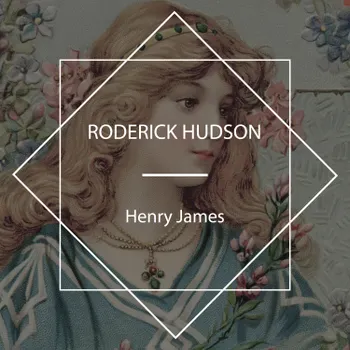
Roderick Hudson

Originally published in 1875 as a serial in The Atlantic Monthly, Roderick Hudson is a One has the money but not the talent. One has the talent but not the money. It would seem that Rowland Mallet and Roderick Hudson were meant to meet. A rich and sensible man, Rowland is ecstatic when Roderick, a beautiful but somewhat selfish sculptor, accepts his offer of joining him in Rome for two years to develop his artistic talents. To complicate matters, however, Rowland has fallen in love for the first time right before their departure and did not get a chance to express his feelings. But, as it turns out, he may never get to, because Roderick has just asked the same woman to marry him. Influenced, as he was, by Nathaniel Hawthorne in this early period, Henry James‘ wrote `Roderick Hudson‘ (1879) in a much more accessible way than his later novels. In fact, this is perfect for the contemporary literature fan with an interest in good love stories and clever character development.

that traces the development of the title character, a sculptor. Roderick Hudson is James's first important novel. The theme of Americans in Europe, so important in much of James's work, is already central to the story. Hudson is a young law student in Northampton, Massachusetts, who shows such surprising ability as a sculptor that the rich Rowland Mallett, visiting a cousin in Northampton, decides to stake him to several years of study in Rome, then a center of expatriate American society. The story has to do not only with Roderick's growth as an artist and the problems it brings, but also as a man susceptible to his new environment, and indeed his occasional rivalries with his American friend and patron.

Henry James (1843-1916) was an American author who already by his mid-20s was regarded as one of the most skilful short story writers of his time. Later he would write several classic novels including `Daisy Miller‘ (1878) and `The Portrait of a Lady‘ (1881). He spent much of his life in Europe and became and British citizen shortly before his death.

Über dieses Buch

Originally published in 1875 as a serial in The Atlantic Monthly, Roderick Hudson is a One has the money but not the talent. One has the talent but not the money. It would seem that Rowland Mallet and Roderick Hudson were meant to meet. A rich and sensible man, Rowland is ecstatic when Roderick, a beautiful but somewhat selfish sculptor, accepts his offer of joining him in Rome for two years to develop his artistic talents. To complicate matters, however, Rowland has fallen in love for the first time right before their departure and did not get a chance to express his feelings. But, as it turns out, he may never get to, because Roderick has just asked the same woman to marry him. Influenced, as he was, by Nathaniel Hawthorne in this early period, Henry James‘ wrote `Roderick Hudson‘ (1879) in a much more accessible way than his later novels. In fact, this is perfect for the contemporary literature fan with an interest in good love stories and clever character development.

that traces the development of the title character, a sculptor. Roderick Hudson is James's first important novel. The theme of Americans in Europe, so important in much of James's work, is already central to the story. Hudson is a young law student in Northampton, Massachusetts, who shows such surprising ability as a sculptor that the rich Rowland Mallett, visiting a cousin in Northampton, decides to stake him to several years of study in Rome, then a center of expatriate American society. The story has to do not only with Roderick's growth as an artist and the problems it brings, but also as a man susceptible to his new environment, and indeed his occasional rivalries with his American friend and patron.

Henry James (1843-1916) was an American author who already by his mid-20s was regarded as one of the most skilful short story writers of his time. Later he would write several classic novels including `Daisy Miller‘ (1878) and `The Portrait of a Lady‘ (1881). He spent much of his life in Europe and became and British citizen shortly before his death.

Starte noch heute mit diesem Buch für € 0

  • Hole dir während der Testphase vollen Zugriff auf alle Bücher in der App
  • Keine Verpflichtungen, jederzeit kündbar
Jetzt kostenlos testen
Mehr als 52 000 Menschen haben Nextory im App Store und auf Google Play 5 Sterne gegeben.

  1. 100 Meisterwerke der englischen Literatur - Klassiker, die man kennen muss

    George Orwell, Charles Dickens, Jane Austen, Katherine Mansfield, H.P. Lovecraft, William Wordsworth, John Keats, Percy Bysshe Shelley, Robert Burns, John Milton, William Shakespeare, Christopher Marlowe, Geoffrey Chaucer, Laurence Sterne, Henry Fielding, Mary Shelley, Emily Brontë, Charlotte Brontë, Anne Brontë, William Makepeace Thackeray, George Eliot, D. H. Lawrence, Herman Melville, Thomas Wolfe, Virginia Woolf, Joseph Conrad, Sinclair Lewis, Walt Whitman, Edgar Allan Poe, Oscar Wilde, Jerome K Jerome, Washington Irving, Bram Stoker, H.G. Wells, Daniel Defoe, Lew Wallace, James Fenimore Cooper, Jonathan Swift, Robert Louis Stevenson, Mark Twain, Lewis Carrol, Edward Bulwer-Lytton, F. Scott Fitzgerald, Arthur Conan Doyle, Jack London, Henry David Thoreau, G.K. Chesterton, Edith Wharton, Henry James, Thomas Hardy, Margaret Mitchell, Kate Chopin, Willa Cather, Charlotte Perkins Gilman, James Joyce, John Galsworthy, Francis Hodgson Burnett, Lucy Maud Montgomery, Louisa May Alcott, Rudyard Kipling

  2. Die Coxon-Stiftung

    Henry James

  3. Neu
    3.4

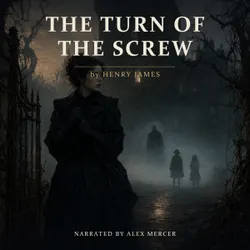
    The Turn of the Screw

    Henry James

  4. The Real Thing

    Henry James

  5. Neu

    100 Obras Maestras Que Debes Leer Antes De Morir

    Francis Scott Fitzgerald, Mary Shelley, Lyman Frank Baum, Edith Nesbit, Dante Alighieri, Jane Austen, Ambrose Bierce, Emily Brontë, Edgar Rice Burroughs, Lewis Carroll, Wilkie Collins, René Descartes, Charles Dickens, Emily Dickinson, Alexandre Dumas, Gustave Flaubert, Benito Pérez Galdós, Johann Wolfgang von Goethe, Thomas Hardy, E T A Hoffmann, Washington Irving, Henry James, James Joyce, Franz Kafka, Gaston Leroux, Federico García Lorca, H.P. Lovecraft, Publio Virgilio Marón, Lucy Maud Montgomery, John William Polidori, Marco Polo, Antoine de Saint-Exupéry, Emilio Salgari, Walter Scott, Mark Twain, Jules Verne, H.G. Wells, Edith Wharton, Mary Wollstonecraft, Fernando de Rojas

  6. Neu

    100 Clásicos de la Literatura Universal

    Francis Scott Fitzgerald, Mary Shelley, Lyman Frank Baum, Louisa May Alcott, Dante Alighieri, Jane Austen, Ambrose Bierce, Emily Brontë, Edgar Rice Burroughs, Lewis Carroll, Wilkie Collins, René Descartes, Charles Dickens, Emily Dickinson, Alexandre Dumas, Gustave Flaubert, Benito Pérez Galdós, Johann Wolfgang von Goethe, Thomas Hardy, E T A Hoffmann, Washington Irving, Henry James, James Joyce, Franz Kafka, Gaston Leroux, Federico García Lorca, H.P. Lovecraft, Publio Virgilio Marón, Lucy Maud Montgomery, John William Polidori, Marco Polo, Antoine de Saint-Exupéry, Emilio Salgari, Walter Scott, Mark Twain, Jules Verne, Julio Verne, H.G. Wells, Edith Wharton, Mary Wollstonecraft, Stefan Zweig, Sun Tzu, Bram Stoker, - Aristoteles, George Bernard Shaw, Henryk Sienkiewicz, Concepción Arenal, Charlotte Brontë, Miguel de Cervantes, G.K. Chesterton, Daniel Defoe, Fyodor Mikhailovich Dostoyevsky, Arthur Conan Doyle, Sigmund Freud, H. Rider Haggard, Homero, Immanuel Kant, Rudyard Kipling, Molière, Friedrich Nietzsche, Fernando de Rojas, Sófocles, William Makepeace Thackeray, León Tolstói, Voltaire, Ramón María del Valle-Inclán, Oscar Wilde, Virginia Woolf

  7. 50 Masterpieces you have to read before you die vol: 2

    Louisa May Alcott, Jane Austen, Joseph Conrad, D. H. Lawrence, George Eliot, Leo Tolstoy, James Joyce, Charles Dickens, Bram Stoker, Oscar Wilde, Honoré de Balzac, Edgar Rice Burroughs, Anne Brontë, Charlotte Brontë, Emily Brontë, Lewis Carroll, Willa Cather, Miguel de Cervantes, E. Cummings, Fyodor Dostoyevsky, Daniel Defoe, Arthur Conan Doyle, Alexandre Dumas, Gustave Flaubert, Henry James, Victor Hugo

  8. 50 Masterpieces you have to read before you die vol 1

    Louisa May Alcott, Jane Austen, Joseph Conrad, Edwin Abbott, George Eliot, Leo Tolstoy, James Joyce, Charles Dickens, Bram Stoker, Oscar Wilde, Honoré de Balzac, Edgar Rice Burroughs, Anne Brontë, Charlotte Brontë, Emily Brontë, Lewis Carroll, Willa Cather, Miguel de Cervantes, E. Cummings, Fyodor Dostoyevsky, Daniel Defoe, Arthur Conan Doyle, Alexandre Dumas, Gustave Flaubert, Henry James, Victor Hugo

  9. 30 Occult and Supernatural masterpieces in one book

    Washington Irving, Mary Shelley, Charles Dickens, Joseph Sheridan Le Fanu, Elizabeth Cleghorn Gaskell, Louisa May Alcott, Oscar Wilde, Rudyard Kipling, Edith Nesbit, John Meade Falkner, Henry James, H.G. Wells, Montague Rhodes James, Arnold Bennett, Henry Rider Haggard, William Hope Hodgson, Virginia Woolf, Master Hendrick Hudson Certain, Pastor Tappau's, Lefebvre, De Lacy

  10. 3.4

    The Turn of the Screw

    Henry James

  11. 3.4

    The Turn Of The Screw

    Henry James

  12. 3.4

    The Turn of the Screw

    Henry James