oder

Finde dein nächstes Lieblingsbuch

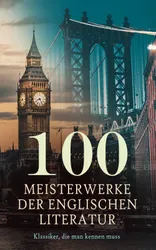
  1. 100 Meisterwerke der englischen Literatur - Klassiker, die man kennen muss (Kommentiert) : Erweiterte Ausgabe. Hamlet, 1984, Ulysses...

    George Orwell, Charles Dickens, Jane Austen, Katherine Mansfield, H.P. Lovecraft, William Wordsworth, John Keats, Percy Bysshe Shelley, Robert Burns, John Milton, William Shakespeare, Christopher Marlowe, Geoffrey Chaucer, Laurence Sterne, Henry Fielding, Mary Shelley, Emily Brontë, Charlotte Brontë, Anne Brontë, William Makepeace Thackeray, George Eliot, D. H. Lawrence, Herman Melville, Thomas Wolfe, Virginia Woolf, Joseph Conrad, Sinclair Lewis, Walt Whitman, Edgar Allan Poe, Oscar Wilde, Jerome K Jerome, Washington Irving, Bram Stoker, H.G. Wells, Daniel Defoe, Lew Wallace, James Fenimore Cooper, Jonathan Swift, Robert Louis Stevenson, Mark Twain, Lewis Carrol, Edward Bulwer-Lytton, F. Scott Fitzgerald, Arthur Conan Doyle, Jack London, Henry David Thoreau, G.K. Chesterton, Edith Wharton, Henry James, Thomas Hardy, Margaret Mitchell, Kate Chopin, Willa Cather, Charlotte Perkins Gilman, James Joyce, John Galsworthy, Francis Hodgson Burnett, Lucy Maud Montgomery, Louisa May Alcott, Rudyard Kipling

  2. Neu
    3.5

    Dracula's Guest

    Bram Stoker

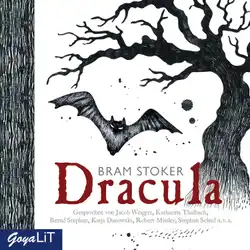
  3. 4.3

    Dracula

    Bram Stoker

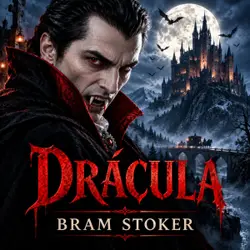
  4. Neu
    4.3

    Drácula

    Bram Stoker

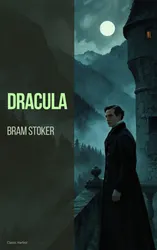
  5. Neu
    4.0

    Dracula

    Bram Stoker

  6. Neu

    Dracula : The Vampire Count Comes to England

    Bram Stoker

  7. Neu

    Dracula : The Vampire Count Comes to England

    Bram Stoker

  8. Neu

    The Man : Stephen and Harold, from Childhood On

    Bram Stoker

  9. Neu
    4.3

    Drácula

    Bram Stoker

  10. Gothic Shadows : 15 Essential Tales of Horror and the Supernatural

    Washington Irving, Edgar Allan Poe, Charles Dickens, Oscar Wilde, Henry James, M. R. James, William Hope Hodgson, Arthur Machen, Ann Radcliffe, Gaston Leroux, Sheridan Le Fanu, Robert Louis Stevenson, Mary Shelley, Bram Stoker

  11. 50 Masterpieces You Have to Read : Volume Two - A Second Library of World Literature

    Joseph Sheridan Fanu, Madame de Fayette, Jerome K Jerome, James Joyce, Charles Kingsley, Rudyard Kipling, Pierre Choderlos Laclos, D. H. Lawrence, Matthew Gregory Lewis, Sinclair Lewis, Jack London, H.P. Lovecraft, Thomas Mann, W. Somerset Maugham, Guy De Maupassant, Herman Melville, Edgar Allan Poe, Marcel Proust, Ann Radcliffe, Samuel Richardson, George Sand, Walter Scott, Mary Shelley, Henryk Sienkiewicz, May Sinclair, Upton Sinclair, Stendhal, Laurence Sterne, Robert Louis Stevenson, Bram Stoker, Harriet Beecher Stowe, Jonathan Swift, Rabindranath Tagore, William Makepeace Thackeray, Leo Tolstoy, Anthony Trollope, Ivan Turgenev, Mark Twain, Jules Verne, Lew Wallace, H.G. Wells, Rebecca West, Edith Wharton, Oscar Wilde, Cao Xueqin, Émile Zola

  12. The Complete Novels of Bram Stoker

    Bram Stoker

Über dieses Buch

Embark on an enchanting exploration of mystical traditions with *The Great Book of Witchcraft*, a diverse anthology comprising works by luminaries such as Bram Stoker, Jules Michelet, and Margaret Murray. This collection masterfully spans the spectrum of literary styles from historical narratives to imaginative tales, immersing readers in the rich tapestry of witchcraft lore and its myriad interpretations across eras and cultures. With historical treatises juxtaposed with evocative folklore, the significance of this volume lies in its ability to blend the historical veracity with popular imagination, providing a panoramic view of witchcraft's evolving presence within literary contexts and societal perceptions. The anthology is a collaboration among distinguished figures who have profoundly shaped the discourse surrounding witchcraft and the supernatural. Many contributors, like Increase and Cotton Mather, provide a puritanical glimpse into early American witch trials, while European voices, such as Wilhelm Meinhold and E. Lynn Linton, explore the intersections of myth and reality that have fascinated audiences for generations. This convergence of authors, representing diverse periods and perspectives, reflects and refracts the complex undercurrents of superstition, fear, and intrigue that define the cultural phenomenon of witchcraft. For those eager to delve into the nuanced history and imaginative interpretations of witchcraft, this anthology offers an unparalleled opportunity. The collection not only illuminates the multiplicity of witchcraft narratives but also fosters a dialogue between the many voices assembled within its covers. Readers will find themselves enriched by the anthology's educational scope, gaining profound insights into the perennial mystery and allure of witchcraft as they journey through its artful synthesis of perspective, style, and theme.