"The Joyful Wisdom," written in 1882, just before "Zarathustra," is rightly judged to be one of Nietzsche's best books. Here the essentially grave and masculine face of the poet-philosopher is seen to light up and suddenly break into a delightful smile. The warmth and kindness that beam from his features will astonish those hasty psychologists who have never divined that behind the destroyer is the creator, and behind the blasphemer the lover of life. In the retrospective valuation of his work which appears in "Ecce Homo" the author himself observes with truth that the fourth book, "Sanctus Januarius," deserves especial attention: "The whole book is a gift from the Saint, and the introductory verses express my gratitude for the most wonderful month of January that I have ever spent." Book fifth "We Fearless Ones," the Appendix "Songs of Prince Free-as-a-Bird," and the Preface, were added to the second edition in 1887.
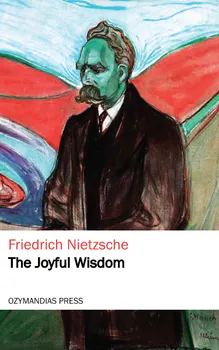
The Joyful Wisdom
Starten Sie noch heute mit diesem Buch für € 0
- Hol dir während der Testphase vollen Zugriff auf alle Bücher in der App
- Keine Verpflichtungen, jederzeit kündbar
Autor*in:
Sprecher*in:
Sprache:
Englisch
Format:

100 Meisterwerke der Weltliteratur - Klassiker die man kennen muss

Der Antichrist

Klaus Kinski

Ecce Homo : Cómo se llega a ser lo que se es

Über Wahrheit und Lüge im außermoralischen Sinn. Ein philosophischer Essay. : Hörbuchzeit: Klassiker der Weltliteratur

Die Geburt der Tragödie aus dem Geiste der Musik. Versuch einer Selbstkritik und philosophisches Weltbild. : Hörbuchzeit: Klassiker der Weltliteratur

El nacimiento de la tragedia

Lyrikalische Bibliothek

Sobre mi vida (esbozos autobiográficos) y apuntes filosóficos de juventud temprana

La filosofía en la época trágica de los griegos : Homero y la Filología Clásica. Cinco prólogos a cinco libros no escritos.

Obras completas : Volumen III: Obras de madurez I

Crepúsculo de los ídolos