Sometimes the smallest detail can open the door to an entire world of thoughts.
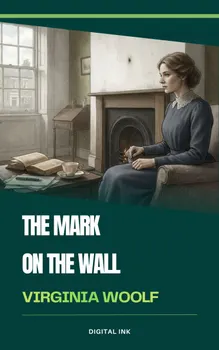
In The Mark on the Wall, Virginia Woolf transforms a seemingly ordinary observation into an imaginative exploration of human consciousness. While noticing a small mark on a wall, the narrator begins a series of reflections that move through memory, history, society, nature, and the unpredictable movement of the mind.
Rather than following a traditional plot, Woolf uses a stream-of-consciousness narrative to explore how thoughts develop, shift, and connect in unexpected ways.
First published in 1917, this experimental short story became an important example of literary modernism and Woolf's innovative approach to fiction.
Ideal for readers interested in modernist literature, philosophical reflections, and experimental storytelling.
Discover how an ordinary moment can reveal extraordinary ideas. Get your copy today!