Om denne bog

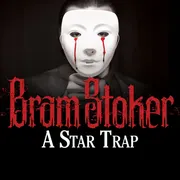
An old man recounts the story of a death he witnessed as a young boy working in the theater: His boss, Mr. Haliday, had married a pretty young lady from the theater, much to the chagrin of the other women working in the company. It was a marriage of convenience, but in the beginning they got along well enough. After a handsome younger man, Henry Mortimer, joins the theater company, Mrs. Haliday and Mortimer start up a romance that everyone but Mr. Haliday seem to notice. However, during a performance one night, something seems to go terrible wrong as a piece of equipment falls from the stage and kills Mortimer. Although it seems like a simple stage malfunction, the young theater boy notices something that the rest do not -- a strange piece of metal that he found on stage immediately following the death of Mortimer that seems to say that Mr. Haliday wasn't as clueless as everyone had thought about the actions of his wife and the handsome young actor.

Bram Stoker (1847-1912) was an Irish writer of novels and short stories, most famous for his gothic horror novel Dracula. Although he wrote throughout his life while working as a personal assistant and theatre manager, he did not achieve much literary fame until after his death.
Kom i gang med denne bog i dag for 0 kr.

  • Få fuld adgang til alle bøger i appen i prøveperioden
  • Ingen forpligtelser, opsiges når som helst
Prøv gratis nu
Mere end 52.000 mennesker har givet Nextory fem stjerner i App Store og Google Play.

Mere af Bram Stoker

  1. 4.4

    Dracula

    Bram Stoker

  2. 4.3

    Dracula

    Bram Stoker

  3. 4.2

    Dracula

    Bram Stoker

  4. 4.3

    Dracula

    Bram Stoker

  5. 4.2

    Dracula : Enriched edition.

    Bram Stoker

  6. 4.3

    Dommerens hus

    Bram Stoker

  7. 50 Masterpieces You Have to Read : Volume Two - A Second Library of World Literature

    Joseph Sheridan Fanu, Madame de Fayette, Jerome K Jerome, James Joyce, Charles Kingsley, Rudyard Kipling, Pierre Choderlos Laclos, D. H. Lawrence, Matthew Gregory Lewis, Sinclair Lewis, Jack London, H.P. Lovecraft, Thomas Mann, W. Somerset Maugham, Guy De Maupassant, Herman Melville, Edgar Allan Poe, Marcel Proust, Ann Radcliffe, Samuel Richardson, George Sand, Walter Scott, Mary Shelley, Henryk Sienkiewicz, May Sinclair, Upton Sinclair, Stendhal, Laurence Sterne, Robert Louis Stevenson, Bram Stoker, Harriet Beecher Stowe, Jonathan Swift, Rabindranath Tagore, William Makepeace Thackeray, Leo Tolstoy, Anthony Trollope, Ivan Turgenev, Mark Twain, Jules Verne, Lew Wallace, H.G. Wells, Rebecca West, Edith Wharton, Oscar Wilde, Cao Xueqin, Émile Zola

  8. Draculas gæst

    Jean-Baptiste de Boyer, Lord Byron, John Polidori, Bram Stoker

  9. Ny

    Classic Gothic Fusion Dracula & Frankenstein

    Bram Stoker, Mary Shelley

  10. Ny

    50 Masterpieces you have to read before you die vol: 2

    Joseph Sheridan Fanu, Madame de Fayette, Jerome K Jerome, James Joyce, Charles Kingsley, Rudyard Kipling, Pierre Choderlos Laclos, D. H. Lawrence, Matthew Gregory Lewis, Sinclair Lewis, Jack London, H.P. Lovecraft, Thomas Mann, W. Somerset Maugham, Guy De Maupassant, Herman Melville, Edgar Allan Poe, Marcel Proust, Ann Radcliffe, Samuel Richardson, George Sand, Walter Scott, Mary Shelley, Henryk Sienkiewicz, May Sinclair, Upton Sinclair, Stendhal, Laurence Sterne, Robert Louis Stevenson, Bram Stoker, Harriet Beecher Stowe, Jonathan Swift, Rabindranath Tagore, William Makepeace Thackeray, Leo Tolstoy, Anthony Troloppe, Ivan Turgenev, Mark Twain, Jules Verne, Lew Wallace, H.G. Wells, Rebecca West, Edith Wharton, Oscar Wilde, Cao Xueqin, Émile Zola

  11. The Complete Novels of Bram Stoker

    Bram Stoker

  12. 50 Masterpieces you have to read before you die vol 1

    Louisa May Alcott, Jane Austen, Joseph Conrad, Edwin Abbott, George Eliot, Leo Tolstoy, James Joyce, Charles Dickens, Bram Stoker, Oscar Wilde, Honoré de Balzac, Edgar Rice Burroughs, Anne Brontë, Charlotte Brontë, Emily Brontë, Lewis Carroll, Willa Cather, Miguel de Cervantes, E. Cummings, Fyodor Dostoyevsky, Daniel Defoe, Arthur Conan Doyle, Alexandre Dumas, Gustave Flaubert, Henry James, Victor Hugo