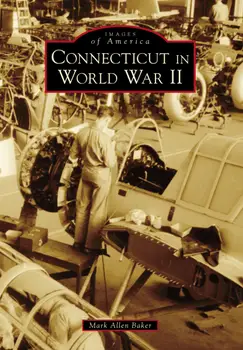
Connecticut in World War II

With the attack on Pearl Harbor by the Empire of Japan on December 7, 1941, and the United States' entry into World War II, our nation turned to Connecticut--as it did during World War I--for munitions, clothing, and other goods. And Connecticut answered the call: Manchester Mills increased silk production, Waterbury brass producers altered their manufacturing lines, and Bridgeport's Remington Arms--which had produced 50 percent of the US Army's small arms cartridges in World War I--increased its mass production capabilities. By the time Electric Boat, Hamilton Propellers, Pratt & Whitney, and many other Connecticut companies tallied up their production back in 1945, it amounted to over $8 billion in war contracts.
Om denne bog

With the attack on Pearl Harbor by the Empire of Japan on December 7, 1941, and the United States' entry into World War II, our nation turned to Connecticut--as it did during World War I--for munitions, clothing, and other goods. And Connecticut answered the call: Manchester Mills increased silk production, Waterbury brass producers altered their manufacturing lines, and Bridgeport's Remington Arms--which had produced 50 percent of the US Army's small arms cartridges in World War I--increased its mass production capabilities. By the time Electric Boat, Hamilton Propellers, Pratt & Whitney, and many other Connecticut companies tallied up their production back in 1945, it amounted to over $8 billion in war contracts.

Kom i gang med denne bog i dag for 0 kr.

  • Få fuld adgang til alle bøger i appen i prøveperioden
  • Ingen forpligtelser, opsiges når som helst
Prøv gratis nu
Mere end 52.000 mennesker har givet Nextory fem stjerner i App Store og Google Play.