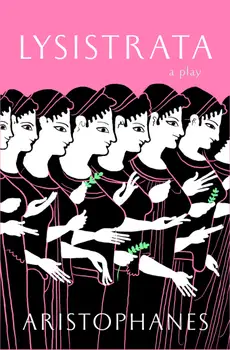
Lysistrata : A Play

Considered the Greek playwright's greatest work: "A bawdy antiwar comedy [about] one woman's extraordinary mission to end the Peloponnesian War" (Classical Literature).

First presented in 411 BC, Lysistrata is one of the great works from the classical age of drama. It is the third and concluding play in Aristophanes's War and Peace series and portrays a humorous battle of the sexes.

In the twenty-first year of the Peloponnesian War, desperate times call for desperate measures. Angry at being ignored in matters of state and tired of missing their husbands, the women of Athens—led by Lysistrata—refuse to have sex with their men until they put down their weapons.

"The reason for its enduring appeal is simple: sex and politics. The eponymous heroine and her militant sisterhood take two actions to make their men stop fighting: first, they stage a sex strike—the withdrawal of sexual favors until peace is declared; second, they occupy the Acropolis, freezing the funds necessary to keep the war going . . . Lysistrata has a serious story to tell. But like all good comedies, it knows when to stop taking itself too seriously." —Blake Morrison, The Guardian

Kom i gang med denne bog i dag for 0 kr.

  • Få fuld adgang til alle bøger i appen i prøveperioden
  • Ingen forpligtelser, opsiges når som helst
Prøv gratis nu
Mere end 52.000 mennesker har givet Nextory fem stjerner i App Store og Google Play.

  1. Lysistrata

    - Aristophanes

  2. 4.0

    Clouds : The Comic Portrait of Socrates – Aristophanes’ Satirical Play on Sophistry, Education, and Athenian Society

    - Aristophanes, Tim Zengerink

  3. Yale Required Reading - Collected Works (Vol. 1) : Enriched edition. Exploring the Depths of Ancient Greek Thought

    Aristotle, Plato, Euripides, Gilbert Murray, Epictetus, Pindar, Theocritus, Homer, Plutarch, Aeschylus, Sophocles, - Aristophanes, Herodotus, Anacreon, Sappho -, Thucydides, Hesiod, Demosthenes, Lysias, Alcaeus, Archilochus, Theognis of Megara, Simonides of Ceos, Bacchylides, Apollonius, Callimachus

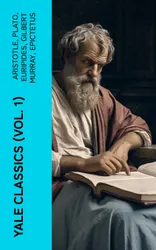
  4. Yale Classics (Vol. 1) : Enriched edition. Exploring the Essence of Ancient Wisdom and Literary Brilliance in Western Thought

    Aristotle, Plato, Euripides, Gilbert Murray, Epictetus, Pindar, Theocritus, Homer, Plutarch, Aeschylus, Sophocles, - Aristophanes, Herodotus, Anacreon, Sappho -, Thucydides, Hesiod, Demosthenes, Lysias, Alcaeus, Archilochus, Theognis of Megara, Simonides of Ceos, Bacchylides, Apollonius, Callimachus

  5. Aristophanes : Four Comedies

    - Aristophanes

  6. Yale Classics (Vol. 1)

    Aristotle, Plato, Euripides, Gilbert Murray, Epictetus, Pindar, Theocritus, Homer, Plutarch, Aeschylus, Sophocles, - Aristophanes, Herodotus, Anacreon, Sappho -, Thucydides, Hesiod, Demosthenes, Lysias, Alcaeus, Archilochus, Theognis of Megara, Simonides of Ceos, Bacchylides, Apollonius, Callimachus

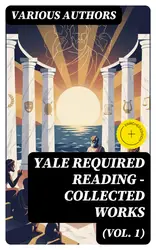
  7. Yale Required Reading - Collected Works (Vol. 1)

    Aristotle, Plato, Euripides, Gilbert Murray, Epictetus, Pindar, Theocritus, Homer, Plutarch, Aeschylus, Sophocles, - Aristophanes, Herodotus, Anacreon, Sappho -, Thucydides, Hesiod, Demosthenes, Lysias, Alcaeus, Archilochus, Theognis of Megara, Simonides of Ceos, Bacchylides, Apollonius, Callimachus

  8. Yale Classics (Vol. 1) : Enriched edition. A Journey Through Greek Thought and Drama: The Origins of Western Literary Tradition

    Aristotle, Plato, Euripides, Gilbert Murray, Epictetus, Pindar, Theocritus, Homer, Plutarch, Aeschylus, Sophocles, - Aristophanes, Herodotus, Anacreon, Sappho -, Thucydides, Hesiod, Demosthenes, Lysias, Alcaeus, Archilochus, Theognis of Megara, Simonides of Ceos, Bacchylides, Apollonius, Callimachus

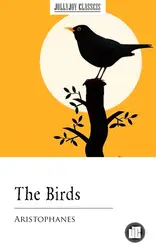
  9. The Birds

    - Aristophanes

  10. The Frogs : Enriched edition.

    - Aristophanes

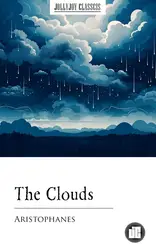
  11. The Clouds

    - Aristophanes

  12. Yale Classics (Vol. 1) : Enriched edition.

    Herodotus, Sappho -, Homer, Hesiod, Alcaeus, Archilochus, Anacreon, Theognis of Megara, Simonides of Ceos, Bacchylides, Pindar, Aeschylus, Sophocles, Euripides, - Aristophanes, Thucydides, Plato, Aristotle, Lysias, Demosthenes, Apollonius, Callimachus, Theocritus, Plutarch, Epictetus, Gilbert Murray