The *Shepherd of Hermas* is an early Christian apocalyptic and moral work, probably composed in Rome during the second century. Structured in three movements—five Visions, twelve Mandates, and ten Similitudes—it presents divine instruction through symbolic encounters with an authoritative female figure and the angelic Shepherd. Its vivid allegories, visionary dialogues, and parabolic narratives explore repentance, ecclesial unity, moral discipline, prophecy, and the possibility of forgiveness after baptism. Neither Scripture nor conventional theology in a later systematic sense, the book belongs to the formative literature of Christianity, where revelation, ethical exhortation, and communal instruction remain inseparable. Its imagery of the Church as a tower under construction gives the work both literary coherence and theological power. The author's identity is unknown, though the text's Roman setting and references to household, wealth, persecution, and church leadership suggest a writer closely acquainted with the social pressures facing Christian communities. Ancient testimony associated Hermas with the Roman church and possibly with the apostolic generation, but modern scholarship generally places the composition later, perhaps in stages. The work's concern with repentance and restoring morally compromised believers reflects a community negotiating the boundaries of membership and authority. Readers interested in early Christianity, apocalyptic literature, biblical interpretation, or the history of Christian ethics will find this volume exceptionally rewarding. Its imaginative symbolism invites theological reflection, while its candid attention to communal conflict preserves a rare portrait of everyday religious life. The *Shepherd* is essential for understanding how early Christians conceived revelation, reform, and the emerging Church.
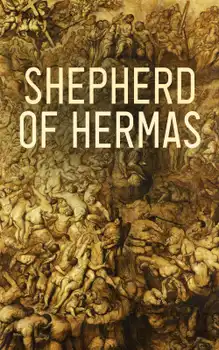
Shepherd of Hermas : Visions, Repentance, and Church Discipline in Second-Century Christianity
Skrevet af Anonymous