
In "The King of the Golden River; or, the Black Brothers: A Legend of Stiria," John Ruskin weaves a captivating fairy tale steeped in moral allegory and rich symbolism. Written in a lyrical and ornate style, this novella presents the struggle between good and evil through the fateful encounters of three brothers over a hidden treasure. Set against an ethereal backdrop inspired by the Alpine region of Styria, Ruskin's narrative not only entertains but also serves as a critique of moral greed and the corrupting influence of wealth, embodying the Victorian ethos of social responsibility and the reverence for nature. John Ruskin (1819-1900) was a prominent thinker, art critic, and social theorist whose passionate advocacy for beauty and moral integrity greatly influenced the cultural landscape of 19th-century England. His deep appreciation for the natural world and medieval craftsmanship profoundly informed his writing, leading him to create works that bridge art, morality, and philosophy. Inspired by his travels and his belief in the interconnectedness of humanity and nature, Ruskin crafted this tale to illuminate the consequences of avarice and the virtues of selflessness, which resonate with his broader socio-economic ideals. I highly recommend "The King of the Golden River" for readers seeking a richly allegorical narrative that transcends mere fairy tale conventions. The story offers profound reflections on virtue, love, and the balance between humanity and nature. In this timeless legend, one discovers not only a captivating story but also a moral compass that continues to guide the discussions of ethics and responsibility in modern society.
The King of the Golden River
Kom i gang med denne bog i dag for 0 kr.
- Få fuld adgang til alle bøger i appen i prøveperioden
- Ingen forpligtelser, opsiges når som helst
Forfatter:
Sprog:
engelsk
Format:
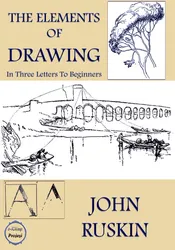
The Elements of Drawing : (In Three Letters to Beginners)
The King of the Golden River :

The Stones of Venice : Study of Venetian Architecture
The Stones of Venice (Vol. 1-3) : Enriched edition. Study of Venetian Architecture

The Stones of Venice : Enriched edition. Study of Venetian Architecture

Praeterita: souvenirs de jeunesse : Édition enrichie.

The King of the Golden River

Love's Meinie: Three Lectures on Greek and English Birds

Frondes Agrestes: Readings in 'Modern Painters'
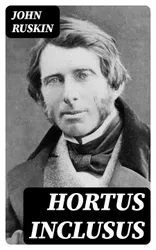
Hortus Inclusus : Messages from the Wood to the Garden, Sent in Happy Days / to the Sister Ladies of the Thwaite, Coniston

The Pleasures of England : Lectures given in Oxford

The Poetry of Architecture : Enriched edition. Or, the Architecture of the Nations of Europe Considered in its Association with Natural Scenery and National Character