The Tunisian Campaign: The History of the Decisive Battles that Ended the Fighting in North Africa during World War II

The fighting in North Africa during World War II is commonly overlooked, aside from the famous battle at El Alamein that pitted the British under General Bernard Montgomery against the legendary “Desert Fox,” Erwin Rommel. But while the Second Battle of El Alamein would be the pivotal action in North Africa, the conflict in North Africa began all the way back in the summer of 1940 when Italian dictator Benito Mussolini declared Italy’s entrance into the war. Dealing with the Italians was one thing, but the British faced an entirely different monster in North Africa when Erwin Rommel, a German general who had gained much fame for his role in the invasions of Poland and France, was sent to North Africa in February 1941. Rommel’s directives from the German headquarters were to maneuver in a way that would allow him to hide the fact that his ultimate goal was the capture of Cairo and the Suez Canal. The ultimate plan was that Rommel would not reveal the Germans’ true intentions in North Africa until after the Germans had made headway in their invasion of the Soviet Union.

ith the Axis forces trying to push through Egypt towards the Suez Canal and the British Mandate of Palestine, American forces landed to their west in North Africa, which ultimately compelled Rommel to try to break through before the Allies could build up and overwhelm them with superior numbers. Given that the combined Allied forces under Montgomery already had an advantage in manpower, Montgomery also wanted to be aggressive, and the fighting would start in late October 1942 with an Allied attack.

The ensuing Tunisian Campaign was a complicated, last-ditch, cut-and-thrust effort on the part of the doomed Axis forces. The various Allied forces arriving from the west were heavily bloodied before U.S. and British airborne and commando units began to mop up key ports and landing facilities. Rommel and his army were clearly staring at defeat.

Om denne bog

The fighting in North Africa during World War II is commonly overlooked, aside from the famous battle at El Alamein that pitted the British under General Bernard Montgomery against the legendary “Desert Fox,” Erwin Rommel. But while the Second Battle of El Alamein would be the pivotal action in North Africa, the conflict in North Africa began all the way back in the summer of 1940 when Italian dictator Benito Mussolini declared Italy’s entrance into the war. Dealing with the Italians was one thing, but the British faced an entirely different monster in North Africa when Erwin Rommel, a German general who had gained much fame for his role in the invasions of Poland and France, was sent to North Africa in February 1941. Rommel’s directives from the German headquarters were to maneuver in a way that would allow him to hide the fact that his ultimate goal was the capture of Cairo and the Suez Canal. The ultimate plan was that Rommel would not reveal the Germans’ true intentions in North Africa until after the Germans had made headway in their invasion of the Soviet Union.

ith the Axis forces trying to push through Egypt towards the Suez Canal and the British Mandate of Palestine, American forces landed to their west in North Africa, which ultimately compelled Rommel to try to break through before the Allies could build up and overwhelm them with superior numbers. Given that the combined Allied forces under Montgomery already had an advantage in manpower, Montgomery also wanted to be aggressive, and the fighting would start in late October 1942 with an Allied attack.

The ensuing Tunisian Campaign was a complicated, last-ditch, cut-and-thrust effort on the part of the doomed Axis forces. The various Allied forces arriving from the west were heavily bloodied before U.S. and British airborne and commando units began to mop up key ports and landing facilities. Rommel and his army were clearly staring at defeat.
Kom i gang med denne bog i dag for 0 kr.

  • Få fuld adgang til alle bøger i appen i prøveperioden
  • Ingen forpligtelser, opsiges når som helst
Prøv gratis nu
Mere end 52.000 mennesker har givet Nextory fem stjerner i App Store og Google Play.

  1. 5.0

    The Rise and Fall of the Third Reich: The History and Legacy of Nazi Germany under Adolf Hitler

    Charles River Editors

  2. The French Invasion of Russia and the Battle of Leipzig: The History and Legacy of the Defeats that Forced Napoleon into Exile at Elba

    Charles River Editors

  3. World War II in 1942: The History of the Year the Allies Turned the Tide Against the Axis

    Charles River Editors

  4. Japan and World War II: The History of the Imperial Japanese Empire during the War

    Charles River Editors

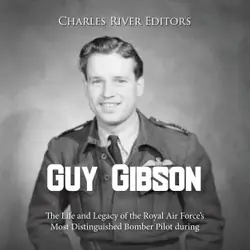
  5. Guy Gibson: The Life and Legacy of the Royal Air Force’s Most Distinguished Bomber Pilot during World War II

    Charles River Editors

  6. The Holy Roman Empire’s Conflicts with the Vatican: The History of the Medieval Wars that Fractured Germany and Italy

    Charles River Editors

  7. Sundaland: The History of the Asian Landmass that Started Sinking After the Ice Age

    Charles River Editors

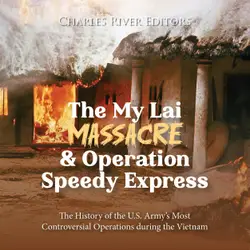
  8. The My Lai Massacre and Operation Speedy Express: The History of the U.S. Army’s Most Controversial Operations during the Vietnam War

    Charles River Editors

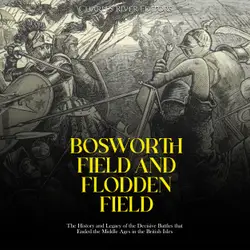
  9. Bosworth Field and Flodden Field: The History and Legacy of the Decisive Battles that Ended the Middle Ages in the British Isles

    Charles River Editors

  10. Ancient Egyptian Conspiracy Theories: The History of the Most Popular Conspiracy Theories about Egypt in Antiquity

    Charles River Editors

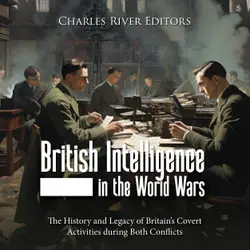
  11. British Intelligence in the World Wars: The History and Legacy of Britain’s Covert Activities during Both Conflicts

    Charles River Editors

  12. 4.0

    1914: The History and Legacy of World War I’s First Year

    Charles River Editors