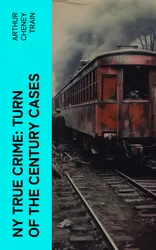
Arthur Cheney Train's 'NY True Crime: Turn of the Century Cases' delves into the fascinating world of early 20th-century crimes in New York City. The book provides a detailed analysis of various criminal cases, offering a glimpse into the societal issues and legal challenges prevalent during that time. Train's writing style is both engaging and informative, blending historical context with gripping storytelling that keeps readers hooked from beginning to end. Drawing on his legal background, Train offers unique insights into the legal procedures and challenges faced by both prosecutors and defendants in these cases, making this book a valuable resource for scholars and true crime enthusiasts alike. Throughout the book, Train also examines the cultural and societal implications of these crimes, shedding light on New York City's complex and ever-evolving criminal justice system. Arthur Cheney Train's expertise in law and passion for storytelling make 'NY True Crime: Turn of the Century Cases' a must-read for anyone interested in the history of crime and justice in early 20th-century America.
In this enriched edition, we have carefully created added value for your reading experience:
- A comprehensive Introduction outlines these selected works' unifying features, themes, or stylistic evolutions.
- A Historical Context section situates the works in their broader era—social currents, cultural trends, and key events that underpin their creation.
- A concise Synopsis (Selection) offers an accessible overview of the included texts, helping readers navigate plotlines and main ideas without revealing critical twists.
- A unified Analysis examines recurring motifs and stylistic hallmarks across the collection, tying the stories together while spotlighting the different work's strengths.
- Reflection questions inspire deeper contemplation of the author's overarching message, inviting readers to draw connections among different texts and relate them to modern contexts.
- Lastly, our hand‐picked Memorable Quotes distill pivotal lines and turning points, serving as touchstones for the collection's central themes.