The Brothers Karamazov : Enriched edition.

In "The Brothers Karamazov," Fyodor Dostoyevsky masterfully weaves a complex tapestry of philosophical discourse and deep moral inquiry through the narrative of the Karamazov family. Written in a rich, introspective prose style, the novel explores themes of faith, free will, and the nature of evil, set against the backdrop of 19th-century Russian society. Through the struggles of its characters, notably the passionate yet tormented Ivan, the innocent and philosophical Alyosha, and the conflicted Dmitri, the novel delves into existential questions that resonate through time, reflecting Dostoyevsky's own tumultuous relationship with faith and morality amidst the social upheaval of his era. Fyodor Dostoyevsky (1821-1881) was not only a literary giant but also a figure shaped by personal suffering and social critique. His experiences—ranging from his imprisonment in Siberia to grappling with poverty and illness—infused his works with a profound psychological insight. These experiences led him to interrogate the dualities of human nature, which are vividly portrayed in his characters and their philosophical dilemmas. The Karamazov brothers serve as archetypes for the moral battles he perceived in the world around him. Readers are encouraged to engage with "The Brothers Karamazov" for its rich character development and its exploration of enduring philosophical questions. This novel is essential not only for understanding Dostoyevsky's oeuvre but also for anyone seeking profound truths about the human condition, morality, and the quest for meaning in a chaotic world.

In this enriched edition, we have carefully created added value for your reading experience:

- A succinct Introduction situates the work's timeless appeal and themes.

- The Synopsis outlines the central plot, highlighting key developments without spoiling critical twists.

- A detailed Historical Context immerses you in the era's events and influences that shaped the writing.

- An Author Biography reveals milestones in the author's life, illuminating the personal insights behind the text.

- A thorough Analysis dissects symbols, motifs, and character arcs to unearth underlying meanings.

- Reflection questions prompt you to engage personally with the work's messages, connecting them to modern life.

- Hand‐picked Memorable Quotes shine a spotlight on moments of literary brilliance.

- Interactive footnotes clarify unusual references, historical allusions, and archaic phrases for an effortless, more informed read.

Kom igång med den här boken idag för 0 kr

  • Få full tillgång till alla böcker i appen under provperioden
  • Ingen bindningstid, avsluta när du vill
Prova gratis nu
Mer än 52 000 personer har gett Nextory 5 stjärnor i App Store och på Google Play.

  1. World's Greatest Sci-Fi Stories

    Daniel Defoe, Benjamin Franklin, Washington Irving, Mateo Falcone, Charlotte Bronte, Mary Shelley, Nathaniel Hawthorne, Nikolai Gogol, Edgar Allan Poe, Fyodor Dostoyevsky, Charles Dickens, Herman Melville, Mark Twain, Guy De Maupassant, Oscar Wilde, Leo Tolstoy, H.G. Wells, Ambrose Bierce, Stephen Crane, Kate Chopin, Jack London, E. M. Forster

  2. 3.6

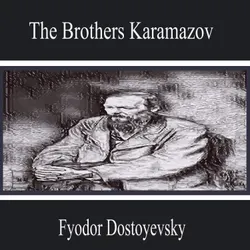
    The Brothers Karamazov

    Fyodor Dostoyevsky

  3. 3.0

    50 Masterpieces you have to read before you die vol: 1 (2020 Edition) : Included: Little Women, The Richest Man in Babylon Emma, The Call Of The Wild ....

    Louisa May Alcott, Dante Alighieri, Marcus Aurelius, Jane Austen, L. Frank Baum, Charlotte Brontë, Emily Brontë, Anne Brontë, Miguel de Cervantes, Agatha Christie, George S. Clason, Arthur Conan Doyle, Joseph Conrad, Charles Dickens, Fyodor Dostoyevsky, Alexandre Dumas, George Eliot, G.K. Chesterton, G.K. Chesterton, Zane Grey, Nathaniel Hawthorne, Napoleon Hill, Homer, Victor Hugo, Frances Hodgson Burnett, Washington Irving, Henry James, Franz Kafka, Rudyard Kipling, Jack London, Leo Tolstoy, H.P. Lovecraft, Lucy Maud Montgomery, Joseph Murphy, Robert Louis Stevenson, Edgar Allan Poe, Marcel Proust, Publius, Mary Shelley, Bram Stoker, Mark Twain, Sun Tzu, Lew Wallace, Wallace D. Wattles, H.G. Wells

  4. 50 Masterpieces you need to read

    Louisa May Alcott, Jane Austen, Joseph Conrad, D. H. Lawrence, George Eliot, Leo Tolstoy, James Joyce, Charles Dickens, Bram Stoker, Oscar Wilde, Honoré de Balzac, Edgar Rice Burroughs, Anne Brontë, Charlotte Brontë, Emily Brontë, Lewis Carroll, Willa Cather, Miguel de Cervantes, E. Cummings, Fyodor Dostoyevsky, Daniel Defoe, Arthur Conan Doyle, Alexandre Dumas, Gustave Flaubert, Henry James, Victor Hugo

  5. 4.0

    Crime and Punishment

    Fyodor Dostoyevsky

  6. 4.3

    The Brothers Karamazov

    Fyodor Dostoyevsky

  7. The Essential Classics Collection : 1984; Great Expectations; The Brothers Karamazov; Pride and Prejudice; & The War of the Worlds

    George Orwell, Fyodor Dostoyevsky, Charles Dickens, Jane Austen, H.G. Wells

  8. 4.5

    Crime and Punishment

    Fyodor Dostoyevsky

  9. 50 Masterpieces you have to read : An Unforgettable Journey into Timeless Literature - eBook Edition

    Louisa May Alcott, Jane Austen, Joseph Conrad, D. H. Lawrence, George Eliot, Leo Tolstoy, James Joyce, Charles Dickens, Bram Stoker, Oscar Wilde, Honoré de Balzac, Edgar Rice Burroughs, Anne Brontë, Charlotte Brontë, Emily Brontë, Lewis Carroll, Willa Cather, Miguel de Cervantes, E. Cummings, Fyodor Dostoyevsky, Daniel Defoe, Arthur Conan Doyle, Alexandre Dumas, Gustave Flaubert, Henry James, Victor Hugo

  10. The Brothers Karamazov

    Fyodor Dostoyevsky

  11. 50 Masterpieces You Must Read Before You Die: Volume 2 : Your Guide to the World's Must-Read Classics

    Louisa May Alcott, Jane Austen, Joseph Conrad, D. H. Lawrence, George Eliot, Leo Tolstoy, James Joyce, Charles Dickens, Bram Stoker, Oscar Wilde, Honoré de Balzac, Edgar Rice Burroughs, Anne Brontë, Charlotte Brontë, Emily Brontë, Lewis Carroll, Willa Cather, Miguel de Cervantes, E. Cummings, Fyodor Dostoyevsky, Daniel Defoe, Arthur Conan Doyle, Alexandre Dumas, Gustave Flaubert, Henry James, Victor Hugo, MyBooks Classics

  12. The Brothers Karamazov

    Fyodor Dostoyevsky