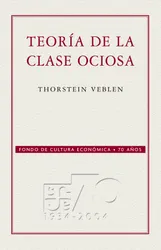
Bringing together two of Thorstein Veblen's most searching wartime and postwar interventions, The Vested Interests and the Common Man and An Inquiry into the Nature of Peace examine the conflict between ordinary productive life and the institutions that profit from scarcity, nationalism, and privilege. Written in Veblen's characteristically ironic, analytic, and unsentimental prose, these works belong to the intellectual context of Progressive Era institutional economics and the aftermath of the First World War, when capitalism, diplomacy, and empire seemed inseparable from organized violence. Veblen, the Norwegian-American economist and social critic best known for The Theory of the Leisure Class, spent his career dissecting the habits of thought that sustain modern power. His outsider's temperament, academic marginality, and deep suspicion of ceremonial authority sharpened his critique of business enterprise, patriotism, and dynastic politics. These books reflect his conviction that peace and democracy require more than goodwill: they demand institutional reconstruction. This volume is recommended for readers of political economy, social theory, and modern history who want a rigorous alternative to conventional accounts of war, markets, and progress. Veblen's arguments remain bracingly relevant wherever private advantage is confused with public good.
This enriched edition has been carefully crafted to add value to your reading experience.
- A comprehensive Introduction outlines these selected works' unifying features, themes, or stylistic evolutions.
- A Historical Context section situates the works in their broader era—social currents, cultural trends, and key events that underpin their creation.
- A concise Synopsis (Selection) offers an accessible overview of the included texts, helping readers navigate plotlines and main ideas without revealing critical twists.
- A unified Analysis examines recurring motifs and stylistic hallmarks across the collection, tying the stories together while spotlighting the different work's strengths.
- Reflection questions inspire deeper contemplation of the author's overarching message, inviting readers to draw connections among different texts and relate them to modern contexts.
- Lastly, our hand‐picked Memorable Quotes distill pivotal lines and turning points, serving as touchstones for the collection's central themes.