Il Conde

An un-named narrator describes the Count he meets at his hotel in Naples. He is a cultivated, rich, and sympathetic character, yet the narrator does not know his name or where he is from. The narrator leaves for ten days to look after a friend who is ill. When he returns the Count tells him about an unpleasant experience. The Count goes after dinner to listen to music played in a public garden. Afterwards he strolls on a darkened boulevard, where a man robs him at knife point. He gives him his money and watch, but refuses to give him his rings. Afterwards, the Count retreats to a cafe, where he sees his attacker again at a nearby table. He asks a cigarette vendor for information and is told that the young man is a university student from a very good family and the head of a Camorra (Mafia-style gang). The young man threatens to pursue him further, so the Count decides to leave Naples, even though he believes that its climate is necessary for his health. The narrator sees him off on a train bound for Vienna.
À propos de ce livre

An un-named narrator describes the Count he meets at his hotel in Naples. He is a cultivated, rich, and sympathetic character, yet the narrator does not know his name or where he is from. The narrator leaves for ten days to look after a friend who is ill. When he returns the Count tells him about an unpleasant experience. The Count goes after dinner to listen to music played in a public garden. Afterwards he strolls on a darkened boulevard, where a man robs him at knife point. He gives him his money and watch, but refuses to give him his rings. Afterwards, the Count retreats to a cafe, where he sees his attacker again at a nearby table. He asks a cigarette vendor for information and is told that the young man is a university student from a very good family and the head of a Camorra (Mafia-style gang). The young man threatens to pursue him further, so the Count decides to leave Naples, even though he believes that its climate is necessary for his health. The narrator sees him off on a train bound for Vienna.
Commencez ce livre dès aujourd'hui pour 0 €

  • Accédez à tous les livres de l'app pendant la période d'essai
  • Sans engagement, annulez à tout moment
Essayer gratuitement
Plus de 52 000 personnes ont noté Nextory 5 étoiles sur l'App Store et Google Play.

  1. Nouveau

    La Rescousse : Classbilingue n° 47

    Joseph Conrad

  2. Nouveau

    Un Proscrit des Îles (Un Paria des Îles) : Classbilingue n° 44 (Ed. 2)

    Joseph Conrad

  3. Nouveau

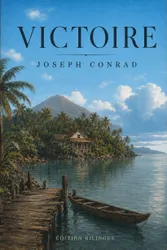
    Victoire : Classbilingue n° 39

    Joseph Conrad

  4. Nouveau

    Lord Jim : One Split-Second Decision, a Lifetime Spent Running From It

    Joseph Conrad

  5. Nouveau

    An Outcast of the Islands : One Man's Betrayal, an Island's Silence, and the Slow Collapse of Everything He Was

    Joseph Conrad

  6. Nouveau

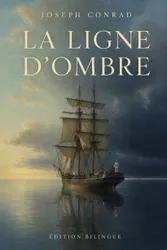
    La Ligne d'Ombre : Classbilingue n° 37

    Joseph Conrad

  7. Nouveau

    La Folie d'Almayer : Classbilingue n° 36

    Joseph Conrad

  8. Nouveau

    Tales of Unrest

    Joseph Conrad

  9. Nouveau

    Typhon et autres Histoires : Classbilingue n° 33

    Joseph Conrad

  10. Nouveau

    The Complete Novels of Joseph Conrad

    Joseph Conrad

  11. Nouveau

    50 Masterpieces you have to read before you die vol 1

    Louisa May Alcott, Jane Austen, Joseph Conrad, Edwin Abbott Abbott, George Eliot, Leo Tolstoy, James Joyce, Charles Dickens, Bram Stoker, Oscar Wilde, Honoré de Balzac, Edgar Rice Burroughs, Anne Brontë, Charlotte Brontë, Emily Brontë, Lewis Carroll, Willa Cather, Miguel de Cervantes, E. E. Cummings, Fyodor Dostoyevsky, Daniel Defoe, Arthur Conan Doyle, Alexandre Dumas, Gustave Flaubert, Henry James, Victor Hugo

  12. Nouveau

    50 Masterpieces You Must Read Before You Die : Timeless Classics That Will Enrich Your Mind and Soul

    Louisa May Alcott, Jane Austen, Joseph Conrad, D. H. Lawrence, George Eliot, Leo Tolstoy, James Joyce, Charles Dickens, Bram Stoker, Oscar Wilde, Honoré de Balzac, Edgar Rice Burroughs, Anne Brontë, Charlotte Brontë, Emily Brontë, Lewis Carroll, Willa Cather, Miguel de Cervantes, E. E. Cummings, Fyodor Dostoyevsky, Daniel Defoe, Arthur Conan Doyle, Alexandre Dumas, Gustave Flaubert, Henry James, Victor Hugo