4.0(1)

The Mill On The Floss

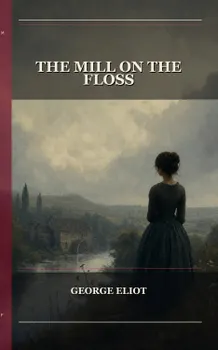
Published in 1860, The Mill on the Floss was the second novel published by George Eliot (the pen name of Mary Ann Evans). Set in the late 1820s or early 1830s, it tells the story of two young people, Tom and Maggie Tulliver, from their childhood into early adulthood. Their father, Jeremy Tulliver, owns Dorlcote Mill on the river Floss, and the children grow to adolescence in relative comfort. However Mr. Tulliver is litigious and initiates an unwise legal suit against a local solicitor, Mr. Wakem. The suit is thrown out and the associated costs throw the Tulliver family into poverty, and they lose possession of the mill. The main character of the novel is Maggie Tulliver, an intelligent and passionate child and young woman, whose mental, romantic, and moral struggles we follow closely. As in Eliot's other novels, the author shows a realistic and sympathetic understanding of human behavior. The Mill on the Floss is regarded as a classic of English literature, and has been made into both a film and a television series. George Eliot (died 1880) was one of the most distinguished authors of the Victorian age. Their work has endured across generations and continues to be read and studied worldwide. As a work of classic literary fiction, The Mill On The Floss exemplifies the narrative craft and social insight that defined great storytelling of its era. Literary fiction of this period was characterized by careful attention to character psychology, social milieu, and the moral questions that animated public discourse.
À propos de ce livre

Published in 1860, The Mill on the Floss was the second novel published by George Eliot (the pen name of Mary Ann Evans). Set in the late 1820s or early 1830s, it tells the story of two young people, Tom and Maggie Tulliver, from their childhood into early adulthood. Their father, Jeremy Tulliver, owns Dorlcote Mill on the river Floss, and the children grow to adolescence in relative comfort. However Mr. Tulliver is litigious and initiates an unwise legal suit against a local solicitor, Mr. Wakem. The suit is thrown out and the associated costs throw the Tulliver family into poverty, and they lose possession of the mill. The main character of the novel is Maggie Tulliver, an intelligent and passionate child and young woman, whose mental, romantic, and moral struggles we follow closely. As in Eliot's other novels, the author shows a realistic and sympathetic understanding of human behavior. The Mill on the Floss is regarded as a classic of English literature, and has been made into both a film and a television series. George Eliot (died 1880) was one of the most distinguished authors of the Victorian age. Their work has endured across generations and continues to be read and studied worldwide. As a work of classic literary fiction, The Mill On The Floss exemplifies the narrative craft and social insight that defined great storytelling of its era. Literary fiction of this period was characterized by careful attention to character psychology, social milieu, and the moral questions that animated public discourse.
Commencez ce livre dès aujourd'hui pour 0 €

  • Accédez à tous les livres de l'app pendant la période d'essai
  • Sans engagement, annulez à tout moment
Essayer gratuitement
Plus de 52 000 personnes ont noté Nextory 5 étoiles sur l'App Store et Google Play.

  1. Middlemarch - Livre Audio

    George Eliot, Livres audio en français

  2. Nouveau

    Middlemarch : A Study of Provincial Life — Ambition, Marriage, and Idealism in a Small English Town

    George Eliot

  3. Nouveau

    The Complete Works of George Eliot

    George Eliot

  4. Nouveau

    50 Masterpieces You Must Read Before You Die : Timeless Classics That Will Enrich Your Mind and Soul

    Louisa May Alcott, Jane Austen, Joseph Conrad, D. H. Lawrence, George Eliot, Leo Tolstoy, James Joyce, Charles Dickens, Bram Stoker, Oscar Wilde, Honoré de Balzac, Edgar Rice Burroughs, Anne Brontë, Charlotte Brontë, Emily Brontë, Lewis Carroll, Willa Cather, Miguel de Cervantes, E. E. Cummings, Fyodor Dostoyevsky, Daniel Defoe, Arthur Conan Doyle, Alexandre Dumas, Gustave Flaubert, Henry James, Victor Hugo

  5. Nouveau

    50 Masterpieces you have to read before you die vol 1

    Louisa May Alcott, Jane Austen, Joseph Conrad, Edwin Abbott Abbott, George Eliot, Leo Tolstoy, James Joyce, Charles Dickens, Bram Stoker, Oscar Wilde, Honoré de Balzac, Edgar Rice Burroughs, Anne Brontë, Charlotte Brontë, Emily Brontë, Lewis Carroll, Willa Cather, Miguel de Cervantes, E. E. Cummings, Fyodor Dostoyevsky, Daniel Defoe, Arthur Conan Doyle, Alexandre Dumas, Gustave Flaubert, Henry James, Victor Hugo

  6. 3.6

    Middlemarch

    George Eliot

  7. 50 Masterpieces you have to read before you die vol: 1

    Joseph Conrad, D. H. Lawrence, George Eliot, Leo Tolstoy, James Joyce, Charles Dickens, Jane Austen, Bram Stoker, Oscar Wilde, Louisa May Alcott, Honoré de Balzac, Edgar Rice Burroughs, Anne Brontë, Charlotte Brontë, Emily Brontë, Lewis Carroll, Willa Cather, Miguel de Cervantes, E. E. Cummings, Fyodor Dostoyevsky, Daniel Defoe, Arthur Conan Doyle, Alexandre Dumas, Gustave Flaubert, Henry James, Victor Hugo

  8. George Eliot: The Complete Works

    George Eliot

  9. 3.6

    Middlemarch

    George Eliot

  10. 50 Masterpieces you have to read before you die vol 1

    Louisa May Alcott, Jane Austen, Joseph Conrad, Edwin Abbott, George Eliot, Leo Tolstoy, James Joyce, Charles Dickens, Bram Stoker, Oscar Wilde, Honoré de Balzac, Edgar Rice Burroughs, Anne Brontë, Charlotte Brontë, Emily Brontë, Lewis Carroll, Willa Cather, Miguel de Cervantes, E. Cummings, Fyodor Dostoyevsky, Daniel Defoe, Arthur Conan Doyle, Alexandre Dumas, Gustave Flaubert, Henry James, Victor Hugo

  11. 50 Masterpieces you have to read before you die vol: 2

    Louisa May Alcott, Jane Austen, Joseph Conrad, D. H. Lawrence, George Eliot, Leo Tolstoy, James Joyce, Charles Dickens, Bram Stoker, Oscar Wilde, Honoré de Balzac, Edgar Rice Burroughs, Anne Brontë, Charlotte Brontë, Emily Brontë, Lewis Carroll, Willa Cather, Miguel de Cervantes, E. Cummings, Fyodor Dostoyevsky, Daniel Defoe, Arthur Conan Doyle, Alexandre Dumas, Gustave Flaubert, Henry James, Victor Hugo

  12. 4.0

    The Lifted Veil

    George Eliot