Between Tradition and Modernity - The Influence of Western European and Russian Art on Revolutionary China

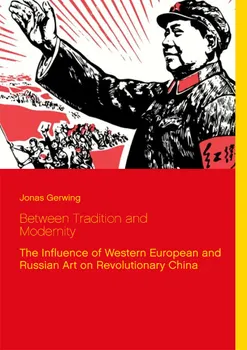
The main concern of this culture-historical study consists in the critical analysis of the evolution and development of Modern art in China following the demise of the Qing-dynasty (1911) up to the ideological dissociation of the People’s Republic from the Soviet Union during “the Great Leap Forward” (1958-62). Hereby, the focus will be put on illustrating different analytical approaches in order to understand the mechanisms of producing national culture and arts in China of the first half of the 20th century. Relating to the given topic of this analysis, the process of remodeling or modernizing Chinese national identity uttered the essential question of how artistic and cultural traditions should be perceived by the people in the future. The question remains if a specific (national) cultural identity can be created without the preservation of or self-reference to cultural heritages of the nation’s past. Following Communist ideological reasoning, the collective national identity of the Chinese society should be remodeled in the manners of Socialism. Cultural spheres created by arts and literature should, therefore, accelerate the people’s transition towards a ‘classless’ society. In its historical appearance, Mao's interpretation and perception of 'Socialism' had a lasting effect on defining or limiting the society’s collective (national) identity.
À propos de ce livre

The main concern of this culture-historical study consists in the critical analysis of the evolution and development of Modern art in China following the demise of the Qing-dynasty (1911) up to the ideological dissociation of the People’s Republic from the Soviet Union during “the Great Leap Forward” (1958-62). Hereby, the focus will be put on illustrating different analytical approaches in order to understand the mechanisms of producing national culture and arts in China of the first half of the 20th century. Relating to the given topic of this analysis, the process of remodeling or modernizing Chinese national identity uttered the essential question of how artistic and cultural traditions should be perceived by the people in the future. The question remains if a specific (national) cultural identity can be created without the preservation of or self-reference to cultural heritages of the nation’s past. Following Communist ideological reasoning, the collective national identity of the Chinese society should be remodeled in the manners of Socialism. Cultural spheres created by arts and literature should, therefore, accelerate the people’s transition towards a ‘classless’ society. In its historical appearance, Mao's interpretation and perception of 'Socialism' had a lasting effect on defining or limiting the society’s collective (national) identity.

Commencez ce livre dès aujourd'hui pour 0 €

  • Accédez à tous les livres de l'app pendant la période d'essai
  • Sans engagement, annulez à tout moment
Essayer gratuitement
Plus de 52 000 personnes ont noté Nextory 5 étoiles sur l'App Store et Google Play.