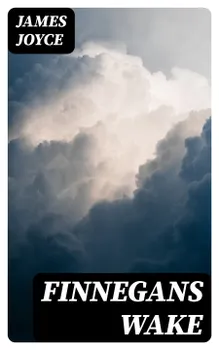
Finnegans Wake : Enriched edition. A Polyphonic Dreamscape of Multilingual Wordplay, Mythic Cycles, and Stream-of-Consciousness Experiment

James Joyce's "Finnegans Wake" is a seminal work of modernist literature that defies conventional narrative structure and employs a unique, polyphonic style characterized by its intricate puns, multilingual wordplay, and dreamlike prose. Published in 1939, this avant-garde text intricately weaves together the cycles of history, mythology, and the human experience, inviting readers to delve into the consciousness of its characters. The work operates largely as a labyrinth of language, where traditional themes are interspersed with the enigmatic, creating a rich tapestry that mirrors the architecture of the human mind and the complexities of time itself. Joyce, an Irish author whose earlier works like "Ulysses" already showcased his innovative literary techniques, pushed the boundaries further with "Finnegans Wake." His extensive knowledge of languages, history, and philosophy informed his writing, reflecting his fascination with the cyclical nature of history and the unity of human experience across epochs. The creation of this monumental text occurred over many years, during which Joyce grappled with the nuances of allowing language to transcend mere communication to embody rich, fluid meaning. Readers seeking to challenge their literary sensibilities will find "Finnegans Wake" an exhilarating journey. This book is not merely read; it is experienced. It rewards readers who approach its complexities with curiosity and openness to interpretation. An indispensable text for enthusiasts of modern literature, Joyce's magnum opus compels us to rethink the foundations of narrative and the nature of consciousness itself.

In this enriched edition, we have carefully created added value for your reading experience:

- A succinct Introduction situates the work's timeless appeal and themes.

- The Synopsis outlines the central plot, highlighting key developments without spoiling critical twists.

- A detailed Historical Context immerses you in the era's events and influences that shaped the writing.

- An Author Biography reveals milestones in the author's life, illuminating the personal insights behind the text.

- A thorough Analysis dissects symbols, motifs, and character arcs to unearth underlying meanings.

- Reflection questions prompt you to engage personally with the work's messages, connecting them to modern life.

- Hand‐picked Memorable Quotes shine a spotlight on moments of literary brilliance.

- Interactive footnotes clarify unusual references, historical allusions, and archaic phrases for an effortless, more informed read.
À propos de ce livre

James Joyce's "Finnegans Wake" is a seminal work of modernist literature that defies conventional narrative structure and employs a unique, polyphonic style characterized by its intricate puns, multilingual wordplay, and dreamlike prose. Published in 1939, this avant-garde text intricately weaves together the cycles of history, mythology, and the human experience, inviting readers to delve into the consciousness of its characters. The work operates largely as a labyrinth of language, where traditional themes are interspersed with the enigmatic, creating a rich tapestry that mirrors the architecture of the human mind and the complexities of time itself. Joyce, an Irish author whose earlier works like "Ulysses" already showcased his innovative literary techniques, pushed the boundaries further with "Finnegans Wake." His extensive knowledge of languages, history, and philosophy informed his writing, reflecting his fascination with the cyclical nature of history and the unity of human experience across epochs. The creation of this monumental text occurred over many years, during which Joyce grappled with the nuances of allowing language to transcend mere communication to embody rich, fluid meaning. Readers seeking to challenge their literary sensibilities will find "Finnegans Wake" an exhilarating journey. This book is not merely read; it is experienced. It rewards readers who approach its complexities with curiosity and openness to interpretation. An indispensable text for enthusiasts of modern literature, Joyce's magnum opus compels us to rethink the foundations of narrative and the nature of consciousness itself.

In this enriched edition, we have carefully created added value for your reading experience:

- A succinct Introduction situates the work's timeless appeal and themes.

- The Synopsis outlines the central plot, highlighting key developments without spoiling critical twists.

- A detailed Historical Context immerses you in the era's events and influences that shaped the writing.

- An Author Biography reveals milestones in the author's life, illuminating the personal insights behind the text.

- A thorough Analysis dissects symbols, motifs, and character arcs to unearth underlying meanings.

- Reflection questions prompt you to engage personally with the work's messages, connecting them to modern life.

- Hand‐picked Memorable Quotes shine a spotlight on moments of literary brilliance.

- Interactive footnotes clarify unusual references, historical allusions, and archaic phrases for an effortless, more informed read.
Commencez ce livre dès aujourd'hui pour 0 €

  • Accédez à tous les livres de l'app pendant la période d'essai
  • Sans engagement, annulez à tout moment
Essayer gratuitement
Plus de 52 000 personnes ont noté Nextory 5 étoiles sur l'App Store et Google Play.

  1. Nouveau
    3.0

    50 Masterpieces you have to read before you die vol: 2

    Lewis Carroll, Mark Twain, Jules Verne, Oscar Wilde, Arthur Conan Doyle, Louisa May Alcott, Jane Austen, G.K. Chesterton, Wilkie Collins, Charles Dickens, Fyodor Dostoyevsky, Alexandre Dumas, F. Scott Fitzgerald, E. M. Forster, Thomas Hardy, Hermann Hesse, James Joyce, Jack London, H.P. Lovecraft, Lucy Maud Montgomery, Edgar Allan Poe, Marcel Proust, William Shakespeare, Robert Louis Stevenson, H.G. Wells, Virginia Woolf, Rudyard Kipling, D. H. Lawrence, Thomas Mann, William Somerset Maugham, Herman Melville, George Sand, Mary Shelley, Walter Scott, Leo Tolstoy, Bram Stoker

  2. Ulysses

    James Joyce

  3. Ulises

    James Joyce

  4. The Essential Irish Classics Collection: 5 Timeless Novels : Ulysses; The Picture of Dorian Gray; Dracula; Dubliners; & Gulliver's Travels

    James Joyce, Oscar Wilde, Bram Stoker, Jonathan Swift

  5. The Irish Classics Collection: 9 Novels, Stories, & Poetry from James Joyce, Bram Stoker, Oscar Wilde, WB Yeats, Maria Edgeworth, & More

    James Joyce, Bram Stoker, Jonathan Swift, Oscar Wilde, W. B. Yeats, Maria Edgeworth, Sheridan Le Fanu

  6. 50 Masterpieces You Must Read Before You Die: Volume 2 : Timeless Classics That Will Enrich Your Mind and Soul

    Louisa May Alcott, Jane Austen, Joseph Conrad, D. H. Lawrence, George Eliot, Leo Tolstoy, James Joyce, Charles Dickens, Bram Stoker, Oscar Wilde, Honoré de Balzac, Edgar Rice Burroughs, Anne Brontë, Charlotte Brontë, Emily Brontë, Lewis Carroll, Willa Cather, Miguel de Cervantes, E. E. Cummings, Fyodor Dostoyevsky, Daniel Defoe, Arthur Conan Doyle, Alexandre Dumas, Gustave Flaubert, Henry James, Victor Hugo, The griffin classics

  7. Ulysses

    James Joyce

  8. 4.7

    Ulises

    James Joyce

  9. Gens de Dublin

    James Joyce

  10. 50 Masterpieces you have to read before you die vol: 1

    Louisa May Alcott, Jane Austen, Joseph Conrad, D. H. Lawrence, George Eliot, Leo Tolstoy, James Joyce, Charles Dickens, Bram Stoker, Oscar Wilde, Honoré de Balzac, Edgar Rice Burroughs, Anne Brontë, Charlotte Brontë, Emily Brontë, Lewis Carroll, Willa Cather, Miguel de Cervantes, E. Cummings, Fyodor Dostoyevsky, Daniel Defoe, Arthur Conan Doyle, Alexandre Dumas, Gustave Flaubert, Henry James, Victor Hugo

  11. 50 Masterpieces you have to read

    Louisa May Alcott, Jane Austen, Joseph Conrad, D. H. Lawrence, George Eliot, Leo Tolstoy, James Joyce, Charles Dickens, Bram Stoker, Oscar Wilde, Honoré de Balzac, Edgar Rice Burroughs, Anne Brontë, Charlotte Brontë, Emily Brontë, Lewis Carroll, Willa Cather, Miguel de Cervantes, E. Cummings, Fyodor Dostoyevsky, Daniel Defoe, Arthur Conan Doyle, Alexandre Dumas, Gustave Flaubert, Henry James, Victor Hugo

  12. 3.0

    Dubliners

    James Joyce