On Liberty

On Liberty is a philosophical work by the English philosopher John Stuart Mill, originally intended as a short essay. The work, published in 1859, applies Mill's ethical system of utilitarianism to society and the state. Mill attempts to establish standards for the relationship between authority and liberty. He emphasizes the importance of individuality which he conceived as a prerequisite to the higher pleasures—the summum bonum of Utilitarianism. Furthermore, Mill criticized the errors of past attempts to defend individuality where, for example, democratic ideals resulted in the "tyranny of the majority". Among the standards established in this work are Mill's three basic liberties of individuals, his three legitimate objections to government intervention, and his two maxims regarding the relationship of the individual to society "which together form the entire doctrine of [Mill's] Essay." On Liberty was a greatly influential and well received work, although it did not go without criticism. Some attacked it for its apparent discontinuity with Utilitarianism, while others criticized its vagueness. The ideas presented in On Liberty have remained the basis of much liberal political thought. It has remained in print continuously since its initial publication. To this day, a copy of On Liberty is passed to the president of the British Liberal Democrats as a symbol of office. A copy of the same book is also presented to and then held by the president of the Liberal Party as a symbol of office. Mill's marriage to his wife Harriet Taylor Mill greatly influenced the concepts in On Liberty, which was largely finished prior to her death, and published shortly after she died.
À propos de ce livre

On Liberty is a philosophical work by the English philosopher John Stuart Mill, originally intended as a short essay. The work, published in 1859, applies Mill's ethical system of utilitarianism to society and the state. Mill attempts to establish standards for the relationship between authority and liberty. He emphasizes the importance of individuality which he conceived as a prerequisite to the higher pleasures—the summum bonum of Utilitarianism. Furthermore, Mill criticized the errors of past attempts to defend individuality where, for example, democratic ideals resulted in the "tyranny of the majority". Among the standards established in this work are Mill's three basic liberties of individuals, his three legitimate objections to government intervention, and his two maxims regarding the relationship of the individual to society "which together form the entire doctrine of [Mill's] Essay." On Liberty was a greatly influential and well received work, although it did not go without criticism. Some attacked it for its apparent discontinuity with Utilitarianism, while others criticized its vagueness. The ideas presented in On Liberty have remained the basis of much liberal political thought. It has remained in print continuously since its initial publication. To this day, a copy of On Liberty is passed to the president of the British Liberal Democrats as a symbol of office. A copy of the same book is also presented to and then held by the president of the Liberal Party as a symbol of office. Mill's marriage to his wife Harriet Taylor Mill greatly influenced the concepts in On Liberty, which was largely finished prior to her death, and published shortly after she died.
Commencez ce livre dès aujourd'hui pour 0 €

  • Accédez à tous les livres de l'app pendant la période d'essai
  • Sans engagement, annulez à tout moment
Essayer gratuitement
Plus de 52 000 personnes ont noté Nextory 5 étoiles sur l'App Store et Google Play.

  1. The Greatest Feminist Classics in One Volume : Including 100+ Biographies & Memoirs of the Most Influential Women in History

    Jane Austen, Charlotte Brontë, Fanny Burney, Mary Wollstonecraft, Nathaniel Hawthorne, Rebecca Harding Davis, Louisa May Alcott, Henry James, Leo Tolstoy, Thomas Hardy, Elizabeth Gaskell, Charlotte Perkins Gilman, Henrik Ibsen, Kate Chopin, Grant Allen, Elizabeth Burgoyne Corbett, H.G. Wells, Gene Stratton-Porter, Willa Cather, Edith Wharton, Theodore Dreiser, Ada Cambridge, Mary Johnston, Marietta Holley, Elia Wilkinson Peattie, Virginia Woolf, Zona Gale, Elizabeth von Arnim, D. H. Lawrence, Margaret Oliphant, Lucy Maud Montgomery, Margaret Mitchell, Harriet Martineau, Nikolai Leskov, Margaret Deland, Sojourner Truth, Mary Ware Dennett, John Stuart Mill, Sarah H. Bradford, Julia Ward Howe, Elizabeth Cady Stanton, Margaret Fuller

  2. De la liberté

    John Stuart Mill

  3. Mes mémoires : Histoire de ma vie et de mes idées

    John Stuart Mill, Ligaran

  4. L'Utilitarisme

    John Stuart Mill, Ligaran

  5. L'Assujetissement des Femmes

    John Stuart Mill

  6. Nouveau

    50 Clásicos que Debes Leer Antes de Morir : Un viaje literario por los tesoros de la literatura universal

    Dante Alighieri, Aristóteles, Jane Austen, Charles Baudelaire, Giovanni Boccaccio, Anne Brontë, C. Collodi, James Fenimore Cooper, Fedor Mikhaïlovitch Dostoïevski, Arthur Conan Doyle, Alexandre Dumas, José de Espronceda, Gustave Flaubert, Sigmund Freud, Benito Pérez Galdós, Kahlil Gibran, Johann Wolfgang Goethe, Johann Wolfgang von Goethe, Victor Hugo, Thomas Hardy, Nathaniel Hawthorne, Vicente Blasco Ibáñez, Washington Irving, James Joyce, Mariano José de Larra, Jack London, Federico García Lorca, H.P. Lovecraft, Antonio Machado, Gustav Meyrink, John Stuart Mill, Amado Nervo, Friedrich Nietzsche, Solomon Northup, Alexander Sergeyevich Pushkin, Francisco de Quevedo, Walter Scott, William Shakespeare, Robert Louis Stevenson, Harriet Beecher Stowe, Jonathan Swift, Mark Twain, Miguel De Unamuno, Ramón María del Valle-Inclán, Julio Verne, Virginia Woolf

  7. Nouveau

    Utilitarismen: Nyttans princip

    John Stuart Mill

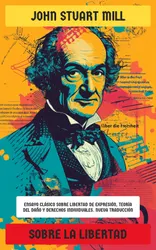
  8. Sobre la libertad : Ensayo clásico sobre libertad de expresión, teoría del daño y derechos individuales

    John Stuart Mill

  9. On Liberty

    John Stuart Mill

  10. Tres ensayos sobre la religión : La naturaleza. La utilidad de la religión. El teísmo

    John Stuart Mill

  11. 50 Clásicos que debes leer antes de morir

    Dante Alighieri, Aristóteles, Jane Austen, Charles Baudelaire, Giovanni Boccaccio, Anne Brontë, C. Collodi, James Fenimore Cooper, Fedor Mikhaïlovitch Dostoïevski, Arthur Conan Doyle, Alexandre Dumas, José de Espronceda, Gustave Flaubert, Sigmund Freud, Benito Pérez Galdós, Kahlil Gibran, Johann Wolfgang Goethe, Johann Wolfgang von Goethe, Victor Hugo, Thomas Hardy, Nathaniel Hawthorne, Vicente Blasco Ibáñez, Washington Irving, James Joyce, Mariano José de Larra, Jack London, Federico García Lorca, H.P. Lovecraft, Antonio Machado, Gustav Meyrink, John Stuart Mill, Amado Nervo, Friedrich Nietzsche, Solomon Northup, Alexander Sergeyevich Pushkin, Francisco de Quevedo, Walter Scott, William Shakespeare, Robert Louis Stevenson, Harriet Beecher Stowe, Jonathan Swift, Mark Twain, Miguel De Unamuno, Ramón María del Valle-Inclán, Julio Verne, Virginia Woolf

  12. Utilitarianism :

    John Stuart Mill