Vanity Fair

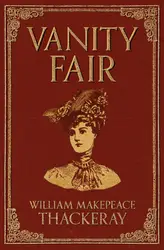
Vanity Fair is perhaps Thackeray's most famous novel. First serialized over the course of 19 volumes in Punch Magazine and first printed as a single volume in 1849, the novel cemented Thackeray's literary fame and kept him busy with frequent revisions and even lecture circuits. The story is framed as a puppet play, narrated by an unreliable narrator, that presents the story of Becky Sharp and Emmy Sedley and the people in their lives as they struggle through the Napoleonic Wars. The story itself, like many other Thackeray novels, is a satire of the lives of the Victorian English of a certain class. Thackeray packed the novel with allusions, many of which were difficult even for his contemporary readers; part of the heavy revisions he later made were making the allusions more accessible to his evolving audience. As part of his satirical bent, Thackeray made a point to make each character flawed, so that there are no "heroes" in the book—hence the subtitle "A Novel Without a Hero." Thackeray's goal was not only to entertain, but to instruct; to that end, he wanted the reader to look within themselves after finishing the unhappy conclusion, in which there's no hint as to how society might be able to improve on the evils shadowed in the events of the novel. Vanity Fair received glowing praise by its critical contemporaries, and remains a popular book well into modern times, having been adapted repeatedly for film, radio, and television. William Makepeace Thackeray (died 1863) was one of the most distinguished authors of the Victorian age. Their work has endured across generations and continues to be read and studied worldwide. As a work of classic literary fiction, Vanity Fair exemplifies the narrative craft and social insight that defined great storytelling of its era. Literary fiction of this period was characterized by careful attention to character psychology, social milieu, and the moral questions that animated public discourse.
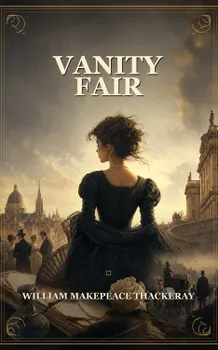
À propos de ce livre

Vanity Fair is perhaps Thackeray's most famous novel. First serialized over the course of 19 volumes in Punch Magazine and first printed as a single volume in 1849, the novel cemented Thackeray's literary fame and kept him busy with frequent revisions and even lecture circuits. The story is framed as a puppet play, narrated by an unreliable narrator, that presents the story of Becky Sharp and Emmy Sedley and the people in their lives as they struggle through the Napoleonic Wars. The story itself, like many other Thackeray novels, is a satire of the lives of the Victorian English of a certain class. Thackeray packed the novel with allusions, many of which were difficult even for his contemporary readers; part of the heavy revisions he later made were making the allusions more accessible to his evolving audience. As part of his satirical bent, Thackeray made a point to make each character flawed, so that there are no "heroes" in the book—hence the subtitle "A Novel Without a Hero." Thackeray's goal was not only to entertain, but to instruct; to that end, he wanted the reader to look within themselves after finishing the unhappy conclusion, in which there's no hint as to how society might be able to improve on the evils shadowed in the events of the novel. Vanity Fair received glowing praise by its critical contemporaries, and remains a popular book well into modern times, having been adapted repeatedly for film, radio, and television. William Makepeace Thackeray (died 1863) was one of the most distinguished authors of the Victorian age. Their work has endured across generations and continues to be read and studied worldwide. As a work of classic literary fiction, Vanity Fair exemplifies the narrative craft and social insight that defined great storytelling of its era. Literary fiction of this period was characterized by careful attention to character psychology, social milieu, and the moral questions that animated public discourse.

Commencez ce livre dès aujourd'hui pour 0 €

  • Accédez à tous les livres de l'app pendant la période d'essai
  • Sans engagement, annulez à tout moment
Essayer gratuitement
Plus de 52 000 personnes ont noté Nextory 5 étoiles sur l'App Store et Google Play.

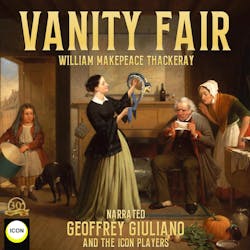
  1. Vanity Fair - Audiobook

    William Makepeace Thackeray, Classic Audiobooks

  2. Les mémoires d'un valet de pied

    William Makepeace Thackeray

  3. 100 Obras Maestras de la Literatura Universal : Edición enriquecida. Explorando la diversidad literaria a lo largo de los siglos

    Johann Wolfgang von Goethe, Gustave Flaubert, Franz Kafka, Lewis Carroll, Sigmund Freud, Henrik Ibsen, Charles Dickens, Honoré de Balzac, Mark Twain, Immanuel Kant, Friedrich Schiller, Harriet Beecher Stowe, Oscar Wilde, Robert Louis Stevenson, Edgar Allan Poe, William Shakespeare, Dante Alighieri, Giovanni Boccaccio, Bram Stoker, Charlotte Brontë, Emily Brontë, Jack London, Henry James, Louisa May Alcott, Victor Hugo, Arthur Conan Doyle, Joseph Conrad, Jane Austen, José Rizal, Edgar Rice Burroughs, Herman Melville, Jonathan Swift, Gustavo Adolfo Bécquer, Vicente Blasco Ibáñez, Benito Pérez Galdós, Jean-Jacques Rousseau, Daniel Defoe, Pedro Calderón de la Barca, Virginia Woolf, Washington Irving, Juan Valera, Horacio Quiroga, Nathaniel Hawthorne, Charles Baudelaire, Wilkie Collins, William Makepeace Thackeray, Voltaire, Apuleius, Leopoldo Alas, John Milton, José Martí, Lope de Vega, Emilio Salgari, Francisco de Quevedo, Rubén Darío, Antonio Machado, José Zorrilla, Tirso de Molina, Emilia Pardo Bazán, Fernando de Rojas, L. Frank Baum, H.G. Wells, J.M. Barrie, H. Rider Haggard, H.P. Lovecraft, Seneca, Hans Christian Andersen, Friedrich Nietzsche, Mary Shelley, Baltasar Gracián, Sófocles, Sun Tzu, Fiódor Dostoyevski, Antón Chéjov, León Tolstoi, Tomás Moro, San Agustín, Nikolái Gógol, Julio Verne, Homero, Platón, Alejandro Dumas, Aristóteles, Hermanos Grimm, Jorge Isaacs, Ignacio De Loyola, Nicolás Maquiavelo, Miguel Cervantes, Teresa de Jesús, Alejandro Dumas hijo, Mijaíl Bakunin, Miguel De Unamuno, Duque de Rivas, Ramón María del Valle-Inclán, Federico García Lorca, Gibrán Jalil Gibrán

  4. The Greatest Historical Novels of All Time : 70 Novels in One Edition: Love Through the Ages – From Ancient Egypt to the Roaring 30s

    Charlotte Brontë, Anne Brontë, Emily Brontë, Henry James, Samuel Richardson, Jane Austen, Guy De Maupassant, Thomas Hardy, Bernardin de Saint-Pierre, Edith Wharton, Maria Edgeworth, Henry Fielding, Anthony Trollope, Alexandre Dumas, Mary Wollstonecraft, Louis Hémon, Nathaniel Hawthorne, William Makepeace Thackeray, Grace Livingston Hill, Gilbert Parker, Fanny Fern, Georg Ebers, Fanny Burney, Mary Hays, Robert Williams Buchanan, Mary Angela Dickens, Madame de La Fayette, F. Scott Fitzgerald, D. K. Broster, Sabine Baring-Gould, Eliza Haywood, Leo Tolstoy, Catharine Trotter Cockburn, Lady Sydney Morgan, Pierre Choderlos de Laclos, Olifant, María Ruiz de Burton, Lady Charlotte Bury, Philip Meadows Taylor

  5. Love & Passion Through The Ages (Historical Novels Boxed-Set) : 70 Novels in One Edition: Love Through the Ages – From Ancient Egypt to the Roaring 30s

    Charlotte Brontë, Anne Brontë, Emily Brontë, Henry James, Samuel Richardson, Jane Austen, Guy De Maupassant, Thomas Hardy, Bernardin de Saint-Pierre, Edith Wharton, Maria Edgeworth, Henry Fielding, Anthony Trollope, Alexandre Dumas, Mary Wollstonecraft, Louis Hémon, Nathaniel Hawthorne, William Makepeace Thackeray, Grace Livingston Hill, Gilbert Parker, Fanny Fern, Georg Ebers, Fanny Burney, Mary Hays, Robert Williams Buchanan, Mary Angela Dickens, Madame de La Fayette, F. Scott Fitzgerald, D. K. Broster, Sabine Baring-Gould, Eliza Haywood, Leo Tolstoy, Catharine Trotter Cockburn, Lady Sydney Morgan, Pierre Choderlos de Laclos, Olifant, María Ruiz de Burton, Lady Charlotte Bury, Philip Meadows Taylor

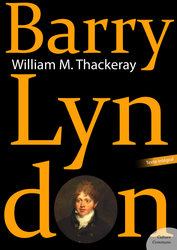
  6. Mémoires de Barry Lyndon du royaume d'Irlande

    William Makepeace Thackeray

  7. 3.0

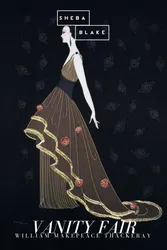
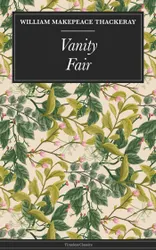
    Vanity Fair

    William Makepeace Thackeray

  8. Nouveau

    100 Clásicos de la Literatura Universal

    Francis Scott Fitzgerald, Mary Shelley, Lyman Frank Baum, Louisa May Alcott, Dante Alighieri, Jane Austen, Ambrose Bierce, Emily Brontë, Edgar Rice Burroughs, Lewis Carroll, Wilkie Collins, René Descartes, Charles Dickens, Emily Dickinson, Alexandre Dumas, Gustave Flaubert, Benito Pérez Galdós, Johann Wolfgang von Goethe, Thomas Hardy, E T A Hoffmann, Washington Irving, Henry James, James Joyce, Franz Kafka, Gaston Leroux, Federico García Lorca, H.P. Lovecraft, Publio Virgilio Marón, Lucy Maud Montgomery, John William Polidori, Marco Polo, Antoine de Saint-Exupéry, Emilio Salgari, Walter Scott, Mark Twain, Jules Verne, Julio Verne, H.G. Wells, Edith Wharton, Mary Wollstonecraft, Stefan Zweig, Sun Tzu, Bram Stoker, - Aristoteles, George Bernard Shaw, Henryk Sienkiewicz, Concepción Arenal, Charlotte Brontë, Miguel de Cervantes, G.K. Chesterton, Daniel Defoe, Fyodor Mikhailovich Dostoyevsky, Arthur Conan Doyle, Sigmund Freud, H. Rider Haggard, Homero, Immanuel Kant, Rudyard Kipling, Molière, Friedrich Nietzsche, Fernando de Rojas, Sófocles, William Makepeace Thackeray, León Tolstói, Voltaire, Ramón María del Valle-Inclán, Oscar Wilde, Virginia Woolf

  9. 100 Meisterwerke der englischen Literatur - Klassiker, die man kennen muss

    George Orwell, Charles Dickens, Jane Austen, Katherine Mansfield, H.P. Lovecraft, William Wordsworth, John Keats, Percy Bysshe Shelley, Robert Burns, John Milton, William Shakespeare, Christopher Marlowe, Geoffrey Chaucer, Laurence Sterne, Henry Fielding, Mary Shelley, Emily Brontë, Charlotte Brontë, Anne Brontë, William Makepeace Thackeray, George Eliot, D. H. Lawrence, Herman Melville, Thomas Wolfe, Virginia Woolf, Joseph Conrad, Sinclair Lewis, Walt Whitman, Edgar Allan Poe, Oscar Wilde, Jerome K Jerome, Washington Irving, Bram Stoker, H.G. Wells, Daniel Defoe, Lew Wallace, James Fenimore Cooper, Jonathan Swift, Robert Louis Stevenson, Mark Twain, Lewis Carrol, Edward Bulwer-Lytton, F. Scott Fitzgerald, Arthur Conan Doyle, Jack London, Henry David Thoreau, G.K. Chesterton, Edith Wharton, Henry James, Thomas Hardy, Margaret Mitchell, Kate Chopin, Willa Cather, Charlotte Perkins Gilman, James Joyce, John Galsworthy, Francis Hodgson Burnett, Lucy Maud Montgomery, Louisa May Alcott, Rudyard Kipling

  10. Die größten Heldinnen der Literatur (50 Romane in einem Band)

    Charlotte Brontë, Jane Austen, Louisa May Alcott, Leo Tolstoi, Virginia Woolf, Thomas Hardy, Sinclair Lewis, Hedwig Dohm, Charlotte Perkins Gilman, Elizabeth Burgoyne Corbett, Daniel Defoe, Anne Brontë, L.M. Montgomery, Victor Hugo, Wilhelmine von Hillern, Adalbert Stifter, Luise Ahlborn, George Eliot, Lou Andreas-Salomé, Stefan Zweig, D. H. Lawrence, Henry James, Margaret Mitchell, Edith Wharton, Miles Franklin, Willa Cather, Elizabeth Gaskell, Nikolai Semjonowitsch Leskow, Theodore Dreiser, Elizabeth von Arnim, Colette, Honoré de Balzac, William Makepeace Thackeray, Gustave Flaubert, Emile Zola, Theodor Fontane, Ada Langworthy Collier, Joseph Sheridan Le Fanu, Johanna Schopenhauer, Nathaniel Hawthorne, Charles Dickens

  11. Die Rebellinnen der Literatur - Klassiker, die man kennen muss

    George Sand, D. H. Lawrence, Leo Tolstoi, Elizabeth Gaskell, Charlotte Brontë, Virginia Woolf, Thomas Hardy, Sinclair Lewis, Hedwig Dohm, Charlotte Perkins Gilman, Daniel Defoe, Louisa May Alcott, Jane Austen, L.M. Montgomery, Victor Hugo, George Eliot, Stefan Zweig, Henry James, Edith Wharton, Elizabeth von Arnim, Colette, Honoré de Balzac, Gustave Flaubert, Emile Zola, Theodor Fontane, Charles Dickens, William Makepeace Thackeray, Johanna Schopenhauer, Joseph Sheridan Le Fanu