Sobre la libertad

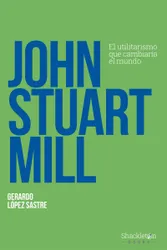
Este pequeño volumen, cuya primera edición apareció en Londres en 1859, es probablemente el libro más célebre que nunca haya sido escrito acerca del eterno problema de la libertad. Su autor es el filósofo y economista inglés John Stuart Mill (1806-1873), uno de los intelectuales líderes de su tiempo y figura sobresaliente de la filosofía utilitarista y la escuela clásica de economía. Escrito con destreza y vigor, Sobre la libertad plantea el asunto de modo aparentemente tajante: si la conducta de las personas no afecta a terceros, su libertad de pensamiento y acción debe ser completa. Gobierno, sociedad, religión, costumbre, tradición, moral, ley: ninguno de ellos tiene ningún derecho a interferir en la soberanía individual. La tesis, lógicamente, levantó controversias desde la fecha misma de su publicación, y aún hoy se analiza y se debate sobre su significando para las sociedades democráticas contemporáneas.
Kom igång med den här boken idag för 0 kr

  • Få full tillgång till alla böcker i appen under provperioden
  • Ingen bindningstid, avsluta när du vill
Prova gratis nu
Mer än 52 000 personer har gett Nextory 5 stjärnor i App Store och på Google Play.

  1. 15+ Political Science. Classics Collection : The Art of War, Tao Te Ching, The Republic, Meditations, The Prince, Utopia, Utilitarianism, Anarchism and others

    Sun Tzu, Lao Tzu, Plato, Marcus Aurelius, Niccolo Machiavelli, Thomas More, Tommaso Campanella, Francis Bacon, Thomas Paine, John Stuart Mill, Karl Marx, Friedrich Engels, Vladimir Lenin, Rosa Luxemburg, Peter Kropotkin, Emma Goldman, Leon Trotsky

  2. 12 Masterpieces You Have to Read Before You Die. Philosophy

    Niccolo Machiavelli, Tommaso Campanella, Francis Bacon, Thomas More, John Stuart Mill, Immanuel Kant, Kahlil Gibran, Leo Tolstoy, G.K. Chesterton, Henry David Thoreau

  3. The Essential Feminist Classics : Including Biographies & Memoirs of the Most Influential Women in History

    Henrik Ibsen, Charlotte Brontë, Marietta Holley, Henry James, Louisa May Alcott, John Stuart Mill, Zona Gale, Jane Austen, Thomas Hardy, Edith Wharton, Gene Stratton-Porter, Rebecca Harding Davis, Margaret Fuller, Elizabeth Cady Stanton, Elia Wilkinson Peattie, Virginia Woolf, Mary Wollstonecraft, Willa Cather, Nathaniel Hawthorne, Mary Johnston, Grant Allen, Theodore Dreiser, Kate Chopin, Sojourner Truth, Charlotte Perkins Gilman, Harriet Martineau, Fanny Burney, Mary Ware Dennett, Julia Ward Howe, Ada Cambridge, H.G. Wells, Sarah H. Bradford, D. H. Lawrence, Nikolai Leskov, Lucy Maud Montgomery, Leo Tolstoy, Margaret Deland, Elizabeth Gaskell, Margaret Oliphant, Margaret Mitchell, Elizabeth von Arnim, Elizabeth Burgoyne Corbett

  4. Om friheten

    John Stuart Mill

  5. On Liberty

    John Stuart Mill

  6. The Subjection of Women

    John Stuart Mill

  7. The Contest in America

    John Stuart Mill

  8. Utilitarianism :

    John Stuart Mill

  9. The Greatest Feminist Classics in One Volume : Including 100+ Biographies & Memoirs of the Most Influential Women in History

    Henrik Ibsen, Charlotte Brontë, Marietta Holley, Henry James, Louisa May Alcott, John Stuart Mill, Zona Gale, Jane Austen, Thomas Hardy, Edith Wharton, Gene Stratton-Porter, Rebecca Harding Davis, Margaret Fuller, Elizabeth Cady Stanton, Elia Wilkinson Peattie, Virginia Woolf, Mary Wollstonecraft, Willa Cather, Nathaniel Hawthorne, Mary Johnston, Grant Allen, Theodore Dreiser, Kate Chopin, Sojourner Truth, Charlotte Perkins Gilman, Harriet Martineau, Fanny Burney, Mary Ware Dennett, Julia Ward Howe, Ada Cambridge, H.G. Wells, Sarah H. Bradford, D. H. Lawrence, Nikolai Leskov, Lucy Maud Montgomery, Leo Tolstoy, Margaret Deland, Elizabeth Gaskell, Margaret Oliphant, Margaret Mitchell, Elizabeth von Arnim, Elizabeth Burgoyne Corbett

  10. Political Science. Classics Collection:

    Marcus Aurelius, Karl Marx, Friedrich Engels, Thomas Paine, Niccolo Machiavelli, Lao Tzu, Sun Tzu, Plato, John Stuart Mill, Vladimir Lenin, Thomas More

  11. 4.0

    On Liberty

    John Stuart Mill

  12. 4.0

    Mill's On Liberty

    John Stuart Mill