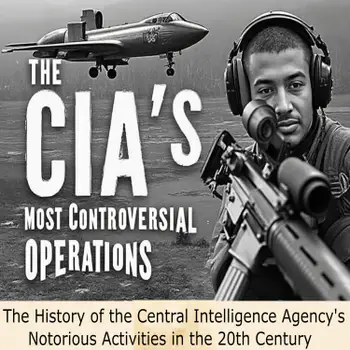
The CIA’s Most Controversial Operations: The History of the Central Intelligence Agency’s Notorious Activities in the 20th Century

Though it might be hard to believe, the Americans did not have a covert operations organization when they joined World War II, and like the British, it took them some time to realize it could be a powerful tool. As a result, the Office of Strategic Services (OSS) was not established until June 13, 1942, six months after the attack on Pearl Harbor. Nevertheless, during World War II, all the hard work in the United States led to the growth of the OSS into an organization with over 13,000 staff and 40 offices scattered across the world. Its purposes were initially similar to that of Britain’s Special Operations Executive, including espionage, sabotage, and intelligence assessments, but with time and experience, it expanded to include economic, psychological, and guerrilla warfare, as well as counter-intelligence work. And of course, it would all chart a path for the early days of America’s most famous intelligence agency, the CIA.

The agency has done some good things, and it has inarguably done some bad things. Naturally, people tend to remember the most controversial operations, from CIA-funded revolutions to the Bay of Pigs and domestic experiments such as the mysterious Project MK-Ultra. Many decisions were made, either by the agency or by those elected to give the agency direction, in the raw emotions of the Cold War, and this also colored many of the decisions. Regardless, well after Allen Dulles’ tenure as the CIA’s director, investigations uncovered the facts that the CIA did not merely operate overseas, but also conducted several operations against American citizens, which Dulles both knew about and approved.

This book looks at the operations that continue to fascinate, confuse, and disgust modern society, from the people who managed the operations to the results.
À propos de ce livre

Though it might be hard to believe, the Americans did not have a covert operations organization when they joined World War II, and like the British, it took them some time to realize it could be a powerful tool. As a result, the Office of Strategic Services (OSS) was not established until June 13, 1942, six months after the attack on Pearl Harbor. Nevertheless, during World War II, all the hard work in the United States led to the growth of the OSS into an organization with over 13,000 staff and 40 offices scattered across the world. Its purposes were initially similar to that of Britain’s Special Operations Executive, including espionage, sabotage, and intelligence assessments, but with time and experience, it expanded to include economic, psychological, and guerrilla warfare, as well as counter-intelligence work. And of course, it would all chart a path for the early days of America’s most famous intelligence agency, the CIA.

The agency has done some good things, and it has inarguably done some bad things. Naturally, people tend to remember the most controversial operations, from CIA-funded revolutions to the Bay of Pigs and domestic experiments such as the mysterious Project MK-Ultra. Many decisions were made, either by the agency or by those elected to give the agency direction, in the raw emotions of the Cold War, and this also colored many of the decisions. Regardless, well after Allen Dulles’ tenure as the CIA’s director, investigations uncovered the facts that the CIA did not merely operate overseas, but also conducted several operations against American citizens, which Dulles both knew about and approved.

This book looks at the operations that continue to fascinate, confuse, and disgust modern society, from the people who managed the operations to the results.
Commencez ce livre dès aujourd'hui pour 0 €

  • Accédez à tous les livres de l'app pendant la période d'essai
  • Sans engagement, annulez à tout moment
Essayer gratuitement
Plus de 52 000 personnes ont noté Nextory 5 étoiles sur l'App Store et Google Play.

  1. The Age of Sail’s Most Famous Battles: The History of the Naval Engagements that Shaped Europe in the Early Modern Period

    Charles River Editors

  2. The Iranian Revolution and Iran Hostage Crisis: The History of the Events that Broke American Relations with Iran

    Charles River Editors

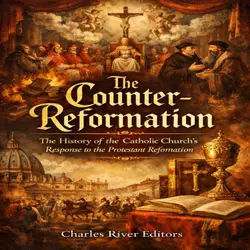
  3. The Counter-Reformation: The History of the Catholic Church’s Response to the Protestant Reformation

    Charles River Editors

  4. The Christianization of Rome: The History of the Roman Empire’s Religious Conversion

    Charles River Editors

  5. Indian Removal: The History of the Battles and Policies that Displaced Native Americans East of the Mississippi River

    Charles River Editors

  6. Persepolis and Susa: The History of the Achaemenid Persian Empire’s Capitals

    Charles River Editors

  7. Across the Silk Road and the Atlantic: The History of Marco Polo and Christopher Columbus’ Groundbreaking Voyages

    Charles River Editors

  8. Kublai Khan and Marco Polo: The History of a Unique Partnership at the Court of the Mongol Empire

    Charles River Editors

  9. The Dawn of the Age of Exploration: The History of the Initial Expeditions that Led to European Imperialism across the Globe

    Charles River Editors

  10. The Height of the Cold War: The History of the Events that Brought the Soviet Union and United States to the Brink

    Charles River Editors

  11. The Start of the Cold War: The History of the Burgeoning Rivalry Between the United States and Soviet Union

    Charles River Editors

  12. Ancient Greek Astronomy and Astrology: The History of Celestial Observations in Greece

    Charles River Editors