Boundaries Without the Speech : How to Say No Clearly Without Building a Courtroom Case

A simple refusal becomes six paragraphs long. You include the background, the circumstances, a detailed account of your workload, and enough supporting evidence to prove that no fair-minded person could object. But the explanation may not be serving clarity. It may be an attempt to obtain permission for a decision you have already made. Boundaries Without the Speech examines why overexplaining often creates more openings for debate rather than greater understanding. William R. Stanek helps you distinguish communication from justification, negotiation from notification, and explanation from enforcement. You will learn to begin with the shortest respectful answer and add only what materially changes the decision, protects you, or is required by the circumstances. Some situations involving employment, dependence, or unequal power require careful documentation. Many others do not require a closing argument before you are allowed to decline.

Tietoa kirjasta

A simple refusal becomes six paragraphs long. You include the background, the circumstances, a detailed account of your workload, and enough supporting evidence to prove that no fair-minded person could object. But the explanation may not be serving clarity. It may be an attempt to obtain permission for a decision you have already made. Boundaries Without the Speech examines why overexplaining often creates more openings for debate rather than greater understanding. William R. Stanek helps you distinguish communication from justification, negotiation from notification, and explanation from enforcement. You will learn to begin with the shortest respectful answer and add only what materially changes the decision, protects you, or is required by the circumstances. Some situations involving employment, dependence, or unequal power require careful documentation. Many others do not require a closing argument before you are allowed to decline.


  1. 29. syysk.
    #10

    Return to Yourself : Integrating Abundance, Renewal, Clarity, Sustainable Action, and Courage Into a Repeatable Return

    William R. Stanek

  2. 26. syysk.
    #10

    The Life You Are Already Living : How to Stop Postponing Meaning Until Conditions Finally Cooperate

    William R. Stanek

  3. 22. syysk.
    #9

    Legacy Begins in Ordinary Days : Understanding Legacy as the Conduct and Influence Repeated Every Day

    William R. Stanek

  4. 19. syysk.
    #9

    A Legacy Made of Ordinary Days : How Repeated Conduct Teaches and Strengthens More Than Dramatic Gestures

    William R. Stanek

  5. 15. syysk.
    #8

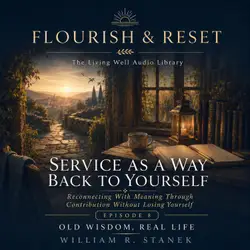
    Service as a Way Back to Yourself : Reconnecting With Meaning Through Contribution Without Losing Yourself

    William R. Stanek

  6. 12. syysk.
    #8

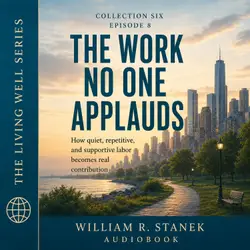
    The Work No One Applauds : How Quiet, Repetitive, and Supportive Labor Becomes Real Contribution

    William R. Stanek

  7. 8. syysk.
    #7

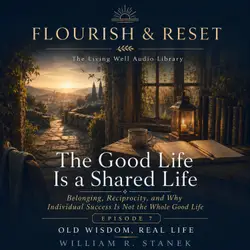
    The Good Life Is a Shared Life : Belonging, Reciprocity, and Why Individual Success Is Not the Whole Good Life

    William R. Stanek

  8. 5. syysk.
    #7

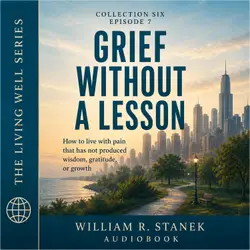
    Grief Without a Lesson : How to Live with Pain That Has Not Produced Wisdom, Gratitude, or Growth

    William R. Stanek

  9. 1. syysk.
    #6

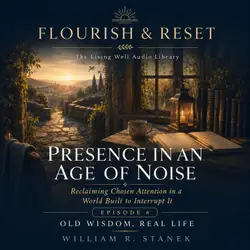
    Presence in an Age of Noise : Reclaiming Chosen Attention in a World Built to Interrupt It

    William R. Stanek

  10. 29. elok.
    #6

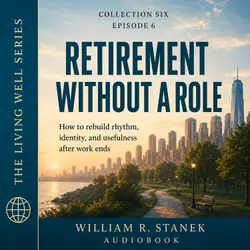
    Retirement Without a Role : How to Rebuild Rhythm, Identity, and Usefulness After Work Ends

    William R. Stanek

  11. 25. elok.
    #5

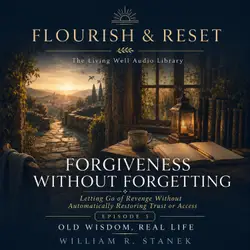
    Forgiveness Without Forgetting : Letting Go of Revenge Without Automatically Restoring Trust or Access

    William R. Stanek

  12. 22. elok.
    #5

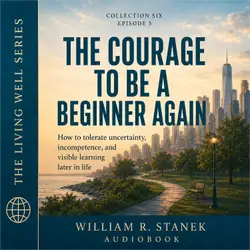
    The Courage to Be a Beginner Again : How to Tolerate Uncertainty, Incompetence, and Visible Learning Later in Life

    William R. Stanek