Kipling's Jungle Books

Both books. The Jungle Book includes 37 black-and-white illustrations. Classic Kipling animal stories and accompanying verse, including Mowgli's Brothers, Hunting-Song of the Seeonee Pack, Kaa's Hunting, Road-Song of the Bandar-Log, "Tiger! Tiger!", Mowgli's Song, The White Seal, Lukannon, "Rikki-Tikki-Tavi", Darzee's Chant, Toomai of the Elephants, Shiv and the Grasshopper, Her Majesty's Servants, and Parade Song of the Camp Animals. The Second Jungle Book includes 12 black-and-white illustrations. Classic Kipling short stories and verse, including the last of the Mowgli stories. How Fear Came, The Law of the Jungle, The Miracle of Purun Bhagat, A Song of Kabir, Letting in the Jungle, Mowgli's Song against People, The Undertakers, A Ripple Song, The King's Ankus, The Song of the Little Hunter, Quiquern, 'Angutivaun Taina', Red Dog, Chil's Song, The Spring Running, and The Outsong. According to Wikipedia: "The Jungle Book (1894) is a collection of stories by English Nobel laureate Rudyard Kipling. The stories were first published in magazines in 1893–94. The original publications contain illustrations, some by Rudyard's father, John Lockwood Kipling. Kipling was born in India and spent the first six years of his childhood there. After about ten years in England, he went back to India and worked there for about six-and-half years. These stories were written when Kipling lived in Vermont. The tales in the book (and also those in The Second Jungle Book which followed in 1895, and which includes five further stories about Mowgli) are fables, using animals in an anthropomorphic manner to give moral lessons. The verses of The Law of the Jungle, for example, lay down rules for the safety of individuals, families and communities. Kipling put in them nearly everything he knew or "heard or dreamed about the Indian jungle."[2] Other readers have interpreted the work as allegories of the politics and society of the time. The best-known of them are the three stories revolving around the adventures of an abandoned "man cub" Mowgli who is raised by wolves in the Indian jungle. The most famous of the other stories are probably "Rikki-Tikki-Tavi", the story of a heroic mongoose, and "Toomai of the Elephants", the tale of a young elephant-handler. As with much of Kipling's work, each of the stories is preceded by a piece of verse, and succeeded by another. The Jungle Book, because of its moral tone, came to be used as a motivational book by the Cub Scouts, a junior element of the Scouting movement. This use of the book's universe was approved by Kipling after a direct petition of Robert Baden-Powell, founder of the Scouting movement, who had originally asked for the author's permission for the use of the Memory Game from Kim in his scheme to develop the morale and fitness of working-class youths in cities. Akela, the head wolf in The Jungle Book, has become a senior figure in the movement, the name being traditionally adopted by the leader of each Cub Scout pack."
Tietoa kirjasta

Both books. The Jungle Book includes 37 black-and-white illustrations. Classic Kipling animal stories and accompanying verse, including Mowgli's Brothers, Hunting-Song of the Seeonee Pack, Kaa's Hunting, Road-Song of the Bandar-Log, "Tiger! Tiger!", Mowgli's Song, The White Seal, Lukannon, "Rikki-Tikki-Tavi", Darzee's Chant, Toomai of the Elephants, Shiv and the Grasshopper, Her Majesty's Servants, and Parade Song of the Camp Animals. The Second Jungle Book includes 12 black-and-white illustrations. Classic Kipling short stories and verse, including the last of the Mowgli stories. How Fear Came, The Law of the Jungle, The Miracle of Purun Bhagat, A Song of Kabir, Letting in the Jungle, Mowgli's Song against People, The Undertakers, A Ripple Song, The King's Ankus, The Song of the Little Hunter, Quiquern, 'Angutivaun Taina', Red Dog, Chil's Song, The Spring Running, and The Outsong. According to Wikipedia: "The Jungle Book (1894) is a collection of stories by English Nobel laureate Rudyard Kipling. The stories were first published in magazines in 1893–94. The original publications contain illustrations, some by Rudyard's father, John Lockwood Kipling. Kipling was born in India and spent the first six years of his childhood there. After about ten years in England, he went back to India and worked there for about six-and-half years. These stories were written when Kipling lived in Vermont. The tales in the book (and also those in The Second Jungle Book which followed in 1895, and which includes five further stories about Mowgli) are fables, using animals in an anthropomorphic manner to give moral lessons. The verses of The Law of the Jungle, for example, lay down rules for the safety of individuals, families and communities. Kipling put in them nearly everything he knew or "heard or dreamed about the Indian jungle."[2] Other readers have interpreted the work as allegories of the politics and society of the time. The best-known of them are the three stories revolving around the adventures of an abandoned "man cub" Mowgli who is raised by wolves in the Indian jungle. The most famous of the other stories are probably "Rikki-Tikki-Tavi", the story of a heroic mongoose, and "Toomai of the Elephants", the tale of a young elephant-handler. As with much of Kipling's work, each of the stories is preceded by a piece of verse, and succeeded by another. The Jungle Book, because of its moral tone, came to be used as a motivational book by the Cub Scouts, a junior element of the Scouting movement. This use of the book's universe was approved by Kipling after a direct petition of Robert Baden-Powell, founder of the Scouting movement, who had originally asked for the author's permission for the use of the Memory Game from Kim in his scheme to develop the morale and fitness of working-class youths in cities. Akela, the head wolf in The Jungle Book, has become a senior figure in the movement, the name being traditionally adopted by the leader of each Cub Scout pack."
Aloita kirja saman tien hintaan 0 €

  • Kokeilujakson aikana käytössäsi on kaikki sovelluksen kirjat
  • Ei sitoumusta, voit perua milloin vain
Kokeile nyt ilmaiseksi
Yli 52 000 ihmistä on antanut Nextorylle viisi tähteä App Storessa ja Google Playssä.

  1. 5.0

    The Power of Darkness : The Legend of Sleepy Hollow, Sweeney Todd, Frankenstein, Dracula, The Haunted House, Dead Souls…

    Wilhelm Hauff, Charles Dickens, Mark Twain, Harriet Beecher Stowe, Adelbert von Chamisso, Oscar Wilde, Robert Louis Stevenson, Edgar Allan Poe, William Hope Hodgson, Joseph Sheridan Fanu, John Buchan, Louis Tracy, Bram Stoker, Anatole France, Charlotte Brontë, Emily Brontë, Jack London, Henry James, Théophile Gautier, Arthur Conan Doyle, Richard Le Gallienne, Jane Austen, Ralph Adams Cram, Thomas De Quincey, John Meade Falkner, Guy De Maupassant, Thomas Hardy, William Archer, Daniel Defoe, John Kendrick Bangs, Cleveland Moffett, Brander Matthews, Marie Belloc Lowndes, Horace Walpole, Rudyard Kipling, Lafcadio Hearn, Hugh Walpole, Ambrose Bierce, Frederick Marryat, Ellis Parker Butler, Washington Irving, Leonid Andreyev, David Lindsay, Nathaniel Hawthorne, Grant Allen, Arthur Machen, Wilkie Collins, William Makepeace Thackeray, Thomas Peckett Prest, James Malcolm Rymer, Fergus Hume, Edward Bellamy, Walter Hubbell, Charlotte Perkins Gilman, Leopold Kompert, Richard Marsh, Florence Marryat, Catherine Crowe, John William Polidori, Vincent O'Sullivan, H.G. Wells, Robert W. Chambers, W. W. Jacobs, M.P. Shiel, E F Benson, Jerome K Jerome, M. R. James, E. T. Hoffmann, Stanley G. Weinbaum, George W. Reynolds, H.P. Lovecraft, Robert E. Howard, Edith Nesbit, Sabine Baring-Gould, William Thomas Beckford, Francis Marion Crawford, Lucy Maud Montgomery, Mary Elizabeth Braddon, Mary Louisa Molesworth, Mary E. Freeman, Nikolai Gogol, Mary Shelley, Elizabeth Gaskell, Edward Bulwer-Lytton, Frank R. Stockton, A. T. Quiller-Couch, Ann Radcliffe, Louisa M. Alcott, Amelia B. Edwards, Leonard Kip, Matthew Gregory Lewis, Fitz-James O’Brien, Katherine Rickford, Bithia Mary Croker, Catherine L. Pirkis, Émile Erckmann, Alexandre Chatrian, Pedro De Alarçon, H. H. (Saki), Pliny the Younger, Helena Blavatsky, Villiers de Adam, William F. Harvey, Fiona Macleod, William T. Stead, Gambier Bolton, Andrew Jackson Davis, Nizida, Walter F. Prince, Chester Bailey Fernando

  2. Nobel-palkinto
    5.0

    Captains Courageous

    Rudyard Kipling

  3. Nobel-palkinto
    4.5

    Kim

    Rudyard Kipling

  4. 3.0

    50 Masterpieces you have to read before you die vol: 1 (2020 Edition) : Included: Little Women, The Richest Man in Babylon Emma, The Call Of The Wild ....

    Louisa May Alcott, Dante Alighieri, Marcus Aurelius, Jane Austen, L. Frank Baum, Charlotte Brontë, Emily Brontë, Anne Brontë, Miguel de Cervantes, Agatha Christie, George S. Clason, Arthur Conan Doyle, Joseph Conrad, Charles Dickens, Fyodor Dostoyevsky, Alexandre Dumas, George Eliot, G.K. Chesterton, G.K. Chesterton, Zane Grey, Nathaniel Hawthorne, Napoleon Hill, Homer, Victor Hugo, Frances Hodgson Burnett, Washington Irving, Henry James, Franz Kafka, Rudyard Kipling, Jack London, Leo Tolstoy, H.P. Lovecraft, Lucy Maud Montgomery, Joseph Murphy, Robert Louis Stevenson, Edgar Allan Poe, Marcel Proust, Publius, Mary Shelley, Bram Stoker, Mark Twain, Sun Tzu, Lew Wallace, Wallace D. Wattles, H.G. Wells

  5. Nobel-palkinto

    Kertomuksia Intian ylängöiltä ja laaksoista

    Rudyard Kipling

  6. Nobel-palkinto
    3.7

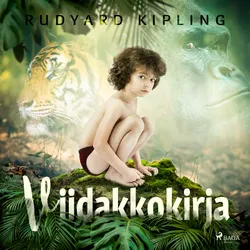
    Viidakkokirja

    Rudyard Kipling

  7. SINISTER OMENS : Victorian Ghosts, Gothic Horrors & Classic Monster Tales

    H.P. Lovecraft, H.G. Wells, Edgar Allan Poe, Henry James, Hugh Walpole, M. R. James, Wilkie Collins, E F Benson, Nathaniel Hawthorne, Ambrose Bierce, Arthur Machen, William Hope Hodgson, Arthur Conan Doyle, Grant Allen, Mary Shelley, Bram Stoker, Théophile Gautier, Richard Marsh, Joseph Sheridan Fanu, Thomas Hardy, Charles Dickens, Rudyard Kipling, Guy De Maupassant, Elizabeth Gaskell, Mark Twain, Daniel Defoe, Jerome K Jerome, Fitz-James O’Brien, Catherine Crowe, Émile Erckmann, Alexandre Chatrian, Pedro De Alarçon, Amelia B. Edwards, Washington Irving, John Meade Falkner, Harriet Beecher Stowe, Mary E. Freeman, Louisa M. Alcott, Edith Nesbit, Mary Louisa Molesworth, Francis Marion Crawford, John Kendrick Bangs, John Buchan, Sabine Baring-Gould, Cleveland Moffett, Louis Tracy, Nikolai Gogol, James Malcolm Rymer, Thomas Peckett Prest, Frederick Marryat, Oscar Wilde, Robert Louis Stevenson, Charlotte Perkins Gilman, W. W. Jacobs, Saki, Wilhelm Hauff, Mary Elizabeth Braddon, Robert W. Chambers, Edward Bulwer-Lytton, Thomas De Quincey, William Makepeace Thackeray, E. T. Hoffmann, Robert E. Howard, David Lindsay, Marie Belloc Lowndes, Edward Bellamy, Jack London, Pliny the Younger, Helena Blavatsky, Fergus Hume, Florence Marryat, Villiers de Adam, William Archer, William F. Harvey, Katherine Rickford, Ralph Adams Cram, Leopold Kompert, Brander Matthews, Vincent O'Sullivan, Ellis Parker Butler, A. T. Quiller-Couch, Fiona Macleod, Lafcadio Hearn, William T. Stead, Gambier Bolton, Andrew Jackson Davis, Nizida, Walter F. Prince, Chester Bailey Fernando, Leonard Kip, Frank R. Stockton, Bithia Mary Croker, Catherine L. Pirkis, Leonid Andreyev, Anatole France, Richard Le Gallienne, Lucy Maud Montgomery, Stanley G. Weinbaum, Horace Walpole, William Thomas Beckford, Matthew Gregory Lewis, Ann Radcliffe, Jane Austen, William Polidori, Charlotte Brontë, Emily Brontë, Walter Hubbell, George W. Reynolds, M.P. Shiel, Adelbert von Chamisso

  8. Vilhelm valloittaja : Kertomuksia Intiasta

    Rudyard Kipling

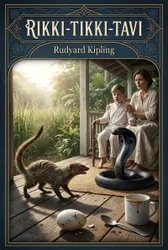
  9. Rikki-Tikki-Tavi

    Rudyard Kipling

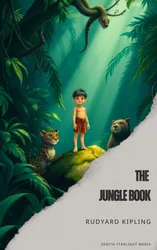
  10. The Jungle Book

    Rudyard Kipling

  11. 50 Masterpieces You Have to Read Before You Die – Volume 2

    Jerome K Jerome, Charles Kingsley, James Joyce, Rudyard Kipling, D. H. Lawrence, Sheridan Le Fanu, Oscar Wilde, H.G. Wells, Lewis Carroll, Zenith Horizon Publishing

  12. The Jungle Book : Rudyard Kipling's Adventure Classic

    Rudyard Kipling