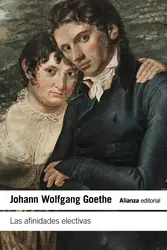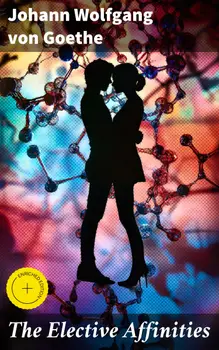
The Elective Affinities : Enriched edition. Exploring Love and Attraction in Romantic Era Germany

In "The Elective Affinities," Johann Wolfgang von Goethe intricately weaves a narrative that delves into the complexities of human relationships through the lens of scientific metaphor. The novel employs the language of chemistry as a means to explore the dynamics of passion and attraction, drawing parallels between chemical bonds and human connections. Goethe's literary style reflects the ethos of the Sturm und Drang movement, characterized by emotional intensity and philosophical depth, which provides a rich context for understanding the transformative power of love and desire. With its profound explorations of moral ambiguity and the interplay between duty and passion, the narrative invites readers to reflect on the nature of choice and consequence in their own lives. Goethe, a towering figure of German literature and thought, was deeply influenced by the Enlightenment and Romanticism. His diverse pursuits in poetry, philosophy, and natural science culminated in a quest to comprehend the human condition. "The Elective Affinities," published in 1809, emerges as a vital expression of Goethe's preoccupation with individuality and the tumult of emotional experience, shaped by his own ventures into relationships and the philosophical inquiries of his time. This timeless exploration of love's inherent conflicts and the notion of 'elective affinities' will resonate with readers seeking both intellectual engagement and emotional depth. Ideal for those interested in the intersections between literature, philosophy, and science, this novel stands as a foundation for understanding romantic complexities and the moral dilemmas that define human connection.

In this enriched edition, we have carefully created added value for your reading experience:

- A succinct Introduction situates the work's timeless appeal and themes.

- The Synopsis outlines the central plot, highlighting key developments without spoiling critical twists.

- A detailed Historical Context immerses you in the era's events and influences that shaped the writing.

- An Author Biography reveals milestones in the author's life, illuminating the personal insights behind the text.

- A thorough Analysis dissects symbols, motifs, and character arcs to unearth underlying meanings.

- Reflection questions prompt you to engage personally with the work's messages, connecting them to modern life.

- Hand‐picked Memorable Quotes shine a spotlight on moments of literary brilliance.

- Interactive footnotes clarify unusual references, historical allusions, and archaic phrases for an effortless, more informed read.
Tietoa kirjasta

In "The Elective Affinities," Johann Wolfgang von Goethe intricately weaves a narrative that delves into the complexities of human relationships through the lens of scientific metaphor. The novel employs the language of chemistry as a means to explore the dynamics of passion and attraction, drawing parallels between chemical bonds and human connections. Goethe's literary style reflects the ethos of the Sturm und Drang movement, characterized by emotional intensity and philosophical depth, which provides a rich context for understanding the transformative power of love and desire. With its profound explorations of moral ambiguity and the interplay between duty and passion, the narrative invites readers to reflect on the nature of choice and consequence in their own lives. Goethe, a towering figure of German literature and thought, was deeply influenced by the Enlightenment and Romanticism. His diverse pursuits in poetry, philosophy, and natural science culminated in a quest to comprehend the human condition. "The Elective Affinities," published in 1809, emerges as a vital expression of Goethe's preoccupation with individuality and the tumult of emotional experience, shaped by his own ventures into relationships and the philosophical inquiries of his time. This timeless exploration of love's inherent conflicts and the notion of 'elective affinities' will resonate with readers seeking both intellectual engagement and emotional depth. Ideal for those interested in the intersections between literature, philosophy, and science, this novel stands as a foundation for understanding romantic complexities and the moral dilemmas that define human connection.

In this enriched edition, we have carefully created added value for your reading experience:

- A succinct Introduction situates the work's timeless appeal and themes.

- The Synopsis outlines the central plot, highlighting key developments without spoiling critical twists.

- A detailed Historical Context immerses you in the era's events and influences that shaped the writing.

- An Author Biography reveals milestones in the author's life, illuminating the personal insights behind the text.

- A thorough Analysis dissects symbols, motifs, and character arcs to unearth underlying meanings.

- Reflection questions prompt you to engage personally with the work's messages, connecting them to modern life.

- Hand‐picked Memorable Quotes shine a spotlight on moments of literary brilliance.

- Interactive footnotes clarify unusual references, historical allusions, and archaic phrases for an effortless, more informed read.
Aloita kirja saman tien hintaan 0 €

  • Kokeilujakson aikana käytössäsi on kaikki sovelluksen kirjat
  • Ei sitoumusta, voit perua milloin vain
Kokeile nyt ilmaiseksi
Yli 52 000 ihmistä on antanut Nextorylle viisi tähteä App Storessa ja Google Playssä.

  1. 2.9

    Nuoren Wertherin kärsimykset

    Johann Wolfgang Goethe

  2. #2

    Faust 2

    Johann Wolfgang Goethe

  3. 2.5
    #1

    Faust 1

    Johann Wolfgang Goethe

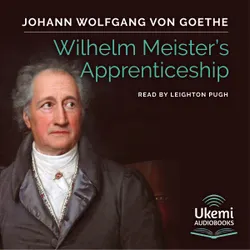
  4. Wilhelm Meister's Apprenticeship

    Johann Wolfgang Goethe

  5. 2000 Final Quotations

    Marcus Aurelius, Jane Austen, Buddha, Anton Chekhov, Cicero, Emil Cioran, Confucius, Albert Einstein, Anne Frank, Mahatma Gandhi, Johann Wolfgang Goethe, Carl Jung, Immanuel Kant, Friedrich Nietzsche, Marcel Proust, Arthur Schopenhauer, William Shakespeare, Baruch Spinoza, Leonardo da Vinci, Laozi

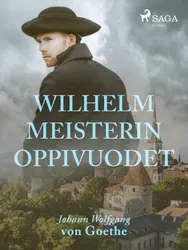
  6. Wilhelm Meisterin oppivuodet

    Johann Wolfgang Goethe

  7. 4.0

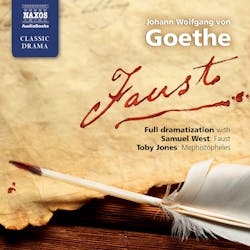
    Faust

    Johann Wolfgang Goethe

  8. 50 Clásicos que Debes Leer Antes de Morir : Un viaje literario por los tesoros de la literatura universal

    Dante Alighieri, Aristóteles, Jane Austen, Charles Baudelaire, Giovanni Boccaccio, Anne Brontë, C. Collodi, James Fenimore Cooper, Fedor Mikhaïlovitch Dostoïevski, Arthur Conan Doyle, Alexandre Dumas, José de Espronceda, Gustave Flaubert, Sigmund Freud, Benito Pérez Galdós, Kahlil Gibran, Johann Wolfgang Goethe, Johann Wolfgang von Goethe, Victor Hugo, Thomas Hardy, Nathaniel Hawthorne, Vicente Blasco Ibáñez, Washington Irving, James Joyce, Mariano José de Larra, Jack London, Federico García Lorca, H.P. Lovecraft, Antonio Machado, Gustav Meyrink, John Stuart Mill, Amado Nervo, Friedrich Nietzsche, Solomon Northup, Alexander Sergeyevich Pushkin, Francisco de Quevedo, Walter Scott, William Shakespeare, Robert Louis Stevenson, Harriet Beecher Stowe, Jonathan Swift, Mark Twain, Miguel De Unamuno, Ramón María del Valle-Inclán, Julio Verne, Virginia Woolf

  9. #54

    Epistolario estético Schiller‐Goethe : Una antología

    Friedrich Schiller, Johann Wolfgang Goethe

  10. Las afinidades electivas

    Johann Wolfgang Goethe

  11. 50 Clásicos que debes leer antes de morir

    Dante Alighieri, Aristóteles, Jane Austen, Charles Baudelaire, Giovanni Boccaccio, Anne Brontë, C. Collodi, James Fenimore Cooper, Fedor Mikhaïlovitch Dostoïevski, Arthur Conan Doyle, Alexandre Dumas, José de Espronceda, Gustave Flaubert, Sigmund Freud, Benito Pérez Galdós, Kahlil Gibran, Johann Wolfgang Goethe, Johann Wolfgang von Goethe, Victor Hugo, Thomas Hardy, Nathaniel Hawthorne, Vicente Blasco Ibáñez, Washington Irving, James Joyce, Mariano José de Larra, Jack London, Federico García Lorca, H.P. Lovecraft, Antonio Machado, Gustav Meyrink, John Stuart Mill, Amado Nervo, Friedrich Nietzsche, Solomon Northup, Alexander Sergeyevich Pushkin, Francisco de Quevedo, Walter Scott, William Shakespeare, Robert Louis Stevenson, Harriet Beecher Stowe, Jonathan Swift, Mark Twain, Miguel De Unamuno, Ramón María del Valle-Inclán, Julio Verne, Virginia Woolf

  12. 50 Clásicos que debes leer antes de morir : Las Obras Inmortales de la Literatura Universal en un Solo Volumen

    Dante Alighieri, Aristóteles, Jane Austen, Charles Baudelaire, Giovanni Boccaccio, Anne Brontë, C. Collodi, James Fenimore Cooper, Fedor Mikhaïlovitch Dostoïevski, Arthur Conan Doyle, Alexandre Dumas, José de Espronceda, Gustave Flaubert, Sigmund Freud, Benito Pérez Galdós, Kahlil Gibran, Johann Wolfgang Goethe