The Man Who Was Goethe : Enriched edition. Reflections, Correspondence & Insights from a Literary Giant

In "The Man Who Was Goethe: Memoirs, Letters & Essays," Johann Wolfgang von Goethe offers an intimate portrait of his inner life and creative journey through a compilation of personal reflections, correspondences, and philosophical essays. This rich tapestry of literary style reflects the tumultuous period of the late 18th and early 19th centuries, punctuated by the Enlightenment and Romanticism, showcasing Goethe's evolution as a thinker and writer. His prose, marked by eloquence and depth, engages the reader not only with his literary significance but also with the zeitgeist of his era, illuminating the interplay between individualism and the collective cultural narrative of his time. Goethe, a polymath whose contributions spanned poetry, drama, and natural science, was deeply influenced by his own life experiences, including his tumultuous love affairs and philosophical inquiries. His profession as a statesman and his extensive travels across Europe enriched his understanding of human nature and beauty, which permeate this work. The juxtaposition of his public persona and private thoughts in this collection reveals a profound yearning for self-knowledge and artistic mastery, reflecting the dualities inherent in his character. This book is a must-read for anyone seeking to grasp the complexities of the human experience through the lens of one of literature's greatest figures. Scholars, students, and general readers alike will find inspiration in Goethe's introspective essays and heartfelt letters, making "The Man Who Was Goethe" an essential addition to the study of literary and philosophical history.

In this enriched edition, we have carefully created added value for your reading experience:

- A comprehensive Introduction outlines these selected works' unifying features, themes, or stylistic evolutions.

- The Author Biography highlights personal milestones and literary influences that shape the entire body of writing.

- A Historical Context section situates the works in their broader era—social currents, cultural trends, and key events that underpin their creation.

- A concise Synopsis (Selection) offers an accessible overview of the included texts, helping readers navigate plotlines and main ideas without revealing critical twists.

- A unified Analysis examines recurring motifs and stylistic hallmarks across the collection, tying the stories together while spotlighting the different work's strengths.

- Reflection questions inspire deeper contemplation of the author's overarching message, inviting readers to draw connections among different texts and relate them to modern contexts.

- Lastly, our hand‐picked Memorable Quotes distill pivotal lines and turning points, serving as touchstones for the collection's central themes.
Tietoa kirjasta

In "The Man Who Was Goethe: Memoirs, Letters & Essays," Johann Wolfgang von Goethe offers an intimate portrait of his inner life and creative journey through a compilation of personal reflections, correspondences, and philosophical essays. This rich tapestry of literary style reflects the tumultuous period of the late 18th and early 19th centuries, punctuated by the Enlightenment and Romanticism, showcasing Goethe's evolution as a thinker and writer. His prose, marked by eloquence and depth, engages the reader not only with his literary significance but also with the zeitgeist of his era, illuminating the interplay between individualism and the collective cultural narrative of his time. Goethe, a polymath whose contributions spanned poetry, drama, and natural science, was deeply influenced by his own life experiences, including his tumultuous love affairs and philosophical inquiries. His profession as a statesman and his extensive travels across Europe enriched his understanding of human nature and beauty, which permeate this work. The juxtaposition of his public persona and private thoughts in this collection reveals a profound yearning for self-knowledge and artistic mastery, reflecting the dualities inherent in his character. This book is a must-read for anyone seeking to grasp the complexities of the human experience through the lens of one of literature's greatest figures. Scholars, students, and general readers alike will find inspiration in Goethe's introspective essays and heartfelt letters, making "The Man Who Was Goethe" an essential addition to the study of literary and philosophical history.

In this enriched edition, we have carefully created added value for your reading experience:

- A comprehensive Introduction outlines these selected works' unifying features, themes, or stylistic evolutions.

- The Author Biography highlights personal milestones and literary influences that shape the entire body of writing.

- A Historical Context section situates the works in their broader era—social currents, cultural trends, and key events that underpin their creation.

- A concise Synopsis (Selection) offers an accessible overview of the included texts, helping readers navigate plotlines and main ideas without revealing critical twists.

- A unified Analysis examines recurring motifs and stylistic hallmarks across the collection, tying the stories together while spotlighting the different work's strengths.

- Reflection questions inspire deeper contemplation of the author's overarching message, inviting readers to draw connections among different texts and relate them to modern contexts.

- Lastly, our hand‐picked Memorable Quotes distill pivotal lines and turning points, serving as touchstones for the collection's central themes.
Aloita kirja saman tien hintaan 0 €

  • Kokeilujakson aikana käytössäsi on kaikki sovelluksen kirjat
  • Ei sitoumusta, voit perua milloin vain
Kokeile nyt ilmaiseksi
Yli 52 000 ihmistä on antanut Nextorylle viisi tähteä App Storessa ja Google Playssä.

  1. 2.9

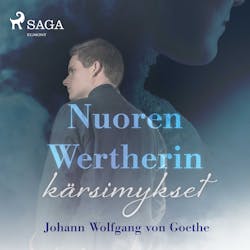
    Nuoren Wertherin kärsimykset

    Johann Wolfgang Goethe

  2. #2

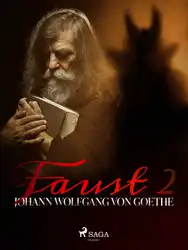
    Faust 2

    Johann Wolfgang Goethe

  3. 2.5
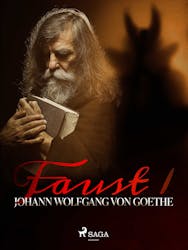
    #1

    Faust 1

    Johann Wolfgang Goethe

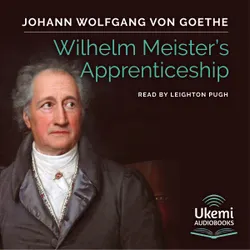
  4. Wilhelm Meister's Apprenticeship

    Johann Wolfgang Goethe

  5. 2000 Final Quotations

    Marcus Aurelius, Jane Austen, Buddha, Anton Chekhov, Cicero, Emil Cioran, Confucius, Albert Einstein, Anne Frank, Mahatma Gandhi, Johann Wolfgang Goethe, Carl Jung, Immanuel Kant, Friedrich Nietzsche, Marcel Proust, Arthur Schopenhauer, William Shakespeare, Baruch Spinoza, Leonardo da Vinci, Laozi

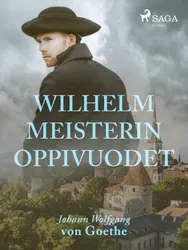
  6. Wilhelm Meisterin oppivuodet

    Johann Wolfgang Goethe

  7. 4.0

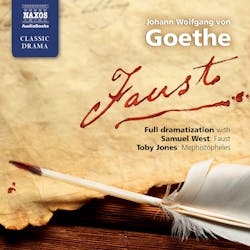
    Faust

    Johann Wolfgang Goethe

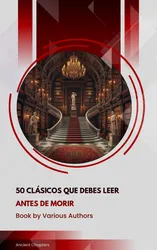
  8. 50 Clásicos que Debes Leer Antes de Morir : Un viaje literario por los tesoros de la literatura universal

    Dante Alighieri, Aristóteles, Jane Austen, Charles Baudelaire, Giovanni Boccaccio, Anne Brontë, C. Collodi, James Fenimore Cooper, Fedor Mikhaïlovitch Dostoïevski, Arthur Conan Doyle, Alexandre Dumas, José de Espronceda, Gustave Flaubert, Sigmund Freud, Benito Pérez Galdós, Kahlil Gibran, Johann Wolfgang Goethe, Johann Wolfgang von Goethe, Victor Hugo, Thomas Hardy, Nathaniel Hawthorne, Vicente Blasco Ibáñez, Washington Irving, James Joyce, Mariano José de Larra, Jack London, Federico García Lorca, H.P. Lovecraft, Antonio Machado, Gustav Meyrink, John Stuart Mill, Amado Nervo, Friedrich Nietzsche, Solomon Northup, Alexander Sergeyevich Pushkin, Francisco de Quevedo, Walter Scott, William Shakespeare, Robert Louis Stevenson, Harriet Beecher Stowe, Jonathan Swift, Mark Twain, Miguel De Unamuno, Ramón María del Valle-Inclán, Julio Verne, Virginia Woolf

  9. #54

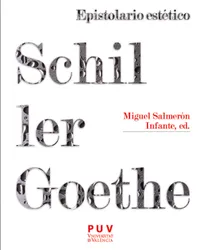
    Epistolario estético Schiller‐Goethe : Una antología

    Friedrich Schiller, Johann Wolfgang Goethe

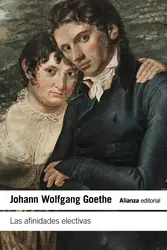
  10. Las afinidades electivas

    Johann Wolfgang Goethe

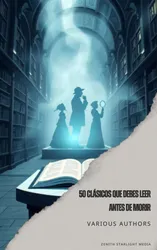
  11. 50 Clásicos que debes leer antes de morir

    Dante Alighieri, Aristóteles, Jane Austen, Charles Baudelaire, Giovanni Boccaccio, Anne Brontë, C. Collodi, James Fenimore Cooper, Fedor Mikhaïlovitch Dostoïevski, Arthur Conan Doyle, Alexandre Dumas, José de Espronceda, Gustave Flaubert, Sigmund Freud, Benito Pérez Galdós, Kahlil Gibran, Johann Wolfgang Goethe, Johann Wolfgang von Goethe, Victor Hugo, Thomas Hardy, Nathaniel Hawthorne, Vicente Blasco Ibáñez, Washington Irving, James Joyce, Mariano José de Larra, Jack London, Federico García Lorca, H.P. Lovecraft, Antonio Machado, Gustav Meyrink, John Stuart Mill, Amado Nervo, Friedrich Nietzsche, Solomon Northup, Alexander Sergeyevich Pushkin, Francisco de Quevedo, Walter Scott, William Shakespeare, Robert Louis Stevenson, Harriet Beecher Stowe, Jonathan Swift, Mark Twain, Miguel De Unamuno, Ramón María del Valle-Inclán, Julio Verne, Virginia Woolf

  12. 50 Clásicos que debes leer antes de morir : Las Obras Inmortales de la Literatura Universal en un Solo Volumen

    Dante Alighieri, Aristóteles, Jane Austen, Charles Baudelaire, Giovanni Boccaccio, Anne Brontë, C. Collodi, James Fenimore Cooper, Fedor Mikhaïlovitch Dostoïevski, Arthur Conan Doyle, Alexandre Dumas, José de Espronceda, Gustave Flaubert, Sigmund Freud, Benito Pérez Galdós, Kahlil Gibran, Johann Wolfgang Goethe