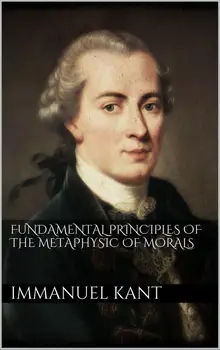
Fundamental Principles of the Metaphysic of Morals

Ancient Greek philosophy was divided into three sciences: physics, ethics, and logic. This division is perfectly suitable to the nature of the thing; and the only improvement that can be made in it is to add the principle on which it is based, so that we may both satisfy ourselves of its completeness, and also be able to determine correctly the necessary subdivisions.

All rational knowledge is either material or formal: the former considers some object, the latter is concerned only with the form of the understanding and of the reason itself, and with the universal laws of thought in general without distinction of its objects. Formal philosophy is called logic. Material philosophy, however, has to do with determinate objects and the laws to which they are subject, is again twofold; for these laws are either laws of nature or of freedom. The science of the former is physics, that of the latter, ethics; they are also called natural philosophy and moral philosophy respectively.

Commencez ce livre dès aujourd’hui pour 0 €

  • Accédez à tous les livres de l'app pendant la période d'essai
  • Sans engagement, annulez à tout moment
Essayer gratuitement
Plus de 52 000 personnes ont noté Nextory 5 étoiles sur l'App Store et Google Play.

  1. 50 Meisterwerke der Philosophie : Metaphysik, Das Gastmahl, Bhagavadgita, Tractatus logico-philosophicus, Kritik der reinen Vernunft, Also sprach Zarathustra, Selbstbetrachtungen von Marcus Aurelius

    Ludwig Wittgenstein, Edmund Husserl, Karl Marx, Søren Kierkegaard, Friedrich Nietzsche, Ralph Waldo Emerson, John Stuart Mill, Georg Wilhelm Friedrich Hegel, Friedrich Schelling, Johann Gottlieb Fichte, Immanuel Kant, John Locke, Montesquieu, Jean-Jacques Rousseau, David Hume, Gottfried Wilhelm Leibniz, Baruch Spinoza, - Konfuzius, Lao Tse, Platon, Xenophon, - Aristoteles, Marcus Tullius Cicero, Seneca, Epiktet, Marc Aurel, Plotin, Thomas von Aquin, Nicolaus von Cues, - Erasmus von Rotterdam, Niccolò Machiavelli, Tommaso Campanella, Martin Luther, Giordano Bruno, Samuel von Pufendorf, Abbé Castel de Saint-Pierre, Michel de Montaigne, René Descartes, Francis Bacon, Blaise Pascal

  2. 100 Obras Maestras de la Literatura Universal : Edición enriquecida. Explorando la diversidad literaria a lo largo de los siglos

    Johann Wolfgang von Goethe, Gustave Flaubert, Franz Kafka, Lewis Carroll, Sigmund Freud, Henrik Ibsen, Charles Dickens, Honoré de Balzac, Mark Twain, Immanuel Kant, Friedrich Schiller, Harriet Beecher Stowe, Oscar Wilde, Robert Louis Stevenson, Edgar Allan Poe, William Shakespeare, Dante Alighieri, Giovanni Boccaccio, Bram Stoker, Charlotte Brontë, Emily Brontë, Jack London, Henry James, Louisa May Alcott, Victor Hugo, Arthur Conan Doyle, Joseph Conrad, Jane Austen, José Rizal, Edgar Rice Burroughs, Herman Melville, Jonathan Swift, Gustavo Adolfo Bécquer, Vicente Blasco Ibáñez, Benito Pérez Galdós, Jean-Jacques Rousseau, Daniel Defoe, Pedro Calderón de la Barca, Virginia Woolf, Washington Irving, Juan Valera, Horacio Quiroga, Nathaniel Hawthorne, Charles Baudelaire, Wilkie Collins, William Makepeace Thackeray, Voltaire, Apuleius, Leopoldo Alas, John Milton, José Martí, Lope de Vega, Emilio Salgari, Francisco de Quevedo, Rubén Darío, Antonio Machado, José Zorrilla, Tirso de Molina, Emilia Pardo Bazán, Fernando de Rojas, L. Frank Baum, H.G. Wells, J.M. Barrie, H. Rider Haggard, H.P. Lovecraft, Seneca, Hans Christian Andersen, Friedrich Nietzsche, Mary Shelley, Baltasar Gracián, Sófocles, Sun Tzu, Fiódor Dostoyevski, Antón Chéjov, León Tolstoi, Tomás Moro, San Agustín, Nikolái Gógol, Julio Verne, Homero, Platón, Alejandro Dumas, Aristóteles, Hermanos Grimm, Jorge Isaacs, Ignacio De Loyola, Nicolás Maquiavelo, Miguel Cervantes, Teresa de Jesús, Alejandro Dumas hijo, Mijaíl Bakunin, Miguel De Unamuno, Duque de Rivas, Ramón María del Valle-Inclán, Federico García Lorca, Gibrán Jalil Gibrán

  3. 101 Libros Imprescindibles Para Leer En Tu Vida : Edición enriquecida. Explorando la vastedad literaria a través de 101 obras imprescindibles

    Franz Kafka, Lewis Carroll, Henrik Ibsen, Mark Twain, Immanuel Kant, Harriet Beecher Stowe, Oscar Wilde, Robert Louis Stevenson, Edgar Allan Poe, William Shakespeare, Dante Alighieri, Giovanni Boccaccio, Bram Stoker, Emily Brontë, Jack London, Victor Hugo, Arthur Conan Doyle, Jane Austen, Herman Melville, Gustavo Adolfo Bécquer, Vicente Blasco Ibáñez, Benito Pérez Galdós, Jean-Jacques Rousseau, Washington Irving, Juan Valera, Horacio Quiroga, Charles Baudelaire, Voltaire, Leopoldo Alas, John Milton, José Martí, Rubén Darío, Antonio Machado, Emilia Pardo Bazán, L. Frank Baum, H.G. Wells, H.P. Lovecraft, Seneca, Hans Christian Andersen, Friedrich Nietzsche, Mary Shelley, Sófocles, Sun Tzu, Antón Chéjov, León Tolstoi, Tomás Moro, San Agustín, Julio Verne, Homero, Platón, Hermanos Grimm, Jorge Isaacs, Ignacio De Loyola, Nicolás Maquiavelo, Miguel Cervantes, Teresa de Jesús, Miguel De Unamuno, Duque de Rivas, Ramón María del Valle-Inclán, Federico García Lorca, Gibrán Jalil Gibrán

  4. 2000 Final Quotations

    Marcus Aurelius, Jane Austen, Buddha, Anton Chekhov, Cicero, Emil Cioran, Confucius, Albert Einstein, Anne Frank, Mahatma Gandhi, Johann Wolfgang Goethe, Carl Jung, Immanuel Kant, Friedrich Nietzsche, Marcel Proust, Arthur Schopenhauer, William Shakespeare, Baruch Spinoza, Leonardo da Vinci, Laozi

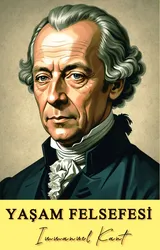
  5. Yaşam Felsefesi

    Immanuel Kant

  6. Was ist Aufklärung? Ein philosophischer Essay. : Hörbuchzeit: Klassiker der Weltliteratur

    Hörbuchzeit, Immanuel Kant

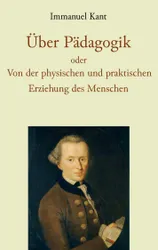
  7. Über Pädagogik oder Von der physischen und praktischen Erziehung des Menschen

    Immanuel Kant

  8. La Paz Perpetua :

    Immanuel Kant

  9. 12 Masterpieces You Have to Read Before You Die. Philosophy

    Niccolo Machiavelli, Tommaso Campanella, Francis Bacon, Thomas More, John Stuart Mill, Immanuel Kant, Kahlil Gibran, Leo Tolstoy, G.K. Chesterton, Henry David Thoreau

  10. Crítica de la Razón Pura

    Immanuel Kant

  11. 2.5

    An Answer to the Question: What is Enlightenment?

    Immanuel Kant

  12. #777

    Preisschrift über die Fortschritte der Metaphysik

    Immanuel Kant


Catégories associées