The Vocation of Man : Enriched edition.

In "The Vocation of Man," Johann Gottlieb Fichte presents a profound exploration of human purpose and self-realization, articulated through a series of philosophical discourses. Employing a clear yet passionate prose style, Fichte engages with Enlightenment ideals while also carving a distinctive path through German Idealism. The book is structured as a dialogue between a teacher and a student, enabling the nuanced interplay of thought that encourages readers to confront their own existential inquiries. Within the context of early 19th-century philosophy, Fichte's work addresses the pivotal themes of individual freedom, ethical responsibility, and the interplay between the self and the absolute. Fichte, a central figure in German philosophy, evolved from the influence of Kant, seeking to articulate a system that emphasizes the role of the self in the creation of meaning. His own experiences—his education and reflection upon the nature of consciousness—were instrumental in shaping his ideas. Fichte's understanding of human vocation was deeply rooted in the socio-political currents of his time, which challenged individuals to pursue moral and intellectual autonomy amid the turbulent backdrop of the Napoleonic Wars. This book is highly recommended for readers interested in philosophy, ethics, and the human condition. Fichte's philosophical vision prompts an enlightening examination of our own vocations and the responsibilities that accompany them. "The Vocation of Man" is not only a significant philosophical text but also an invitation to engage deeply with one's purpose in a complex world.

In this enriched edition, we have carefully created added value for your reading experience:

- A succinct Introduction situates the work's timeless appeal and themes.

- The Synopsis outlines the central plot, highlighting key developments without spoiling critical twists.

- A detailed Historical Context immerses you in the era's events and influences that shaped the writing.

- An Author Biography reveals milestones in the author's life, illuminating the personal insights behind the text.

- A thorough Analysis dissects symbols, motifs, and character arcs to unearth underlying meanings.

- Reflection questions prompt you to engage personally with the work's messages, connecting them to modern life.

- Hand‐picked Memorable Quotes shine a spotlight on moments of literary brilliance.

- Interactive footnotes clarify unusual references, historical allusions, and archaic phrases for an effortless, more informed read.

Commencez ce livre dès aujourd’hui pour 0 €

  • Accédez à tous les livres de l'app pendant la période d'essai
  • Sans engagement, annulez à tout moment
Essayer gratuitement
Plus de 52 000 personnes ont noté Nextory 5 étoiles sur l'App Store et Google Play.

  1. 50 Meisterwerke der Philosophie : Metaphysik, Das Gastmahl, Bhagavadgita, Tractatus logico-philosophicus, Kritik der reinen Vernunft, Also sprach Zarathustra, Selbstbetrachtungen von Marcus Aurelius

    Ludwig Wittgenstein, Edmund Husserl, Karl Marx, Søren Kierkegaard, Friedrich Nietzsche, Ralph Waldo Emerson, John Stuart Mill, Georg Wilhelm Friedrich Hegel, Friedrich Schelling, Johann Gottlieb Fichte, Immanuel Kant, John Locke, Montesquieu, Jean-Jacques Rousseau, David Hume, Gottfried Wilhelm Leibniz, Baruch Spinoza, - Konfuzius, Lao Tse, Platon, Xenophon, - Aristoteles, Marcus Tullius Cicero, Seneca, Epiktet, Marc Aurel, Plotin, Thomas von Aquin, Nicolaus von Cues, - Erasmus von Rotterdam, Niccolò Machiavelli, Tommaso Campanella, Martin Luther, Giordano Bruno, Samuel von Pufendorf, Abbé Castel de Saint-Pierre, Michel de Montaigne, René Descartes, Francis Bacon, Blaise Pascal

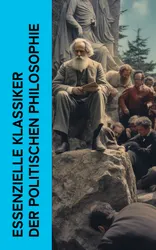
  2. Essenzielle Klassiker der politischen Philosophie : Der Staat, Der Gesellschaftsvertrag, Der Fürst, Utopia, Manifest der Kommunistischen Partei, Geschichte der Socialdemokratie

    Niccolò Machiavelli, Montesquieu, Friedrich der Große, Platon, - Aristoteles, Marcus Tullius Cicero, Tommaso Campanella, Thomas Morus, Samuel von Pufendorf, Abbé Castel de Saint-Pierre, Jean-Jacques Rousseau, Immanuel Kant, Johann Gottlieb Fichte, Karl Marx, Friedrich Engels, Wilhelm von Humboldt, Friedrich Christoph Dahlmann, Franz Mehring, Johann Most, John Henry Mackay, Rosa Luxemburg, Erich Mühsam

  3. Grundwerke der politischen Philosophie : Der Staat, Der Gesellschaftsvertrag, Der Fürst, Utopia, Manifest der Kommunistischen Partei, Geschichte der Socialdemokratie, Parlamentarischer Kretenismus

    Platon, - Aristoteles, Marcus Tullius Cicero, Niccolò Machiavelli, Tommaso Campanella, Thomas Morus, Samuel von Pufendorf, Abbé Castel de Saint-Pierre, Jean-Jacques Rousseau, Montesquieu, Immanuel Kant, Friedrich der Große, Johann Gottlieb Fichte, Karl Marx, Friedrich Engels, Wilhelm von Humboldt, Friedrich Christoph Dahlmann, Franz Mehring, Johann Most, John Henry Mackay, Rosa Luxemburg, Erich Mühsam

  4. Die größten Philosophen des Deutschen Idealismus : Die wichtigsten Werke von Kant, Hegel, Schelling, Jacobi, Fichte und Schleiermacher

    Immanuel Kant, Johann Gottlieb Fichte, Georg Wilhelm Hegel, Friedrich Schelling, Friedrich Schleiermacher

  5. Philosophie des Deutschen Idealismus : Die Quelle der ewigen Wahrheiten, Kritik der reinen Vernunft, Wissenschaft der Logik, Grundlage der gesamten Wissenschaftslehre

    Georg Wilhelm Hegel, Johann Gottlieb Fichte, Immanuel Kant, Friedrich Schelling, Friedrich Schleiermacher

  6. Grundlage der gesamten Wissenschaftslehre (Alle 3 Bände) : Bereicherte Ausgabe. Der Grund der Selbsterkenntnis und Gotteserkenntnis (Eines der zentralen Werke im nachkantischen Idealismus)

    Johann Gottlieb Fichte

  7. Facts of Consciousness

    Johann Gottlieb Fichte

  8. The Vocation of the Scholar

    Johann Gottlieb Fichte

  9. The Vocation of Man

    Johann Gottlieb Fichte

  10. Grundlage der gesamten Wissenschaftslehre (Alle 3 Bände) : Der Grund der Selbsterkenntnis und Gotteserkenntnis (Eines der zentralen Werke im nachkantischen Idealismus)

    Johann Gottlieb Fichte

  11. The Vocation of the Scholar : Enriched edition.

    Johann Gottlieb Fichte

  12. Der geschlossene Handelsstaat

    Johann Gottlieb Fichte


Catégories associées