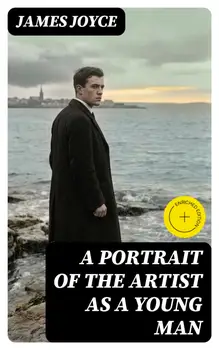
A Portrait of the Artist as a Young Man : Enriched edition.

James Joyce's "A Portrait of the Artist as a Young Man" is a seminal coming-of-age novel that captures the intricate psychological journey of Stephen Dedalus, a young man grappling with his identity and artistic ambitions in late 19th-century Ireland. Employing a stream-of-consciousness narrative style, Joyce intricately weaves together the character's profound inner thoughts, emotions, and experiences, reflecting both the influence of his Catholic upbringing and the restrictive cultural norms of his environment. The novel is often situated within the modernist movement, as it challenges traditional narrative forms and explores themes of individuality, rebellion, and the quest for self-expression. James Joyce, an influential figure in modernist literature, wrote this semi-autobiographical work, drawing on aspects of his own early life and experiences in Dublin. His struggles with conformity, spirituality, and artistic vocation resonate deeply throughout the text, reflecting Joyce's discontent with the ecclesiastical and societal structures that sought to confine his creative spirit. An expatriate, Joyce ultimately embraced the role of the artist as a rebellious figure against the backdrop of his homeland. I recommend "A Portrait of the Artist as a Young Man" for readers seeking to understand the complexities of identity formation and the tension between personal desires and societal expectations. Joyce's innovative approach to narrative and language not only illuminates the artist's development but also invites readers to contemplate their own journeys of self-discovery amidst a world of constraints.

In this enriched edition, we have carefully created added value for your reading experience:

- A succinct Introduction situates the work's timeless appeal and themes.

- The Synopsis outlines the central plot, highlighting key developments without spoiling critical twists.

- A detailed Historical Context immerses you in the era's events and influences that shaped the writing.

- An Author Biography reveals milestones in the author's life, illuminating the personal insights behind the text.

- A thorough Analysis dissects symbols, motifs, and character arcs to unearth underlying meanings.

- Reflection questions prompt you to engage personally with the work's messages, connecting them to modern life.

- Hand‐picked Memorable Quotes shine a spotlight on moments of literary brilliance.

- Interactive footnotes clarify unusual references, historical allusions, and archaic phrases for an effortless, more informed read.
Om denne boken

James Joyce's "A Portrait of the Artist as a Young Man" is a seminal coming-of-age novel that captures the intricate psychological journey of Stephen Dedalus, a young man grappling with his identity and artistic ambitions in late 19th-century Ireland. Employing a stream-of-consciousness narrative style, Joyce intricately weaves together the character's profound inner thoughts, emotions, and experiences, reflecting both the influence of his Catholic upbringing and the restrictive cultural norms of his environment. The novel is often situated within the modernist movement, as it challenges traditional narrative forms and explores themes of individuality, rebellion, and the quest for self-expression. James Joyce, an influential figure in modernist literature, wrote this semi-autobiographical work, drawing on aspects of his own early life and experiences in Dublin. His struggles with conformity, spirituality, and artistic vocation resonate deeply throughout the text, reflecting Joyce's discontent with the ecclesiastical and societal structures that sought to confine his creative spirit. An expatriate, Joyce ultimately embraced the role of the artist as a rebellious figure against the backdrop of his homeland. I recommend "A Portrait of the Artist as a Young Man" for readers seeking to understand the complexities of identity formation and the tension between personal desires and societal expectations. Joyce's innovative approach to narrative and language not only illuminates the artist's development but also invites readers to contemplate their own journeys of self-discovery amidst a world of constraints.

In this enriched edition, we have carefully created added value for your reading experience:

- A succinct Introduction situates the work's timeless appeal and themes.

- The Synopsis outlines the central plot, highlighting key developments without spoiling critical twists.

- A detailed Historical Context immerses you in the era's events and influences that shaped the writing.

- An Author Biography reveals milestones in the author's life, illuminating the personal insights behind the text.

- A thorough Analysis dissects symbols, motifs, and character arcs to unearth underlying meanings.

- Reflection questions prompt you to engage personally with the work's messages, connecting them to modern life.

- Hand‐picked Memorable Quotes shine a spotlight on moments of literary brilliance.

- Interactive footnotes clarify unusual references, historical allusions, and archaic phrases for an effortless, more informed read.
Kom i gang med denne boken i dag for 0 kr

  • Få full tilgang til alle bøkene i appen i prøveperioden
  • Ingen forpliktelser, si opp når du vil
Prøv gratis nå
Mer enn 52 000 personer har gitt Nextory 5 stjerner på App Store og Google Play.

  1. 50 Masterpieces you have to read before you die vol 1

    Louisa May Alcott, Jane Austen, Joseph Conrad, Edwin Abbott, George Eliot, Leo Tolstoy, James Joyce, Charles Dickens, Bram Stoker, Oscar Wilde, Honoré de Balzac, Edgar Rice Burroughs, Anne Brontë, Charlotte Brontë, Emily Brontë, Lewis Carroll, Willa Cather, Miguel de Cervantes, E. Cummings, Fyodor Dostoyevsky, Daniel Defoe, Arthur Conan Doyle, Alexandre Dumas, Gustave Flaubert, Henry James, Victor Hugo

  2. 3.3

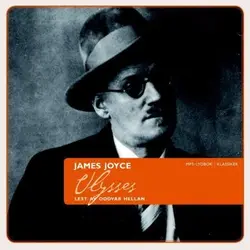
    Ulysses

    James Joyce

  3. 50 Masterpieces you have to read before you die

    Frances Hodgson Burnett, Homer, Charles Dickens, Lyman Frank Baum, Nathaniel Hawthorne, Thomas Hardy, Robert Louis Stevenson, Henry Haggard, Wilkie Collins, H.G. Wells, Sir Walter Scott, Lucy Maud Montgomery, Louisa May Alcott, Henry Fielding, Mary Shelley, Arthur Conan Doyle, Leo Tolstoy, Euripides, Fyodor Dostoevsky, Alexander Pushkin, James Fenimore Cooper, Daniel Defoe, Joseph Conrad, Jonathan Swift, William Shakespeare, Oscar Wilde, John Bunyan, Charles Darwin, Alfred Tennyson, Bram Stoker, James Joyce, Dante Alighieri, Howard Pyle, Jane Austen, Emily Bronte, Giovanni Boccaccio, Rudyard Kipling

  4. 100 Clásicos de la Literatura Universal

    Francis Scott Fitzgerald, Mary Shelley, Lyman Frank Baum, Louisa May Alcott, Dante Alighieri, Jane Austen, Ambrose Bierce, Emily Brontë, Edgar Rice Burroughs, Lewis Carroll, Wilkie Collins, René Descartes, Charles Dickens, Emily Dickinson, Alexandre Dumas, Gustave Flaubert, Benito Pérez Galdós, Johann Wolfgang von Goethe, Thomas Hardy, E T A Hoffmann, Washington Irving, Henry James, James Joyce, Franz Kafka, Gaston Leroux, Federico García Lorca, H.P. Lovecraft, Publio Virgilio Marón, Lucy Maud Montgomery, John William Polidori, Marco Polo, Antoine de Saint-Exupéry, Emilio Salgari, Walter Scott, Mark Twain, Jules Verne, Julio Verne, H.G. Wells, Edith Wharton, Mary Wollstonecraft, Stefan Zweig, Sun Tzu, Bram Stoker, - Aristoteles, George Bernard Shaw, Henryk Sienkiewicz, Concepción Arenal, Charlotte Brontë, Miguel de Cervantes, G.K. Chesterton, Daniel Defoe, Fyodor Mikhailovich Dostoyevsky, Arthur Conan Doyle, Sigmund Freud, H. Rider Haggard, Homero, Immanuel Kant, Rudyard Kipling, Molière, Friedrich Nietzsche, Fernando de Rojas, Sófocles, William Makepeace Thackeray, León Tolstói, Voltaire, Ramón María del Valle-Inclán, Oscar Wilde, Virginia Woolf

  5. 50 Masterpieces you have to read before you die vol: 2

    Louisa May Alcott, Jane Austen, Joseph Conrad, D. H. Lawrence, George Eliot, Leo Tolstoy, James Joyce, Charles Dickens, Bram Stoker, Oscar Wilde, Honoré de Balzac, Edgar Rice Burroughs, Anne Brontë, Charlotte Brontë, Emily Brontë, Lewis Carroll, Willa Cather, Miguel de Cervantes, E. Cummings, Fyodor Dostoyevsky, Daniel Defoe, Arthur Conan Doyle, Alexandre Dumas, Gustave Flaubert, Henry James, Victor Hugo

  6. #10

    Poetry : by James Joyce

    James Joyce

  7. Ulysses

    James Joyce

  8. Araby :

    James Joyce

  9. The Essential Irish Classics Collection: 5 Timeless Novels : Ulysses; The Picture of Dorian Gray; Dracula; Dubliners; & Gulliver's Travels

    James Joyce, Oscar Wilde, Bram Stoker, Jonathan Swift

  10. 50 Masterpieces you have to read before you die vol: 1 : Timeless Classics by Dostoevsky, Austen, Hugo, Tolstoy, and More

    Joseph Conrad, D. H. Lawrence, George Eliot, Leo Tolstoy, James Joyce, Charles Dickens, Jane Austen, Bram Stoker, Oscar Wilde, Louisa May Alcott, Honore Balzac, Edgar Rice Burroughs

  11. James Joyce : The Complete Collection

    James Joyce

  12. 4.0

    25+ The World's Greatest Short Stories. Vol. 1 : The Legend of Sleepy Hollow, The Gold Bug, Daisy Miller, The Yellow Wallpaper, The Call of Cthulhu and other

    Washington Irving, Edgar Allan Poe, Herman Melville, Bret Harte, Leo Tolstoy, Fyodor Dostoevsky, Rudyard Kipling, Charlotte Perkins Gilman, Anton Chekhov, David Herbert Lawrence, James Joyce, Ivan Turgenev, Nikolai Gogol, Mikhail Bulgakov, Ivan Bunin, Joseph Sheridan Le Fanu, O.Henry, Ambrose Gwinnett Bierce, Robert Louis Stevenson, Herbert George Wells, William Wymark Jacobs, Arthur Conan Doyle, Henry James, Howard Phillips Lovecraft, Alexander Pushkin, Gilbert Keith Chesterton