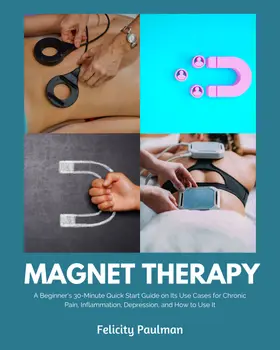
Magnet Therapy : A Beginner's 30-Minute Quick Start Guide on Its Use Cases for Chronic Pain, Inflammation, Depression, and How to Use It

According to some accounts, magnetic treatment may be traced back to ancient Egypt. In traditional Chinese medicine, magnets were also utilized to cure a variety of conditions. Today, magnet therapy is utilized in the treatment of a wide range of ailments, some of which include pain, inflammation, and blood flow. Magnet therapy is something that some individuals choose to do to improve their overall health and sense of well-being.

The use of magnets directly to the skin is the most prevalent kind of magnet treatment, but there are numerous other applications as well. This can be accomplished in several different ways, including the application of magnets in the form of a patch, the use of an electric pulse machine that circulates magnetic fields through the body, or the application of magnetic bracelets or insoles.

There is some scientific evidence that supports the use of magnet therapy. According to the findings of one study, patients suffering from chronic pain who used magnets had much less discomfort.

In yet another study, it was shown that persons with diabetes who used magnets had improved blood flow. Nevertheless, further investigation is required to discover the entire scope of magnet therapy's beneficial effects.

Even though there is not much in the way of solid scientific proof, a lot of people claim that magnet treatment helped them feel better. People who use it often report that it increases their blood flow, helps reduce pain and inflammation, and promotes their general health and well-being.

In this beginner's overview, we'll discuss the following in detail:

The origin of magnet therapy.

What are the two types of magnet therapy?

Magnetic therapy research.

How does magnet therapy work?

Use cases and benefits of magnetic therapy.

How to use magnet therapy?

Types of magnet therapy devices available.

Risks of using magnet therapy.

Who should not use magnet therapy?

If you're interested in magnet therapy and would like to know more about it, read on!
Om denne boken

According to some accounts, magnetic treatment may be traced back to ancient Egypt. In traditional Chinese medicine, magnets were also utilized to cure a variety of conditions. Today, magnet therapy is utilized in the treatment of a wide range of ailments, some of which include pain, inflammation, and blood flow. Magnet therapy is something that some individuals choose to do to improve their overall health and sense of well-being.

The use of magnets directly to the skin is the most prevalent kind of magnet treatment, but there are numerous other applications as well. This can be accomplished in several different ways, including the application of magnets in the form of a patch, the use of an electric pulse machine that circulates magnetic fields through the body, or the application of magnetic bracelets or insoles.

There is some scientific evidence that supports the use of magnet therapy. According to the findings of one study, patients suffering from chronic pain who used magnets had much less discomfort.

In yet another study, it was shown that persons with diabetes who used magnets had improved blood flow. Nevertheless, further investigation is required to discover the entire scope of magnet therapy's beneficial effects.

Even though there is not much in the way of solid scientific proof, a lot of people claim that magnet treatment helped them feel better. People who use it often report that it increases their blood flow, helps reduce pain and inflammation, and promotes their general health and well-being.

In this beginner's overview, we'll discuss the following in detail:

The origin of magnet therapy.

What are the two types of magnet therapy?

Magnetic therapy research.

How does magnet therapy work?

Use cases and benefits of magnetic therapy.

How to use magnet therapy?

Types of magnet therapy devices available.

Risks of using magnet therapy.

Who should not use magnet therapy?

If you're interested in magnet therapy and would like to know more about it, read on!
Kom i gang med denne boken i dag for 0 kr

  • Få full tilgang til alle bøkene i appen i prøveperioden
  • Ingen forpliktelser, si opp når du vil
Prøv gratis nå
Mer enn 52 000 personer har gitt Nextory 5 stjerner på App Store og Google Play.

  1. Gaslighting Recovery for Divorced Women : A 5-Phase Guide to Break Free from Manipulation, Rebuild Confidence, and Move Forward After Divorce

    Felicity Paulman

  2. Inner Child Healing for Highly Sensitive People : A 7-Stage Plan to Release Deep Emotional Wounds, Strengthen Boundaries, and Embrace Your Empathic Gifts

    Felicity Paulman

  3. Swedish Death Cleaning for Adult Children : A Beginner’s 5-Step Plan to Help Parents Declutter with Care and Less Conflict

    Felicity Paulman

  4. Daughters of Narcissistic Mothers : A 5-Step Plan for New Moms to Break the Cycle and Raise Emotionally Secure Kids

    Felicity Paulman

  5. Vagus Nerve Healing for Women with Anxiety : A Beginner's 4-Week Plan to Manage Overthinking, Stress, and Regulate Nervous System Naturally

    Felicity Paulman

  6. Microdosing & Growing Psilocybin Mushrooms : A Beginner’s 3-Week Step-by-Step Guide for PTSD Relief, Mood Stabilization, and Mental Well-Being

    Felicity Paulman

  7. Facial Gua Sha for Women : A Beginner's Step-by-Step Guide on How to Use the Tool and Overview on its Use Cases for Facial Beauty and Health

    Felicity Paulman

  8. 3.0

    ROCD

    Felicity Paulman

  9. Medicinal Mushrooms : A Beginner's 5-Step Quick Start Guide on Getting Started, with an Overview of its Health Use Cases

    Felicity Paulman

  10. Lectin-Free Starter Plan : A 14-Day “What to Eat” System with Food Lists, Swap Charts, and a Simple Meal Plan + Recipes

    Felicity Paulman

  11. High-Functioning Anxiety for High-Achieving Women : A 30-Day Guide to Calm Overthinking, Strengthen Emotional Boundaries, and Restore Mental Clarity

    Felicity Paulman

  12. The After-Shift Reset Guide for Night-Shift Clinicians : 10-Minute Wind-Down Routines, Sleep-Support Habits, and Nervous-System Calming Tools for Hospital and EMS Teams

    Felicity Paulman