The Boys' and Girls' Plutarch : Being Parts of the "Lives" of Plutarch, Edited for Boys and Girls

In "The Boys' and Girls' Plutarch," Plutarch presents a captivating collection of biographical sketches, distilling the essence of exemplary figures from classical antiquity for a youthful audience. Written in a clear, engaging narrative style, this compilation aims to inspire moral virtues through the lives of historical characters, emphasizing themes such as bravery, wisdom, and justice. Plutarch's work serves as an introduction to the values espoused by ancient Greek and Roman cultures, filtered through the lens of a moral educator, making it accessible and relevant for children and adolescents. The choice of anecdotes is particularly insightful, aiming to nurture virtues that resonate with young readers. Plutarch, a Greek philosopher and historian from the first century AD, was deeply influenced by his Stoic philosophy and the moral teachings of his predecessors. His overarching goal was to provide ethical instruction through historical narratives, reflecting his belief in the importance of character and moral virtue in the development of individuals. In crafting this particular volume for younger audiences, Plutarch sought to cultivate virtuous citizens by instilling admiration for heroic lives and ethical conduct. "The Boys' and Girls' Plutarch" is highly recommended for educators, parents, and young readers alike. Its accessible style and rich moral content make it an ideal introduction to classic literature, serving both as an engaging read and a valuable resource for character development. Encourage the young minds in your life to explore these tales of heroism and virtue, which have resonated through the ages.
Om denne boken

In "The Boys' and Girls' Plutarch," Plutarch presents a captivating collection of biographical sketches, distilling the essence of exemplary figures from classical antiquity for a youthful audience. Written in a clear, engaging narrative style, this compilation aims to inspire moral virtues through the lives of historical characters, emphasizing themes such as bravery, wisdom, and justice. Plutarch's work serves as an introduction to the values espoused by ancient Greek and Roman cultures, filtered through the lens of a moral educator, making it accessible and relevant for children and adolescents. The choice of anecdotes is particularly insightful, aiming to nurture virtues that resonate with young readers. Plutarch, a Greek philosopher and historian from the first century AD, was deeply influenced by his Stoic philosophy and the moral teachings of his predecessors. His overarching goal was to provide ethical instruction through historical narratives, reflecting his belief in the importance of character and moral virtue in the development of individuals. In crafting this particular volume for younger audiences, Plutarch sought to cultivate virtuous citizens by instilling admiration for heroic lives and ethical conduct. "The Boys' and Girls' Plutarch" is highly recommended for educators, parents, and young readers alike. Its accessible style and rich moral content make it an ideal introduction to classic literature, serving both as an engaging read and a valuable resource for character development. Encourage the young minds in your life to explore these tales of heroism and virtue, which have resonated through the ages.

Kom i gang med denne boken i dag for 0 kr

  • Få full tilgang til alle bøkene i appen i prøveperioden
  • Ingen forpliktelser, si opp når du vil
Prøv gratis nå
Mer enn 52 000 personer har gitt Nextory 5 stjerner på App Store og Google Play.

  1. 4.0

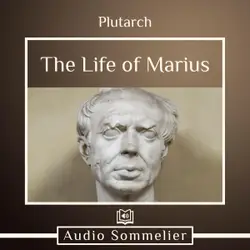
    The Life of Marius

    Plutarch, Bernadotte Perrin

  2. Caesar

    Plutarch

  3. Yale Classics (Vol. 1) : Enriched edition. Exploring the Essence of Ancient Wisdom and Literary Brilliance in Western Thought

    Aristotle, Plato, Euripides, Gilbert Murray, Epictetus, Pindar, Theocritus, Homer, Plutarch, Aeschylus, Sophocles, - Aristophanes, Herodotus, Anacreon, Sappho -, Thucydides, Hesiod, Demosthenes, Lysias, Alcaeus, Archilochus, Theognis of Megara, Simonides of Ceos, Bacchylides, Apollonius, Callimachus

  4. Ny

    100 Meisterwerke der griechischen Antike - Klassiker, die man kennen muss : Ilias, Odyssee, Anabasis des Alexander des Großen, Der Staat, König Ödipus, Medea, Geschichte des peloponnesischen Kriegs

    Homer, Sappho -, Herodot, - Sophokles, Platon, Anakreon, Aischylos, Hesiod, Euripides, - Aristophanes, Thukydides, Xenophon, - Aristoteles, Epikur, Lukian, Epiktet, Alkiphron, Longos von Lesbos, Polybios, Plutarch, Eusebius, Arrian, Diogenes Laërtios

  5. Ny

    50 Römische Klassiker - Meisterwerke, die man kennen muss : Aeneis, Gallischer Krieg, Selbstbetrachtungen, Ab Urbe Condita, Vom glückseligen Leben, Der goldene Esel, Jüdischer Krieg, Metamorphosen...

    Marcus Aurelius, Seneca, Tacitus, Plutarch, Marcus Tullius Cicero, Gaius Iulius Caesar, Titus Livius, Polybios, Flavius Josephus, Vergil, Ovid, Petronius, Arrian, Sueton, Epiktet, Lukian, Apuleius, Longos von Lesbos, Epikur, Diogenes Laërtios, Eusebius, Kaiser Augustus, Ignatius von Antiochien, Tertullian, Origenes, Augustinus von Hippo

  6. Ny

    Meisterwerke des Römischen Reiches : 50 Klassiker des antiken Roms: Selbstbetrachtungen, Handbüchlein der Moral, Historien, Aeneis, Leben der großen Griechen und Römer, Der Alexanderzug, Der Gottesstaat

    Tacitus, Mark Aurel, Vergil, Cicero, Caesar, Augustus, Titus Livius, Polybios, Ammianus Marcellinus, Flavius Josephus, Ovid, Petronius, Arrian, Sueton, Plutarch, Epiktet, Lukian, Apuleius, Longos von Lesbos, Epikur, Diogenes Laërtios, Eusebius, Ignatius von Antiochien, Tertullian, Origenes, Heiliger Augustinus

  7. Ny

    Die größten Historiker der Antike - Quellen zur Geschichte des antiken Roms : Annalen, Ab Urbe Condita, Der Bürgerkrieg, Römische Kaiserbiographien, Leben der großen Römer, Die Germania...

    Titus Livius, Tacitus, Plutarch, Ammianus Marcellinus, Gaius Iulius Caesar, Sueton, Polybios, Diogenes Laërtios, Eusebius

  8. Die größten Historiker der Antike - Quellen zur Geschichte des antiken Griechenlands : Der Peloponnesische Krieg, Der Alexanderzug, Leben der großen Griechen, Historien, Anabasis...

    Herodot, Thukydides, Plutarch, Arrian, Polybios, Diogenes Laërtios, Xenophon

  9. 100 Klassiker der Geschichtsschreibung : Die Geschichte des Alten Ägypten, Der Alexanderzug, Römische Geschichte, Herbst des Mittelalters, Die russische Revolution, Der Kampf um Europa

    Edward Gibbon, Leopold von Ranke, J. B. Bury, Theodor Mommsen, Herodot, Thukydides, Xenophon, Arrian, Titus Livius, Tacitus, Gaius Iulius Caesar, Sueton, Polybios, Ammianus Marcellinus, Plutarch, Diogenes Laërtios, Eusebius, Prokop von Cäsarea, Anna Komnena, Agathias, Marc Bloch, L. W. King, George Rawlinson, Edward Bulwer-Lytton, Jacob Burckhardt, Joseph François Michaud, Johan Huizinga, Arthur Middleton Reeves, Niccolò Machiavelli, G.K. Chesterton, Voltaire, Friedrich Schiller, Ricarda Huch, Thomas Carlyle, Charles Downer Hazen, Egon Friedell, Walter Benjamin

  10. 100 Große Geschichtsbücher - Klassiker, die man kennen muss : Der Peloponnesische Krieg, Der Alexanderzug, Ab Urbe Condita, Napoleonische Kriege, Geschichte des Ersten und Zweiten Weltkriegs

    Tacitus, Thukydides, Plutarch, Theodor Mommsen, Edward Gibbon, Leopold von Ranke, Ricarda Huch, Helmuth von Moltke, Xenophon, Arrian, Titus Livius, Gaius Iulius Caesar, Sueton, Polybios, Ammianus Marcellinus, Diogenes Laërtios, Eusebius, Prokop von Cäsarea, Anna Komnena, Agathias, Marc Bloch, George Rawlinson, Edward Bulwer-Lytton, Jacob Burckhardt, Joseph François Michaud, Johan Huizinga, Niccolò Machiavelli, G.K. Chesterton, Voltaire, Friedrich Schiller, Thomas Carlyle, Charles Downer Hazen, Egon Friedell, Walter Benjamin

  11. Die Welt der Antike in 20 Büchern : Der Alexanderzug, Die Germania, Der Peloponnesische Krieg, Gallischer Krieg, Leben der großen Griechen und Römer, Die Kriegsgeschichte, Kirchengeschichte

    Herodot, Thukydides, Arrian, Tacitus, Titus Livius, Plutarch, Gaius Iulius Caesar, Sueton, Polybios, Ammianus Marcellinus, Diogenes Laërtios, Prokop von Cäsarea, Eusebius, Xenophon

  12. Die größten Geschichtsbücher der Antike : Römische Kaiserbiographien, Der Alexanderzug, Der Bürgerkrieg, Der Peloponnesische Krieg, Ab urbe condita, Historien, Die Kriegsgeschichte, Kirchengeschichte

    Tacitus, Ammianus Marcellinus, Gaius Iulius Caesar, Plutarch, Herodot, Thukydides, Arrian, Titus Livius, Sueton, Polybios, Diogenes Laërtios, Prokop von Cäsarea, Eusebius, Xenophon