4.5(23)

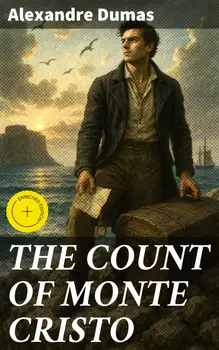
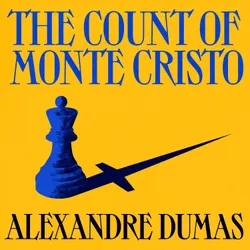
THE COUNT OF MONTE CRISTO : Enriched edition. A tale of betrayal, revenge, and redemption in 19th century France

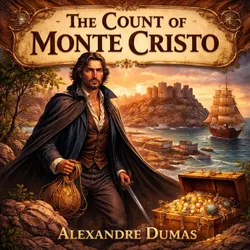
In "The Count of Monte Cristo," Alexandre Dumas weaves a rich tapestry of revenge, betrayal, and redemption against the backdrop of early 19th-century France. The narrative is marked by its intricate plotting and vivid characterizations, showcasing Dumas's mastery of romantic adventure. The novel unfolds through the journey of Edmond Dantès, a young sailor wrongfully imprisoned who, after his escape, seeks vengeance on those who conspired against him. Dumas employs a blend of historical accuracy and dramatic fiction, immersing readers in themes of justice, fate, and the moral complexities of revenge. Dumas, born in 1802 as the son of a French general and a slave, faced various societal challenges throughout his life, which deeply informed his writing. His diverse background and experiences with injustice inspired the moral dilemmas faced by Dantès. Having emerged from a largely humble beginning, Dumas became one of the most prolific and celebrated authors of the 19th century, using his platform to explore human resilience and the quest for identity amid turmoil. "The Count of Monte Cristo" is not only a riveting tale but also a profound exploration of the human psyche. I highly recommend this timeless classic to those who seek both a thrilling adventure and philosophical insight, as it leaves readers pondering the nature of justice and mercy long after the final page.

In this enriched edition, we have carefully created added value for your reading experience:

- A succinct Introduction situates the work's timeless appeal and themes.

- The Synopsis outlines the central plot, highlighting key developments without spoiling critical twists.

- A detailed Historical Context immerses you in the era's events and influences that shaped the writing.

- An Author Biography reveals milestones in the author's life, illuminating the personal insights behind the text.

- A thorough Analysis dissects symbols, motifs, and character arcs to unearth underlying meanings.

- Reflection questions prompt you to engage personally with the work's messages, connecting them to modern life.

- Hand‐picked Memorable Quotes shine a spotlight on moments of literary brilliance.

- Interactive footnotes clarify unusual references, historical allusions, and archaic phrases for an effortless, more informed read.
Om denne boken

In "The Count of Monte Cristo," Alexandre Dumas weaves a rich tapestry of revenge, betrayal, and redemption against the backdrop of early 19th-century France. The narrative is marked by its intricate plotting and vivid characterizations, showcasing Dumas's mastery of romantic adventure. The novel unfolds through the journey of Edmond Dantès, a young sailor wrongfully imprisoned who, after his escape, seeks vengeance on those who conspired against him. Dumas employs a blend of historical accuracy and dramatic fiction, immersing readers in themes of justice, fate, and the moral complexities of revenge. Dumas, born in 1802 as the son of a French general and a slave, faced various societal challenges throughout his life, which deeply informed his writing. His diverse background and experiences with injustice inspired the moral dilemmas faced by Dantès. Having emerged from a largely humble beginning, Dumas became one of the most prolific and celebrated authors of the 19th century, using his platform to explore human resilience and the quest for identity amid turmoil. "The Count of Monte Cristo" is not only a riveting tale but also a profound exploration of the human psyche. I highly recommend this timeless classic to those who seek both a thrilling adventure and philosophical insight, as it leaves readers pondering the nature of justice and mercy long after the final page.

In this enriched edition, we have carefully created added value for your reading experience:

- A succinct Introduction situates the work's timeless appeal and themes.

- The Synopsis outlines the central plot, highlighting key developments without spoiling critical twists.

- A detailed Historical Context immerses you in the era's events and influences that shaped the writing.

- An Author Biography reveals milestones in the author's life, illuminating the personal insights behind the text.

- A thorough Analysis dissects symbols, motifs, and character arcs to unearth underlying meanings.

- Reflection questions prompt you to engage personally with the work's messages, connecting them to modern life.

- Hand‐picked Memorable Quotes shine a spotlight on moments of literary brilliance.

- Interactive footnotes clarify unusual references, historical allusions, and archaic phrases for an effortless, more informed read.

Kom i gang med denne boken i dag for 0 kr

  • Få full tilgang til alle bøkene i appen i prøveperioden
  • Ingen forpliktelser, si opp når du vil
Prøv gratis nå
Mer enn 52 000 personer har gitt Nextory 5 stjerner på App Store og Google Play.

  1. 50 Masterpieces you have to read before you die vol 1

    Louisa May Alcott, Jane Austen, Joseph Conrad, Edwin Abbott, George Eliot, Leo Tolstoy, James Joyce, Charles Dickens, Bram Stoker, Oscar Wilde, Honoré de Balzac, Edgar Rice Burroughs, Anne Brontë, Charlotte Brontë, Emily Brontë, Lewis Carroll, Willa Cather, Miguel de Cervantes, E. Cummings, Fyodor Dostoyevsky, Daniel Defoe, Arthur Conan Doyle, Alexandre Dumas, Gustave Flaubert, Henry James, Victor Hugo

  2. 5.0

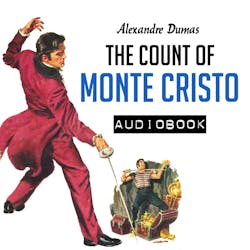
    The Count of Monte Cristo

    Alexandre Dumas

  3. Høyest rangert
    4.7

    Greven av Monte Cristo

    Alexandre Dumas

  4. 3.0

    50 Masterpieces you have to read before you die vol: 1 (2020 Edition) : Included: Little Women, The Richest Man in Babylon Emma, The Call Of The Wild ....

    Louisa May Alcott, Dante Alighieri, Marcus Aurelius, Jane Austen, L. Frank Baum, Charlotte Brontë, Emily Brontë, Anne Brontë, Miguel de Cervantes, Agatha Christie, George S. Clason, Arthur Conan Doyle, Joseph Conrad, Charles Dickens, Fyodor Dostoyevsky, Alexandre Dumas, George Eliot, G.K. Chesterton, G.K. Chesterton, Zane Grey, Nathaniel Hawthorne, Napoleon Hill, Homer, Victor Hugo, Frances Hodgson Burnett, Washington Irving, Henry James, Franz Kafka, Rudyard Kipling, Jack London, Leo Tolstoy, H.P. Lovecraft, Lucy Maud Montgomery, Joseph Murphy, Robert Louis Stevenson, Edgar Allan Poe, Marcel Proust, Publius, Mary Shelley, Bram Stoker, Mark Twain, Sun Tzu, Lew Wallace, Wallace D. Wattles, H.G. Wells

  5. 4.5

    Greven av Monte Christo

    Alexandre Dumas

  6. 4.4

    Den sorte tulipan

    Alexandre Dumas

  7. 4.5

    The Count of Monte Cristo

    Alexandre Dumas

  8. 4.6

    The Count of Monte Cristo

    Alexandre Dumas

  9. 24. sep.

    Musketerenes ætling

    Alexandre Dumas

  10. 100 Clásicos de la Literatura Universal

    Francis Scott Fitzgerald, Mary Shelley, Lyman Frank Baum, Louisa May Alcott, Dante Alighieri, Jane Austen, Ambrose Bierce, Emily Brontë, Edgar Rice Burroughs, Lewis Carroll, Wilkie Collins, René Descartes, Charles Dickens, Emily Dickinson, Alexandre Dumas, Gustave Flaubert, Benito Pérez Galdós, Johann Wolfgang von Goethe, Thomas Hardy, E T A Hoffmann, Washington Irving, Henry James, James Joyce, Franz Kafka, Gaston Leroux, Federico García Lorca, H.P. Lovecraft, Publio Virgilio Marón, Lucy Maud Montgomery, John William Polidori, Marco Polo, Antoine de Saint-Exupéry, Emilio Salgari, Walter Scott, Mark Twain, Jules Verne, Julio Verne, H.G. Wells, Edith Wharton, Mary Wollstonecraft, Stefan Zweig, Sun Tzu, Bram Stoker, - Aristoteles, George Bernard Shaw, Henryk Sienkiewicz, Concepción Arenal, Charlotte Brontë, Miguel de Cervantes, G.K. Chesterton, Daniel Defoe, Fyodor Mikhailovich Dostoyevsky, Arthur Conan Doyle, Sigmund Freud, H. Rider Haggard, Homero, Immanuel Kant, Rudyard Kipling, Molière, Friedrich Nietzsche, Fernando de Rojas, Sófocles, William Makepeace Thackeray, León Tolstói, Voltaire, Ramón María del Valle-Inclán, Oscar Wilde, Virginia Woolf

  11. 50 Masterpieces you have to read before you die vol: 2

    Louisa May Alcott, Jane Austen, Joseph Conrad, D. H. Lawrence, George Eliot, Leo Tolstoy, James Joyce, Charles Dickens, Bram Stoker, Oscar Wilde, Honoré de Balzac, Edgar Rice Burroughs, Anne Brontë, Charlotte Brontë, Emily Brontë, Lewis Carroll, Willa Cather, Miguel de Cervantes, E. Cummings, Fyodor Dostoyevsky, Daniel Defoe, Arthur Conan Doyle, Alexandre Dumas, Gustave Flaubert, Henry James, Victor Hugo

  12. The Count of Monte Cristo

    Alexandre Dumas