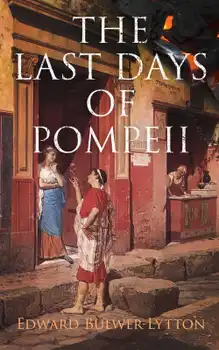
The Last Days of Pompeii (Annotated) : Enriched Edition. A Roman Empire Romance of Forbidden Love, Early Christian Faith, and the Mount Vesuvius Catastrophe

Edward Bulwer-Lytton's The Last Days of Pompeii is a richly imagined historical romance set in the doomed Roman city shortly before the eruption of Vesuvius in 79 CE. Combining antiquarian detail with melodramatic plotting, the novel contrasts pagan luxury, early Christian faith, and moral corruption through intertwined stories of love, rivalry, and spiritual awakening. Its ornate prose and theatrical structure place it firmly within the nineteenth-century historical novel tradition, indebted to Walter Scott yet distinctive in its fascination with spectacle, archaeology, and catastrophe. Bulwer-Lytton, a prominent Victorian novelist, politician, and man of letters, wrote at a time when classical antiquity and the excavations at Pompeii captured the European imagination. His broad education, aristocratic milieu, and interest in politics, religion, and social order inform the novel's dramatic opposition between decadent empire and emerging Christian conscience. The book reflects both his erudition and his gift for popular narrative. This novel is recommended to readers interested in historical fiction, classical civilization, and Victorian responses to antiquity. Though grandly rhetorical by modern standards, it remains compelling for its atmosphere, moral intensity, and unforgettable vision of a civilization suspended at the edge of destruction.

This enriched edition has been carefully crafted to add value to your reading experience.

- A succinct Introduction situates the work's timeless appeal and themes.

- The Synopsis outlines the central plot, highlighting key developments without spoiling critical twists.

- A detailed Historical Context immerses you in the era's events and influences that shaped the writing.

- A thorough Analysis dissects symbols, motifs, and character arcs to unearth underlying meanings.

- Reflection questions prompt you to engage personally with the work's messages, connecting them to modern life.

- Hand‐picked Memorable Quotes shine a spotlight on moments of literary brilliance.

- Interactive footnotes clarify unusual references, historical allusions, and archaic phrases for an effortless, more informed read.


Om denne boken

Edward Bulwer-Lytton's The Last Days of Pompeii is a richly imagined historical romance set in the doomed Roman city shortly before the eruption of Vesuvius in 79 CE. Combining antiquarian detail with melodramatic plotting, the novel contrasts pagan luxury, early Christian faith, and moral corruption through intertwined stories of love, rivalry, and spiritual awakening. Its ornate prose and theatrical structure place it firmly within the nineteenth-century historical novel tradition, indebted to Walter Scott yet distinctive in its fascination with spectacle, archaeology, and catastrophe. Bulwer-Lytton, a prominent Victorian novelist, politician, and man of letters, wrote at a time when classical antiquity and the excavations at Pompeii captured the European imagination. His broad education, aristocratic milieu, and interest in politics, religion, and social order inform the novel's dramatic opposition between decadent empire and emerging Christian conscience. The book reflects both his erudition and his gift for popular narrative. This novel is recommended to readers interested in historical fiction, classical civilization, and Victorian responses to antiquity. Though grandly rhetorical by modern standards, it remains compelling for its atmosphere, moral intensity, and unforgettable vision of a civilization suspended at the edge of destruction.

This enriched edition has been carefully crafted to add value to your reading experience.

- A succinct Introduction situates the work's timeless appeal and themes.

- The Synopsis outlines the central plot, highlighting key developments without spoiling critical twists.

- A detailed Historical Context immerses you in the era's events and influences that shaped the writing.

- A thorough Analysis dissects symbols, motifs, and character arcs to unearth underlying meanings.

- Reflection questions prompt you to engage personally with the work's messages, connecting them to modern life.

- Hand‐picked Memorable Quotes shine a spotlight on moments of literary brilliance.

- Interactive footnotes clarify unusual references, historical allusions, and archaic phrases for an effortless, more informed read.
Kom i gang med denne boken i dag for 0 kr

  • Få full tilgang til alle bøkene i appen i prøveperioden
  • Ingen forpliktelser, si opp når du vil
Prøv gratis nå
Mer enn 52 000 personer har gitt Nextory 5 stjerner på App Store og Google Play.

  1. Beware The Silence : Ultimate Collection of Horror Classics, Macabre Tales & Supernatural Mysteries

    Wilhelm Hauff, Charles Dickens, Mark Twain, Harriet Beecher Stowe, Adelbert von Chamisso, Oscar Wilde, Robert Louis Stevenson, Edgar Allan Poe, William Hope Hodgson, Joseph Sheridan Fanu, John Buchan, Louis Tracy, Bram Stoker, Anatole France, Charlotte Brontë, Emily Brontë, Jack London, Henry James, Théophile Gautier, Arthur Conan Doyle, Richard Le Gallienne, Jane Austen, Ralph Adams Cram, Thomas De Quincey, John Meade Falkner, Guy De Maupassant, Thomas Hardy, William Archer, Daniel Defoe, John Kendrick Bangs, Cleveland Moffett, Brander Matthews, Marie Belloc Lowndes, Horace Walpole, Rudyard Kipling, Lafcadio Hearn, Hugh Walpole, Ambrose Bierce, Frederick Marryat, Ellis Parker Butler, Washington Irving, Leonid Andreyev, David Lindsay, Nathaniel Hawthorne, Grant Allen, Arthur Machen, Wilkie Collins, William Makepeace Thackeray, Thomas Peckett Prest, James Malcolm Rymer, Fergus Hume, Edward Bellamy, Walter Hubbell, Charlotte Perkins Gilman, Leopold Kompert, Richard Marsh, Florence Marryat, Catherine Crowe, John William Polidori, Vincent O'Sullivan, H.G. Wells, Robert W. Chambers, W. W. Jacobs, M.P. Shiel, E F Benson, Jerome K Jerome, M. R. James, E. T. Hoffmann, Stanley G. Weinbaum, George W. Reynolds, H.P. Lovecraft, Robert E. Howard, Edith Nesbit, Sabine Baring-Gould, William Thomas Beckford, Francis Marion Crawford, Lucy Maud Montgomery, Mary Elizabeth Braddon, Mary Louisa Molesworth, Mary E. Freeman, Nikolai Gogol, Mary Shelley, Elizabeth Gaskell, Edward Bulwer-Lytton, Frank R. Stockton, A. T. Quiller-Couch, Ann Radcliffe, Louisa M. Alcott, Amelia B. Edwards, Leonard Kip, Matthew Gregory Lewis, Fitz-James O’Brien, Katherine Rickford, Bithia Mary Croker, Catherine L. Pirkis, Émile Erckmann, Alexandre Chatrian, Pedro De Alarçon, H. H. (Saki), Pliny the Younger, Helena Blavatsky, Villiers de Adam, William F. Harvey, Fiona Macleod, William T. Stead, Gambier Bolton, Andrew Jackson Davis, Nizida, Walter F. Prince, Chester Bailey Fernando

  2. 5.0

    The Power of Darkness : The Legend of Sleepy Hollow, Sweeney Todd, Frankenstein, Dracula, The Haunted House, Dead Souls…

    Wilhelm Hauff, Charles Dickens, Mark Twain, Harriet Beecher Stowe, Adelbert von Chamisso, Oscar Wilde, Robert Louis Stevenson, Edgar Allan Poe, William Hope Hodgson, Joseph Sheridan Fanu, John Buchan, Louis Tracy, Bram Stoker, Anatole France, Charlotte Brontë, Emily Brontë, Jack London, Henry James, Théophile Gautier, Arthur Conan Doyle, Richard Le Gallienne, Jane Austen, Ralph Adams Cram, Thomas De Quincey, John Meade Falkner, Guy De Maupassant, Thomas Hardy, William Archer, Daniel Defoe, John Kendrick Bangs, Cleveland Moffett, Brander Matthews, Marie Belloc Lowndes, Horace Walpole, Rudyard Kipling, Lafcadio Hearn, Hugh Walpole, Ambrose Bierce, Frederick Marryat, Ellis Parker Butler, Washington Irving, Leonid Andreyev, David Lindsay, Nathaniel Hawthorne, Grant Allen, Arthur Machen, Wilkie Collins, William Makepeace Thackeray, Thomas Peckett Prest, James Malcolm Rymer, Fergus Hume, Edward Bellamy, Walter Hubbell, Charlotte Perkins Gilman, Leopold Kompert, Richard Marsh, Florence Marryat, Catherine Crowe, John William Polidori, Vincent O'Sullivan, H.G. Wells, Robert W. Chambers, W. W. Jacobs, M.P. Shiel, E F Benson, Jerome K Jerome, M. R. James, E. T. Hoffmann, Stanley G. Weinbaum, George W. Reynolds, H.P. Lovecraft, Robert E. Howard, Edith Nesbit, Sabine Baring-Gould, William Thomas Beckford, Francis Marion Crawford, Lucy Maud Montgomery, Mary Elizabeth Braddon, Mary Louisa Molesworth, Mary E. Freeman, Nikolai Gogol, Mary Shelley, Elizabeth Gaskell, Edward Bulwer-Lytton, Frank R. Stockton, A. T. Quiller-Couch, Ann Radcliffe, Louisa M. Alcott, Amelia B. Edwards, Leonard Kip, Matthew Gregory Lewis, Fitz-James O’Brien, Katherine Rickford, Bithia Mary Croker, Catherine L. Pirkis, Émile Erckmann, Alexandre Chatrian, Pedro De Alarçon, H. H. (Saki), Pliny the Younger, Helena Blavatsky, Villiers de Adam, William F. Harvey, Fiona Macleod, William T. Stead, Gambier Bolton, Andrew Jackson Davis, Nizida, Walter F. Prince, Chester Bailey Fernando

  3. 100 Klassiker der Geschichtsschreibung : Die Geschichte des Alten Ägypten, Der Alexanderzug, Römische Geschichte, Herbst des Mittelalters, Die russische Revolution, Der Kampf um Europa

    Edward Gibbon, Leopold von Ranke, J. B. Bury, Theodor Mommsen, Herodot, Thukydides, Xenophon, Arrian, Titus Livius, Tacitus, Gaius Iulius Caesar, Sueton, Polybios, Ammianus Marcellinus, Plutarch, Diogenes Laërtios, Eusebius, Prokop von Cäsarea, Anna Komnena, Agathias, Marc Bloch, L. W. King, George Rawlinson, Edward Bulwer-Lytton, Jacob Burckhardt, Joseph François Michaud, Johan Huizinga, Arthur Middleton Reeves, Niccolò Machiavelli, G.K. Chesterton, Voltaire, Friedrich Schiller, Ricarda Huch, Thomas Carlyle, Charles Downer Hazen, Egon Friedell, Walter Benjamin

  4. 100 Große Geschichtsbücher - Klassiker, die man kennen muss : Der Peloponnesische Krieg, Der Alexanderzug, Ab Urbe Condita, Napoleonische Kriege, Geschichte des Ersten und Zweiten Weltkriegs

    Tacitus, Thukydides, Plutarch, Theodor Mommsen, Edward Gibbon, Leopold von Ranke, Ricarda Huch, Helmuth von Moltke, Xenophon, Arrian, Titus Livius, Gaius Iulius Caesar, Sueton, Polybios, Ammianus Marcellinus, Diogenes Laërtios, Eusebius, Prokop von Cäsarea, Anna Komnena, Agathias, Marc Bloch, George Rawlinson, Edward Bulwer-Lytton, Jacob Burckhardt, Joseph François Michaud, Johan Huizinga, Niccolò Machiavelli, G.K. Chesterton, Voltaire, Friedrich Schiller, Thomas Carlyle, Charles Downer Hazen, Egon Friedell, Walter Benjamin

  5. VRIL - Das Geschlecht der Zukunft

    Edward Bulwer-Lytton

  6. VRIL : The Power of the Coming Race

    Edward Bulwer-Lytton

  7. Die letzten Tage von Pompeji: Historischer Roman

    Edward Bulwer-Lytton

  8. 100 Meisterwerke der englischen Literatur - Klassiker, die man kennen muss (Kommentiert) : Erweiterte Ausgabe. Hamlet, 1984, Ulysses...

    George Orwell, Charles Dickens, Jane Austen, Katherine Mansfield, H.P. Lovecraft, William Wordsworth, John Keats, Percy Bysshe Shelley, Robert Burns, John Milton, William Shakespeare, Christopher Marlowe, Geoffrey Chaucer, Laurence Sterne, Henry Fielding, Mary Shelley, Emily Brontë, Charlotte Brontë, Anne Brontë, William Makepeace Thackeray, George Eliot, D. H. Lawrence, Herman Melville, Thomas Wolfe, Virginia Woolf, Joseph Conrad, Sinclair Lewis, Walt Whitman, Edgar Allan Poe, Oscar Wilde, Jerome K Jerome, Washington Irving, Bram Stoker, H.G. Wells, Daniel Defoe, Lew Wallace, James Fenimore Cooper, Jonathan Swift, Robert Louis Stevenson, Mark Twain, Lewis Carrol, Edward Bulwer-Lytton, F. Scott Fitzgerald, Arthur Conan Doyle, Jack London, Henry David Thoreau, G.K. Chesterton, Edith Wharton, Henry James, Thomas Hardy, Margaret Mitchell, Kate Chopin, Willa Cather, Charlotte Perkins Gilman, James Joyce, John Galsworthy, Francis Hodgson Burnett, Lucy Maud Montgomery, Louisa May Alcott, Rudyard Kipling

  9. Der Aufstieg und Fall des antiken Athen

    Edward Bulwer-Lytton

  10. Die letzten Tage von Pompeji

    Edward Bulwer-Lytton

  11. Die größten Liebesgeschichten des Vergoldeten Zeitalters : Gilded Age Romance Sammelband: Aus guter Familie, Die Herrin des Großen Hauses, Die Aßmanns, Der Maskenball, Die Kameliendame

    Gabriele Reuter, John Galsworthy, Wilhelmine Heimburg, D. H. Lawrence, Hermann Heiberg, Joseph Roth, Edward Bulwer-Lytton, Ernst Wichert, Jack London, Alexandre Dumas, Lew Tolstoi, Gabriele D’Annunzio, Fjodor Michailowitsch Dostojewski, Theodor Fontane, Guy De Maupassant, George Eliot, Rudyard Kipling, Arthur Schnitzler, Anatole France, Johanna Spyri, Gustave Flaubert, Ida Boy-Ed, Hedwig Courths-Mahler, Eugenie Marlitt, Eufemia von Adlersfeld-Ballestrem, Nataly von Eschstruth, Elisabeth Bürstenbinder, Franziska Gräfin Reventlow, Elisabeth von Heyking

  12. Die letzten Tage von Pompeji (Historischer Roman) : Bereicherte Ausgabe. Ein eindringlicher Blick auf das Leben in Pompeji vor dem verheerenden Vulkanausbruch

    Edward Bulwer-Lytton