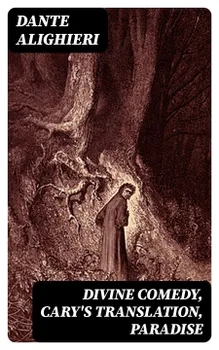
In Dante Alighieri's compelling canticle, "Paradise," the concluding section of the "Divine Comedy," readers are invited on a transcendental journey through the celestial spheres, showcasing the poet's masterful blend of allegory, theology, and intricate symbolism. Cary's translation captures the rhythmic and lyrical qualities of Dante's original Italian verses, reflecting the Renaissance's humanistic ideals while wrestling with the weight of medieval scholasticism. This work illustrates the soul's ascent toward divine love, portraying the complex relationship between humanity and divinity, and unfolds within a meticulously crafted universe influenced by Christian philosophy and Aristotelian ethics. Dante, deeply influenced by his own life experiences, including exile and political strife, sought to explore the moral and spiritual dimensions of existence through this epic narrative. His background in Florentine politics, as well as his profound understanding of classical literature and theology, infused his work with a sense of urgency and relevance that continues to resonate with readers today. The "Divine Comedy" reflects both personal and universal themes, articulating the journey of the soul toward God amidst the societal turmoil of the early 14th century. I highly recommend "Paradise" to those seeking not only a literary masterpiece but also a philosophical exploration of human enlightenment and divine grace. Dante's eloquent portrayal of heavenly bliss challenges readers to reflect on their own spiritual journeys, eliciting profound contemplation while vividly engaging the imagination. Thus, this work remains an essential cornerstone of world literature, inviting readers to ascend alongside Dante in their quest for truth and salvation.
Divine Comedy, Cary's Translation, Paradise
Commencez ce livre dès aujourd’hui pour 0 €
- Accédez à tous les livres de l'app pendant la période d'essai
- Sans engagement, annulez à tout moment
Auteur(e) :
Série :
Divine Comedy, Cary's Translation, ParadiseLangue :
anglais
Format :

50 Masterpieces you have to read before you die
The Divine Comedy
Inferno (lättläst)
Guido, i' vorrei che tu e Lapo ed io :
Così nel mio parlar voglio esser aspro :
Inferno. Canto II :
Inferno. Canto III :

The Divine Comedy : Hell - Purgatory - Paradise

Monarchia : Sobre la monarquía universal
De Vulgari Eloquentia : Sobre la elocuencia en lengua vulgar

The Divine Comedy - Audiobook

50 Clásicos que debes leer antes de morir