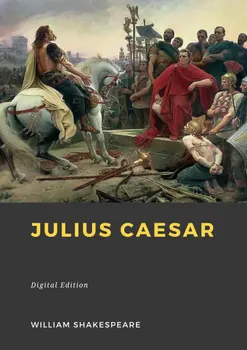
William Shakespeare's "Julius Caesar" is a gripping political drama that delves into the complex themes of power, betrayal, and the consequences of ambition.
Set in ancient Rome, the play unfolds in the wake of Caesar's triumphant return from war. As the city celebrates his victories, a group of senators, including Brutus and Cassius, grows increasingly concerned about Caesar's growing influence and potential tyranny. They plot his assassination in an attempt to preserve the Roman Republic.
The play explores the moral dilemmas faced by its characters, particularly Brutus, who must grapple with his loyalty to Caesar and his love for Rome. The famous line "Et tu, Brute?" captures the heart-wrenching moment when Brutus joins the conspiracy against Caesar.
Shakespeare's masterful language and deep insights into human nature shine throughout the play. He examines the consequences of political machinations and the chaos that ensues when leaders are overthrown.
"Julius Caesar" is not just a historical tragedy; it's a timeless exploration of the human condition and the eternal struggle for power. It raises questions about the morality of political actions and the tension between individual honor and the greater good.
This play continues to captivate readers and audiences alike with its compelling characters, intense conflicts, and thought-provoking themes. Whether you're interested in history, politics, or simply enjoy a well-crafted story, "Julius Caesar" remains a must-read classic that offers profound insights into the complexities of human ambition and the consequences of our choices.
ABOUT THE AUTHOR
William Shakespeare, the immortal bard of Avon, was a masterful playwright and poet whose brilliance continues to captivate the world. Born in 1564 in Stratford-upon-Avon, England, his life remains shrouded in mystery, yet his literary legacy shines brightly. Shakespeare's unparalleled talent crafted timeless works such as "Romeo and Juliet", "Hamlet", and "Macbeth", exploring the depths of human emotion and the complexities of the human psyche. His words, like a symphony of language, have left an indelible mark on literature, theater, and culture, transcending time and space. Today, his eloquence and storytelling prowess continue to enchant audiences, making him an everlasting icon of artistic excellence.