À propos de ce livre

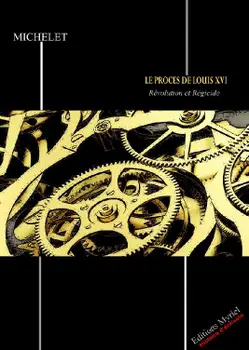
Dans le grand livre d’Histoire de France laissé à notre lecture, Michelet s’attarda plus particulièrement sur la Révolution française. La chose est normale pour un homme du XIXe siècle, contemporain d’une époque où la Révolution était encore terriblement présente.

Lorsque Michelet aborde la question du procès de Louis XVI, il entend prioritairement faire montre de complexité. La mise en accusation de l’ancien roi n’a rien à voir avec le jugement d’un innocent. Car Louis XVI était coupable pour Michelet. En amorce à l’écriture de son procès, le grand historien, intransigeant, dresse l’acte d’accusation du dernier Bourbon absolutiste. Alors, ceci fait, tout devient presque simple pour Michelet. Car loin d’en rester à de simples évidences, il entend montrer pourquoi et par la faute de qui Louis XVI fut condamné à mort. Ses juges, improvisés, souvent duplices, pourquoi ont-ils pris cette décision ?

Le procès de Louis XVI c’est l’acte révolutionnaire par excellence, c’est l’amorce à tout ce qui, par la suite, ensanglantera la Révolution. Lorsque des hommes jugent le représentant de Dieu sur Terre, ils se condamnent à devoir mourir à leur tour. Et Michelet de conclure. Il y a quelque chose du suicide collectif dans le procès de Louis XVI. Il y a toute la Révolution, exprimée en actes, l’espoir y présidant. Il y a surtout l’angoissante question du « qu’arrivera-t-il ? » maintenant que le tabou ultime, celui du Régicide, est à présent transgressé.
Commencez ce livre dès aujourd'hui pour 0 €

  • Accédez à tous les livres de l'app pendant la période d'essai
  • Sans engagement, annulez à tout moment
Essayer gratuitement
Plus de 52 000 personnes ont noté Nextory 5 étoiles sur l'App Store et Google Play.

Livres similaires

Plus de Jules Michelet

  1. Les Croisades : 1095-1270

    Jules Michelet

  2. La sorcière : L’Insoumise du Moyen Âge : La révolte de la femme contre l’Église.

    Jules Michelet

  3. La bruja

    Jules Michelet

  4. El pueblo

    Jules Michelet

  5. La Sorcière

    Jules Michelet

  6. Satanism and Witchcraft

    Jules Michelet

  7. Satanism and Witchcraft

    Jules Michelet

  8. The True Story vs. Myth of Witchcraft : 25 Books of Sorcery, Demonology & Supernatural: The Wonders of the Invisible World, Witch Stories…

    Bram Stoker, Charles Mackay, William Godwin, Walter Scott, Charles Wentworth Upham, Jules Michelet, John Ashton, Howard Williams, Increase Mather, Cotton Mather, Allen Putnam, George Moir, Frederick George Lee, James Thacher, M. V. Perley, Wilhelm Meinhold, John M. Taylor, E. Lynn Linton, William P. Upham, W. H. Adams, M. Schele Vere, John G. Campbell, John Maxwell Wood, Samuel Roberts Wells

  9. The Mythology and History of Witchcraft : Unveiling the Enigma: Myths, Legends, and Magic of Witchcraft Throughout History

    Bram Stoker, Charles Mackay, William Godwin, Walter Scott, Charles Wentworth Upham, Jules Michelet, John Ashton, Howard Williams, Increase Mather, Cotton Mather, Allen Putnam, George Moir, Frederick George Lee, James Thacher, M. V. Perley, Wilhelm Meinhold, John M. Taylor, E. Lynn Linton, William P. Upham, W. H. Adams, M. Schele Vere, John G. Campbell, John Maxwell Wood, Samuel Roberts Wells

  10. The History of Witchcraft in Europe Throughout the Ages : Exploring the Mysteries of Witchcraft Across Europe

    Bram Stoker, Charles Mackay, William Godwin, Walter Scott, Jules Michelet, John Ashton, Howard Williams, George Moir, Frederick George Lee, Wilhelm Meinhold, E. Lynn Linton, W. H. Adams, M. Schele Vere, St John Seymour, John G. Campbell, John Maxwell Wood, Margaret Murray

  11. La Sorcière : Enriched Edition. A Romantic History of Medieval Witchcraft, Folk Magic, Women Healers, and Religious Persecution

    Jules Michelet

  12. The True Story vs. Myth of Witchcraft : Salem Trials, Demonology, Folklore, and the History of Belief, Persecution, and the Occult

    Bram Stoker, Charles Mackay, William Godwin, Walter Scott, Charles Wentworth Upham, Jules Michelet, John Ashton, Howard Williams, Increase Mather, Cotton Mather, Allen Putnam, George Moir, Frederick George Lee, James Thacher, M. V. Perley, Wilhelm Meinhold, John M. Taylor, E. Lynn Linton, William P. Upham, W. H. Adams, M. Schele Vere, John G. Campbell, John Maxwell Wood, Samuel Roberts Wells