À propos de ce livre

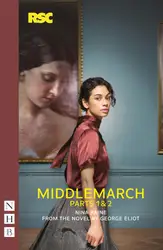
By the time the novel appeared to tremendous popular and critical acclaim in 1871-2, George Eliot was recognized as England's finest living novelist. It was her ambition to create a world and portray a whole community--tradespeople, middle classes, country gentry--in the rising provincial town of Middlemarch, circa 1830. Vast and crowded, rich in narrative irony and suspense, «Middlemarch» is richer still in character, in its sense of how individual destinies are shaped by and shape the community, and in the great art that enlarges the reader's sympathy and imagination. It is truly, as Virginia Woolf famously remarked, 'one of the few English novels written for grown-up people'.

"One of the few English novels written for grown-up people." —Virginia Woolf

"What do I think of 'Middlemarch'? What do I think of glory — except that in a few instances this 'mortal has already put on immortality.' George Eliot was one. The mysteries of human nature surpass the 'mysteries of redemption,' for the infinite we only suppose, while we see the finite." —Emily Dickinson

"'Middlemarch' is probably the greatest English novel." —Julian Barnes

"They've [women] produced the greatest writer in the English language ever, George Eliot, and arguably the third greatest, Jane Austen, and certainly the greatest novel, 'Middlemarch'..." —Martin Amis

Commencez ce livre dès aujourd'hui pour 0 €

  • Accédez à tous les livres de l'app pendant la période d'essai
  • Sans engagement, annulez à tout moment
Essayer gratuitement
Plus de 52 000 personnes ont noté Nextory 5 étoiles sur l'App Store et Google Play.

Plus de George Eliot

  1. Les mieux notés
    4.8

    Middlemarch

    George Eliot

  2. Nouveau

    50 Masterpieces you have to read before you die vol: 1

    Louisa May Alcott, Jane Austen, Honoré de Balzac, Henri Barbusse, Anne Brontë, Charlotte Brontë, Emily Brontë, Edgar Rice Burroughs, Samuel Butler, Lewis Carroll, Willa Cather, Miguel de Cervantes, Kate Chopin, John Cleland, Wilkie Collins, Joseph Conrad, Charles Dickens, Fyodor Dostoevsky, Alexandre Dumas, George Eliot, Ralph Waldo Emerson, Gustave Flaubert, E. M. Forster, H. Rider Haggard, Thomas Hardy, Nathaniel Hawthorne, Robert Heinlein, Victor Hugo, Aldous Huxley, Henry James, D. H. Lawrence, H.P. Lovecraft, Herman Melville, John Milton, Robert Musil, Vladimir Nabokov, George Orwell, Edgar Allan Poe, Marcel Proust, William Shakespeare, Mary Shelley, Leo Tolstoy

  3. Les mieux notés
    4.8

    Middlemarch

    George Eliot

  4. Les mieux notés
    4.8

    Middlemarch

    George Eliot

  5. Nouveau

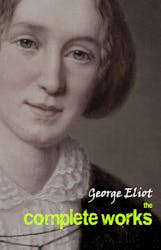
    The Complete Works of George Eliot

    George Eliot

  6. Les mieux notés
    4.8

    Middlemarch

    George Eliot

  7. Nouveau

    Romola

    George Eliot

  8. Nouveau
    3.6

    Silas Marner

    George Eliot

  9. Nouveau

    Felix Holt, the Radical

    George Eliot

  10. 50 Masterpieces you have to read before you die vol: 1

    Louisa May Alcott, Jane Austen, Honoré de Balzac, Henri Barbusse, Anne Brontë, Charlotte Brontë, Emily Brontë, Edgar Rice Burroughs, Samuel Butler, Lewis Carroll, Willa Cather, Miguel de Cervantes, Kate Chopin, John Cleland, Wilkie Collins, Joseph Conrad, Charles Dickens, Fyodor Dostoevsky, Alexandre Dumas, George Eliot, Ralph Waldo Emerson, Gustave Flaubert, E. M. Forster, H. Rider Haggard, Thomas Hardy, Nathaniel Hawthorne, Robert Heinlein, Victor Hugo, Aldous Huxley, Henry James, D. H. Lawrence, H.P. Lovecraft, Herman Melville, John Milton, Robert Musil, Vladimir Nabokov, George Orwell, Edgar Allan Poe, Marcel Proust, William Shakespeare, Mary Shelley, Leo Tolstoy

  11. George Eliot: The Complete Works

    George Eliot

  12. 100 Eternal Masterpieces of Literature [volume 1]

    Charles Dickens, Anne Brontë, Charlotte Brontë, Emily Brontë, Jane Austen, Edgar Rice Burroughs, Lewis Carroll, Miguel de Cervantes, Joseph Conrad, Fyodor Dostoyevsky, Arthur Conan Doyle, Alexandre Dumas, George Eliot, Aldous Huxley, Gustave Flaubert, Victor Hugo, Homer, E. M. Forster, Louisa May Alcott, Honoré de Balzac, Henri Barbusse, Theodore Dreiser, Johann Wolfgang Goethe