À propos de ce livre

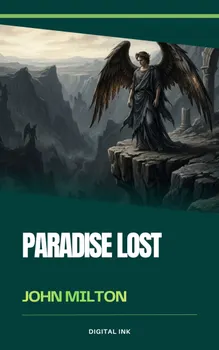
What happens when pride challenges divine authority and the desire for power changes the fate of humanity? Enter one of the greatest epic poems ever written, exploring rebellion, temptation, and the origins of human suffering.

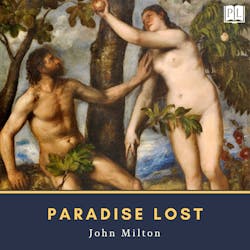
In Paradise Lost, John Milton retells the biblical story of Satan's rebellion against God, the war in Heaven, and the temptation of Adam and Eve in the Garden of Eden. Through powerful poetic language and dramatic imagery, Milton explores the fall of Satan, the creation of humanity, and the loss of Paradise. The poem raises profound questions about free will, obedience, ambition, justice, and the nature of good and evil.

A landmark of English literature, this extraordinary epic continues to captivate readers with its theological depth, imaginative storytelling, and timeless themes.

Experience John Milton's magnificent literary masterpiece and explore the story of humanity's fall. Get your copy today!
Commencez ce livre dès aujourd'hui pour 0 €

  • Accédez à tous les livres de l'app pendant la période d'essai
  • Sans engagement, annulez à tout moment
Essayer gratuitement
Plus de 52 000 personnes ont noté Nextory 5 étoiles sur l'App Store et Google Play.

Plus de John Milton

  1. Nouveau

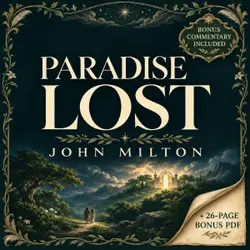
    Paradise Lost : The Complete Audiobook with an Introduction, In-Depth Bonus Commentary, and a 26-Page Companion Guide

    John Milton

  2. Nouveau

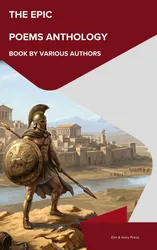
    The Epic Poems Anthology

    Homer, Virgil, Marcel Proust, John Milton

  3. Nouveau
    3.2

    Paradise Lost

    John Milton

  4. Nouveau

    50 Masterpieces you have to read before you die vol: 1

    Louisa May Alcott, Jane Austen, Honoré de Balzac, Henri Barbusse, Anne Brontë, Charlotte Brontë, Emily Brontë, Edgar Rice Burroughs, Samuel Butler, Lewis Carroll, Willa Cather, Miguel de Cervantes, Kate Chopin, John Cleland, Wilkie Collins, Joseph Conrad, Charles Dickens, Fyodor Dostoevsky, Alexandre Dumas, George Eliot, Ralph Waldo Emerson, Gustave Flaubert, E. M. Forster, H. Rider Haggard, Thomas Hardy, Nathaniel Hawthorne, Robert Heinlein, Victor Hugo, Aldous Huxley, Henry James, D. H. Lawrence, H.P. Lovecraft, Herman Melville, John Milton, Robert Musil, Vladimir Nabokov, George Orwell, Edgar Allan Poe, Marcel Proust, William Shakespeare, Mary Shelley, Leo Tolstoy

  5. Nouveau

    The Epic Poems Anthology

    Homer, Virgil, Marcel Proust, John Milton

  6. 50 Masterpieces you have to read before you die vol: 1

    Louisa May Alcott, Jane Austen, Honoré de Balzac, Henri Barbusse, Anne Brontë, Charlotte Brontë, Emily Brontë, Edgar Rice Burroughs, Samuel Butler, Lewis Carroll, Willa Cather, Miguel de Cervantes, Kate Chopin, John Cleland, Wilkie Collins, Joseph Conrad, Charles Dickens, Fyodor Dostoevsky, Alexandre Dumas, George Eliot, Ralph Waldo Emerson, Gustave Flaubert, E. M. Forster, H. Rider Haggard, Thomas Hardy, Nathaniel Hawthorne, Robert Heinlein, Victor Hugo, Aldous Huxley, Henry James, D. H. Lawrence, H.P. Lovecraft, Herman Melville, John Milton, Robert Musil, Vladimir Nabokov, George Orwell, Edgar Allan Poe, Marcel Proust, William Shakespeare, Mary Shelley, Leo Tolstoy

  7. 3.2

    Paradise Lost

    John Milton

  8. 3.2

    Paradise Lost

    John Milton

  9. 3.2

    Paradise Lost

    John Milton

  10. The Epic Poems Collection : Cinq chefs-d'oeuvre de la poesie epique occidentale

    Homer, Virgil, Dante Alighieri, William Shakespeare, John Milton

  11. 50 Masterpieces You Have to Read : Volume One - An Essential Library of World Literature

    Louisa May Alcott, Jane Austen, Honoré de Balzac, Henri Barbusse, Anne Brontë, Charlotte Brontë, Emily Brontë, Edgar Rice Burroughs, Samuel Butler, Lewis Carroll, Willa Cather, Miguel de Cervantes, Kate Chopin, John Cleland, Wilkie Collins, Joseph Conrad, Charles Dickens, Fyodor Dostoevsky, Alexandre Dumas, George Eliot, Ralph Waldo Emerson, Gustave Flaubert, E. M. Forster, H. Rider Haggard, Thomas Hardy, Nathaniel Hawthorne, Robert Heinlein, Victor Hugo, Aldous Huxley, Henry James, D. H. Lawrence, H.P. Lovecraft, Herman Melville, John Milton, Robert Musil, Vladimir Nabokov, George Orwell, Edgar Allan Poe, Marcel Proust, William Shakespeare, Mary Shelley, Leo Tolstoy