À propos de ce livre

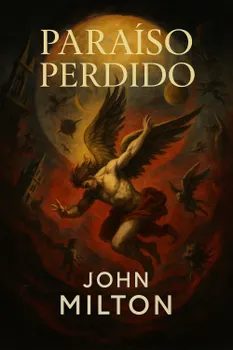
El paraíso perdido es una epopeya monumental donde John Milton reinterpreta el Génesis como una tragedia cósmica, enfrentando al lector con los límites del libre albedrío, la obediencia y la ambición. A través de un lenguaje solemne y visionario, Milton narra la rebelión de Lucifer, su caída desde los cielos y su venganza en forma de tentación a Adán y Eva. No se trata solo de un relato bíblico, sino de una profunda meditación sobre el orgullo, la pérdida y el precio de la conciencia.

El poema muestra un universo donde los ángeles debaten como estadistas, los demonios erigen imperios en las ruinas y la humanidad nace entre duda y deseo. Satanás, lejos de ser una figura plana, es retratado como el arquetipo del rebelde que prefiere reinar en el infierno antes que servir en el cielo. En ese conflicto nace una de las preguntas más poderosas de la literatura:

¿es la caída la verdadera forma de ascender?

Milton convierte el mito en experiencia humana: el lector no solo asiste a la caída del hombre, sino al descubrimiento de la responsabilidad. Es una obra sobre la dignidad de elegir, incluso cuando elegir implica perder.
Commencez ce livre dès aujourd'hui pour 0 €

  • Accédez à tous les livres de l'app pendant la période d'essai
  • Sans engagement, annulez à tout moment
Essayer gratuitement
Plus de 52 000 personnes ont noté Nextory 5 étoiles sur l'App Store et Google Play.

Livres similaires

Plus de John Milton

  1. Nouveau
    3.2

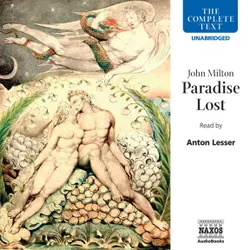
    Paradise Lost

    John Milton

  2. 3.2

    Paradise Lost

    John Milton

  3. Nouveau

    50 Masterpieces you have to read before you die vol: 1

    Louisa May Alcott, Jane Austen, Honoré de Balzac, Henri Barbusse, Anne Brontë, Charlotte Brontë, Emily Brontë, Edgar Rice Burroughs, Samuel Butler, Lewis Carroll, Willa Cather, Miguel de Cervantes, Kate Chopin, John Cleland, Wilkie Collins, Joseph Conrad, Charles Dickens, Fyodor Dostoevsky, Alexandre Dumas, George Eliot, Ralph Waldo Emerson, Gustave Flaubert, E. M. Forster, H. Rider Haggard, Thomas Hardy, Nathaniel Hawthorne, Robert Heinlein, Victor Hugo, Aldous Huxley, Henry James, D. H. Lawrence, H.P. Lovecraft, Herman Melville, John Milton, Robert Musil, Vladimir Nabokov, George Orwell, Edgar Allan Poe, Marcel Proust, William Shakespeare, Mary Shelley, Leo Tolstoy

  4. Nouveau

    The Epic Poems Anthology

    Homer, Virgil, Marcel Proust, John Milton

  5. Nouveau

    50 Masterpieces you have to read before you die vol: 1

    Louisa May Alcott, Jane Austen, Honoré de Balzac, Henri Barbusse, Anne Brontë, Charlotte Brontë, Emily Brontë, Edgar Rice Burroughs, Samuel Butler, Lewis Carroll, Willa Cather, Miguel de Cervantes, Kate Chopin, John Cleland, Wilkie Collins, Joseph Conrad, Charles Dickens, Fyodor Dostoevsky, Alexandre Dumas, George Eliot, Ralph Waldo Emerson, Gustave Flaubert, E. M. Forster, H. Rider Haggard, Thomas Hardy, Nathaniel Hawthorne, Robert Heinlein, Victor Hugo, Aldous Huxley, Henry James, D. H. Lawrence, H.P. Lovecraft, Herman Melville, John Milton, Robert Musil, Vladimir Nabokov, George Orwell, Edgar Allan Poe, Marcel Proust, William Shakespeare, Mary Shelley, Leo Tolstoy

  6. 3.2

    Paradise Lost

    John Milton

  7. 3.2

    Paradise Lost

    John Milton

  8. The Epic Poems Collection : Cinq chefs-d'oeuvre de la poesie epique occidentale

    Homer, Virgil, Dante Alighieri, William Shakespeare, John Milton

  9. 50 Masterpieces You Have to Read : Volume One - An Essential Library of World Literature

    Louisa May Alcott, Jane Austen, Honoré de Balzac, Henri Barbusse, Anne Brontë, Charlotte Brontë, Emily Brontë, Edgar Rice Burroughs, Samuel Butler, Lewis Carroll, Willa Cather, Miguel de Cervantes, Kate Chopin, John Cleland, Wilkie Collins, Joseph Conrad, Charles Dickens, Fyodor Dostoevsky, Alexandre Dumas, George Eliot, Ralph Waldo Emerson, Gustave Flaubert, E. M. Forster, H. Rider Haggard, Thomas Hardy, Nathaniel Hawthorne, Robert Heinlein, Victor Hugo, Aldous Huxley, Henry James, D. H. Lawrence, H.P. Lovecraft, Herman Melville, John Milton, Robert Musil, Vladimir Nabokov, George Orwell, Edgar Allan Poe, Marcel Proust, William Shakespeare, Mary Shelley, Leo Tolstoy

  10. Harvard Classics : The Five-Foot Shelf of Books

    Aesop, Dante Alighieri, Hans Christian Andersen, Augustine of Hippo, Marcus Aurelius, Jane Austen, Francis Bacon, Honoré de Balzac, Francis Beaumont, Bjørnstjerne Bjørnson, Thomas Browne, Robert Browning, John Bunyan, EDMUND BURKE, Robert Burns, Lord Byron, Thomas Carlyle, Benvenuto Cellini, Miguel de Cervantes, Marcus Tullius Cicero, Richard Henry Jr., Charles Darwin, Alphonse Daudet, Thomas Dekker, Charles Dickens, Fyodor Dostoevsky, John Dryden, Charles W. Eliot, George Eliot, Ralph Waldo Emerson, Epictetus, John Fletcher, Theodor Fontane, Benjamin Franklin, Johann Wolfgang Goethe, Oliver Goldsmith, Jacob Grimm, Edward Everett Hale, Bret Harte, Nathaniel Hawthorne, Homer, Victor Hugo, Washington Irving, Henry James, Ben Jonson, Gottfried Keller, Thomas à Kempis, Alexander L. Kielland, Martin Luther, Niccolò Machiavelli, Alessandro Manzoni, Christopher Marlowe, Philip Massinger, Guy De Maupassant, John Stuart Mill, John Milton, Thomas More, William Morris, Alfred de Musset, William Allan Neilson, William Penn, Plato, Pliny the Younger, Plutarch, George Sand, Percy Bysshe Shelley, Richard Brinsley Sheridan, Adam Smith, Laurence Sterne, Theodor Storm, William Makepeace Thackeray, Leo Tolstoy, Ivan Turgenev, Mark Twain, Juan Valera, Virgil, Izaak Walton, John Webster, John Woolman

  11. The Epic Poems Anthology

    Homer, Virgil, Marcel Proust, John Milton

  12. The Big Book of Christmas

    Hans Christian Andersen, Charles Dickens, Louisa May Alcott, Lucy Maud Montgomery, Anne Brontë, Willa Cather, G.K. Chesterton, F. Marion Crawford, Fyodor Dostoyevsky, Arthur Conan Doyle, Mary E. Freeman, The Brothers Grimm, Thomas Hardy, Nathaniel Hawthorne, O.Henry, E. T. Hoffmann, Washington Irving, James Joyce, Rudyard Kipling, H.P. Lovecraft, John Milton, Beatrix Potter, Arthur Thomas Quiller-Couch, Walter Scott, Robert Louis Stevenson, Harriet Beecher Stowe, Leo Tolstoy, Anthony Trollope, Mark Twain, Oscar Wilde, Anton Chekhov, L. Frank Baum, William Blake, Samuel Taylor Coleridge, Emily Dickinson, Henry Wadsworth Longfellow, Clement C. Moore, William Shakespeare, Andrew Lang