On a quiet residential street in Escondido, in northern San Diego County, a driveway doesn't look like a battlefield. It's concrete, bordered by lawn and shrubs, and most days, nearby residents walk across it without a second glance. However, in the early 2000s, a young biologist named Melissa Thomas knelt beside it and found something most of the neighbors had never noticed. Along one edge ran a thin, dark line of dead ants stretching across the pavement and into the grass on either side. When she described it years later, she could barely find a number big enough. "Dead bodies," she said. "Hundreds, hundreds of thousands. Hundreds of thousands of dead bodies."
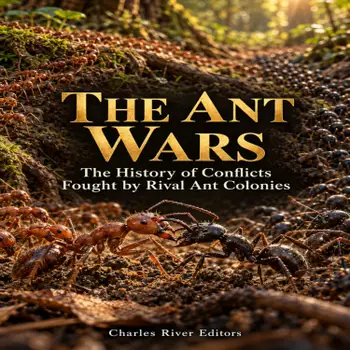
As it turned out, the line she was studying wasn't an accident of pesticide or weather. It was a battlefield. On one side lived ants from an immense colony that stretched hundreds of miles along the California coast, and on the other side were ants from a smaller colony centered near Lake Hodges, north of the city. They were the same species, the same size, and the same drab brown, yet every day, along that narrow strip, they met and tore each other apart. Over the course of six months, Thomas and her colleagues watched the borders of the Lake Hodges colony as the fighting killed at least 15 million worker ants. Their war had been going on, unseen, for decades, and as far as anyone can tell, it hasn't stopped since.
Ants have been fighting each other for more than 100 million years over food, territory, nest sites, and their neighbors' young. Some species stage elaborate tournaments that let rival colonies size each other up without bloodshed, while others raid their neighbors and carry off the young to raise as workers. Some march in armies hundreds of thousands strong, including some members of the colony that intentionally blow themselves up. Some carry their wounded home from the battlefield and tend their injuries. A few even absorb defeated enemies into their own ranks after the fighting ends.