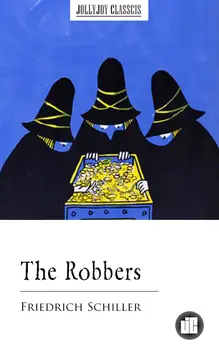
"The Robbers" tells the story of two brothers, Karl and Franz Moor, who take different paths in life. Karl, the younger brother, rebels against societal norms and forms a band of outlaws in the forest, becoming a notorious robber. Franz, the older brother, schemes to gain power and inheritance, ultimately becoming a corrupt and oppressive figure. The play explores themes of rebellion, injustice, idealism, and the struggle between good and evil. It delves into the psychological complexities of the characters, their motivations, and the societal forces that shape their actions. "The Robbers" also examines the contrast between individual freedom and societal constraints. Schiller's play broke with the conventions of the time, displaying elements of Sturm und Drang, a literary movement emphasizing emotional intensity and the rebellion against societal norms. It garnered both critical acclaim and controversy for its portrayal of anti-establishment themes and its exploration of the human condition. "The Robbers" had a significant impact on German theater and established Schiller as an important figure in German literature. It remains one of his most well-known works and is still performed and studied today.